Arriving in the United Kingdom by air is easier than ever, but it now involves more digital checks, new entry rules, and busier hubs than before the pandemic. Whether you are flying into London for the first time or connecting through Manchester or Edinburgh on your way to elsewhere in Europe, understanding how UK airports work will save you time, stress, and money. This guide brings together the latest practical information to help international travelers navigate the country’s major airports with confidence.
Understanding the UK’s Major International Gateways
Air travel to the United Kingdom is concentrated through a handful of large hubs that handle the bulk of international traffic. London Heathrow is by far the busiest airport in the country and one of the most connected hubs in the world, offering tens of thousands of potential international connections across more than two hundred destinations. Recent aviation data shows that Heathrow remains the United Kingdom’s primary global gateway, handling well over 80 million passengers a year and regularly setting new records for daily throughput.
Alongside Heathrow, London Gatwick, Manchester, and London Stansted form a second tier of major airports that give international travelers a wide choice of routes and airlines. Gatwick is a key base for European and long haul leisure services, while Manchester has grown rapidly with new routes to destinations such as India and North America. Stansted and Luton support large low cost networks that connect the UK with dozens of cities across Europe, North Africa, and the eastern Mediterranean, making them important entry points for budget conscious visitors.
Beyond these four, several regional airports play significant roles for specific markets. Edinburgh and Glasgow serve Scotland’s capital and largest city, Birmingham and Bristol provide access to England’s Midlands and southwest, and Belfast International is the main international gateway for Northern Ireland. Smaller airports such as London Southend, Bournemouth, and others have steadily rebuilt traffic with a focus on leisure destinations, offering alternatives to the main hubs for certain routes.
For international travelers, the practical impact is that there is rarely only one way to reach the United Kingdom. When planning your trip, consider not just the closest airport to your final destination, but also the connectivity, arrival time options, and transport links on offer. A flight into a slightly smaller airport with simpler ground transport and shorter queues can sometimes provide a smoother arrival than a marginally cheaper trip into a busier hub.
New Entry Rules, ETA Requirements, and Border Controls
Entry rules for visiting the United Kingdom have changed significantly in the last few years, and international travelers must now pay close attention to pre travel authorisations. A key development is the Electronic Travel Authorisation scheme, known as an ETA, which is being rolled out for visitors who previously could enter the UK without a visa for short stays. By early 2026, the scheme has become a core part of the border system, and the government has moved toward strict enforcement with a “no permission, no travel” approach for most visa exempt nationalities.
Under this system, many travelers from countries such as the United States, Canada, European Union member states, and a wide range of visa free partners are required to obtain digital permission before boarding a flight to the UK. The ETA is typically valid for multiple short visits over a period of up to two years or until the passport expires, whichever comes first. Although most applications are approved quickly, the authorities advise allowing up to three working days for processing in case additional checks are needed.
Some travelers do not need an ETA. British and Irish citizens are exempt, and people who already hold a valid UK visa or immigration status, such as residence permits or settled status, generally continue to rely on those permissions instead. However, rules around dual nationals have tightened, and British dual citizens are now strongly advised, and in certain circumstances effectively required, to travel with a British passport or formal proof of British citizenship in order to board flights back to the UK. The overall direction of policy is clear: you should expect that digital pre clearance will become a universal prerequisite for air travel to the country.
At the airport, this shift is most obvious during check in and boarding. Airlines are responsible for verifying that passengers hold the appropriate visas or ETAs before allowing them to travel. If your digital authorisation is missing or has expired, ground staff may not let you check in. To avoid problems, international visitors should apply well in advance, travel with the same passport used for the application, and keep a record of confirmation details readily accessible on a phone or printed document in case of any queries at the desk or departure gate.
Using UK ePassport Gates and Navigating Arrivals
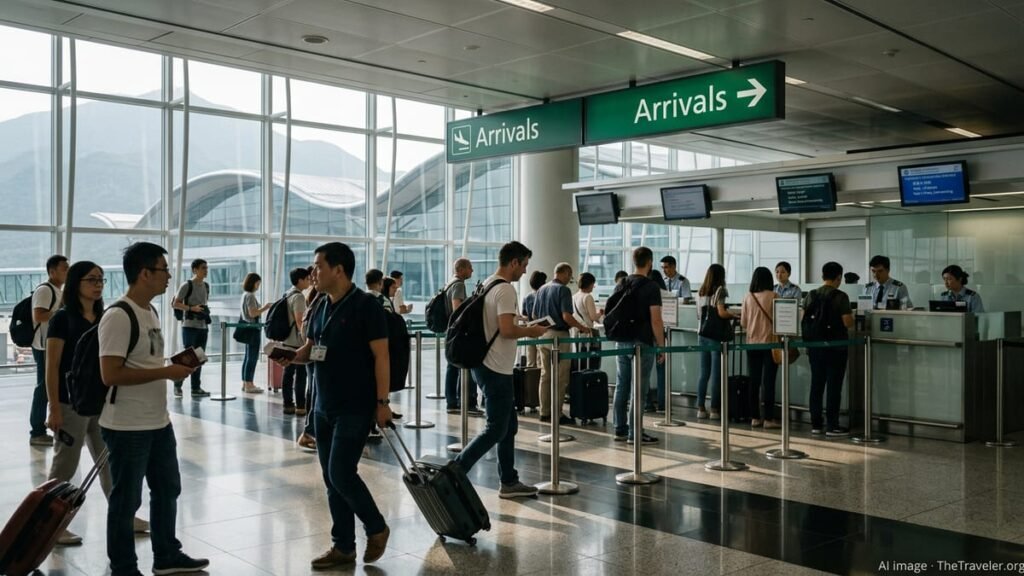
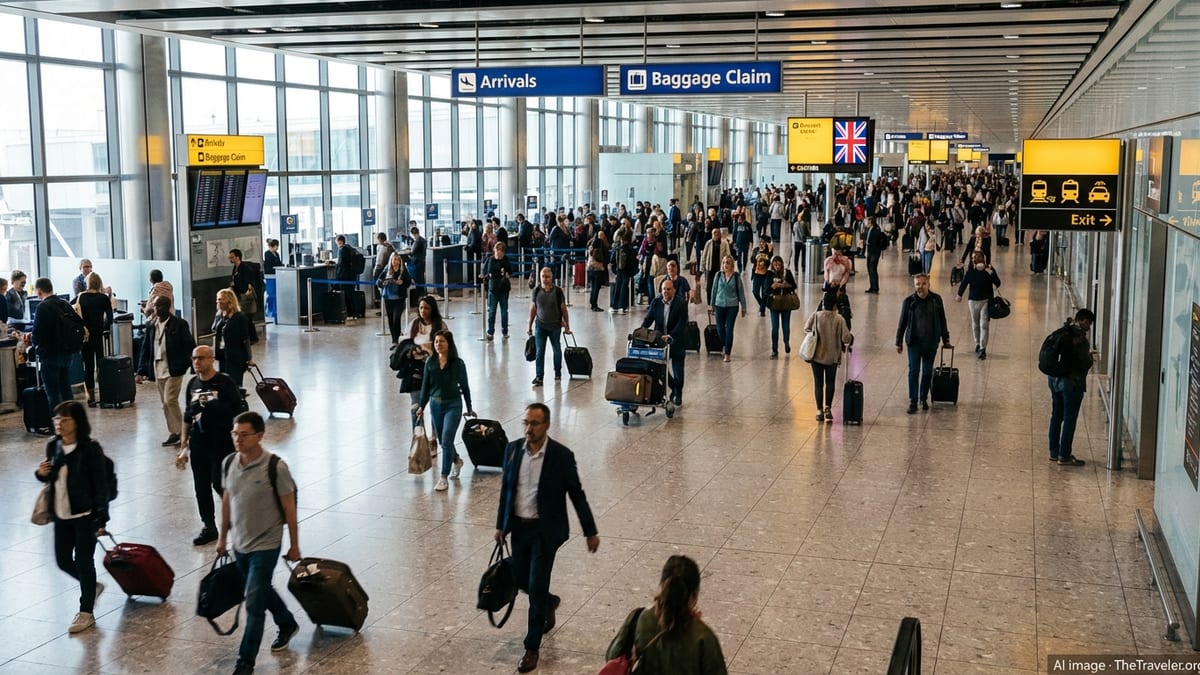
Once you land in the United Kingdom, your experience at passport control will depend on your nationality, the document you hold, and the facilities at the airport. The UK has invested heavily in automated ePassport gates, often called eGates, which are now installed at all major international airports, including Heathrow, Gatwick, Stansted, Luton, Manchester, Edinburgh, Birmingham, and several others. These gates are designed to speed up arrivals and help manage the increasing number of passengers flowing through the country’s terminals.
Eligibility for eGates has been expanded beyond British and Irish citizens to include many international travelers with biometric passports. Adults and older teenagers from a broad group of countries, such as those in the European Economic Area, Australia, Canada, Japan, New Zealand, Singapore, South Korea, and the United States, are commonly able to use eGates, provided they are arriving as visitors or on certain permitted statuses. Younger children and travelers from other nationalities are usually directed to see a Border Force officer in the staffed lanes. Eligibility criteria can evolve, so it is wise to check shortly before travel if you are unsure whether you qualify.
Using an eGate is straightforward. On entering the arrivals hall, follow signs for “ePassport gates” and have your passport open at the photo page. You place the document on the scanner, step into the gate, and look straight ahead while a camera verifies your facial biometrics. If the system successfully matches your face to the passport chip and confirms your permission to enter, the second barrier opens and you can proceed to baggage reclaim. If the gate rejects your document or flags a query, it will remain closed and you will be directed to an officer for manual processing.
Travelers who cannot use eGates should still prepare for a relatively efficient process compared with previous years, but queue times vary significantly by airport and time of day. Busy arrival banks, such as early morning long haul flights into Heathrow or late evening European arrivals at Stansted, can lead to longer waits. To ease your passage, ensure you have fully completed any landing or customs declarations, keep supporting documents for your visit easily accessible, and be ready to explain your plans clearly if asked. A calm, prepared approach at the front of the line usually leads to a quick and uneventful entry.
Terminals, Transfers, and Making Flight Connections
The United Kingdom’s larger airports operate multiple terminals, each with its own security channels, airline allocations, and connection routes. Heathrow, for example, typically uses four active terminals, with different airlines grouped by alliance or region. Gatwick divides flights between its North and South Terminals, while Manchester currently operates three passenger terminals serving a mix of full service and low cost carriers. When booking tickets, especially itineraries that involve a change of planes in the UK, it is important to note both your arrival and departure terminals and the minimum connection times recommended by your airline.
Same airport transfers within the UK are usually well signposted and managed, but the details matter. If your connection is on a single through ticket, your checked baggage is often transferred automatically and you may be able to follow special “flight connections” signs that keep you in the secure area. In those cases, you still pass through security screening again in the transfer facility, but you may not have to clear UK border control if you are remaining airside and your final destination is outside the country. For separate tickets or changes between airlines that do not interline, you should assume that you will need to enter the UK, collect bags, and check in again from scratch.
Transfers between airports are more demanding and should be approached with caution. Some travelers arriving on long haul flights into Heathrow choose to continue their journey from Gatwick, Stansted, or Luton, while others might connect between London and regional hubs such as Birmingham or Bristol. These connections rely on trains, coaches, or private transfers that are susceptible to traffic delays and operational disruptions. If you must change airports, plan several hours of buffer time between flights and avoid tight schedules. For many international travelers, paying slightly more for a single air ticket that keeps you at one airport is worth the reduced stress.
When planning connections, remember that UK airports have become busier, not only in terms of passenger numbers but also in the volume of security, passport, and baggage processes. This means that what looked like a comfortable layover on paper a few years ago can now feel much tighter in practice. Aim for conservative connection times, allow extra margin for disruptions, and keep essentials like medicines, chargers, and a change of clothes in your carry on in case a tight transfer leads to delayed baggage.
Security, Liquids, and Airport Procedures
Security screening in UK airports follows broadly similar principles to other major hubs in Europe and North America, but there are subtle differences that international travelers should understand. Liquids, aerosols, and gels in hand luggage are still generally restricted to containers of 100 millilitres or less, all of which must usually fit inside a single transparent resealable bag of limited size. Laptops and larger electronic devices are often required to be removed from bags and placed separately in trays. However, some terminals have introduced upgraded scanning equipment that can allow more items to remain inside luggage, so you may notice variations between airports or even between checkpoints in the same building.
The UK government has announced modernisation plans that would eventually relax the strictest liquid rules where new scanning technology is fully deployed, but the rollout has been gradual and uneven. As a result, international travelers should continue to pack as if the traditional rules still apply. That means limiting carry on liquids to small containers, separating them into the provided plastic bags, and being ready to take out laptops and tablets when prompted. Treat any more relaxed arrangements you encounter as a bonus rather than a guarantee.
Other aspects of security are familiar but worth planning for. Metal belts, watches, and larger jewellery items may trigger walk through scanners, while random secondary searches are common during busy periods. Travelers wearing bulky layers, boots, or lots of accessories should expect a few extra moments at the checkpoint. To move through quickly, store wallets, phones, and keys in your bag before reaching the trays, and follow staff instructions closely. Security officers at UK airports are trained to move large volumes of passengers efficiently, but they place priority on safety and will not rush procedures if something appears unclear on the scanner.
After security, you will typically pass into a central departures hall lined with shops, cafes, and seating areas. These zones can become crowded, particularly at peak times in the early morning and late afternoon. Gate numbers for flights are sometimes posted relatively late, especially at Heathrow and Gatwick, where aircraft may change stands at short notice. Keep an eye on departure boards, listen for announcements, and avoid straying too far from the central area until your gate is confirmed. Boarding can begin earlier than you expect for long haul flights, and walking distances to remote stands may be longer than they appear on simple terminal maps.
Transport Links from UK Airports into the City
For most international travelers, the journey only truly starts after leaving the airport. The United Kingdom’s major airports are generally well connected to nearby cities by a mix of trains, coaches, buses, and road links, but the fastest option is not always the best value. Understanding the main choices at each airport can help you balance cost, speed, and convenience when planning your arrival and departure.
In the London area, Heathrow is linked to the city by both express and stopping rail services, along with London Underground lines and numerous bus and coach routes. Gatwick and Stansted have direct train connections to central stations as well as express coaches to different parts of the capital, while Luton is served by a combination of rail and shuttle bus links to nearby train stations. These rail services are convenient but can be relatively expensive, particularly at peak times or when bought on the day. Advance booking often secures better fares, and groups or families may find that pre booked car services or rideshares become competitive once the cost is split among several travelers.
Outside London, airports such as Manchester, Birmingham, Edinburgh, Glasgow, and Bristol usually have integrated rail or tram links and well developed bus networks. Manchester Airport, for instance, is connected directly to the national rail system and local tram services, providing fast access to the city centre and other destinations across northern England. In Scotland, Edinburgh Airport’s tram and express buses carry visitors into the city in under half an hour in normal traffic. These systems are designed with tourists in mind, and staff at airport transport desks are accustomed to answering questions from first time visitors.
Taxis and app based ride services are widely available at major UK airports, but regulations and pricing models can differ between locations. Official airport taxis normally operate from signed ranks and may use fixed zone based tariffs or metered fares. Private hire vehicles booked in advance often meet passengers at designated collection points and can be particularly good value for families with substantial luggage. If you are arriving after a long flight, pre arranging a transfer can reduce uncertainty, but be sure to use reputable operators and confirm pick up details before boarding your plane.
Regional Airports, Low Cost Carriers, and Alternative Routes
Although most international traffic flows through Heathrow, Gatwick, Manchester, and Stansted, regional airports across the United Kingdom have become increasingly important gateways for specific markets and budget travel. Carriers specialising in low cost point to point routes use these airports to operate direct flights between smaller cities in Europe and holiday destinations around the Mediterranean, the Canary Islands, and North Africa. For international travelers who are flexible with itineraries, these routes can provide unexpectedly convenient alternatives to traditional hub based journeys.
In Scotland, Edinburgh and Glasgow host a mix of full service and low cost airlines that connect the region not only to London but also to mainland Europe, North America, and the Middle East on a seasonal or year round basis. In England’s regions, airports such as Birmingham, Bristol, Leeds Bradford, Newcastle, and others link the surrounding catchment areas to popular sun destinations, city break favourites, and some long haul routes. Northern Ireland’s main international airport outside Belfast has also rebuilt passenger numbers with a focus on European leisure traffic.
Smaller airports around London, including Southend, have attracted a growing number of services to European beach and city destinations as demand rebounds. These airports often offer a more compact and relaxed experience than the largest hubs, with shorter walking distances and, in many cases, quicker security and boarding processes. However, transport connections into central London or other major cities may be less frequent or require changes, so travelers should weigh the trade off between a calmer terminal and the time needed to complete onward travel.
For visitors planning multi city trips within the UK and Europe, considering regional airports can unlock better value and more varied routes. It is sometimes cheaper and faster, for example, to fly directly from a European city into a regional UK airport close to your planned first stop than to connect through Heathrow and then take a domestic flight or long ground journey. When comparing options, factor in all components of the trip, including baggage fees on low cost carriers, transfer times, and any overnight stays needed to make early morning departures possible.
The Takeaway
Airports in the United Kingdom are busier and more technologically advanced than ever, with digital entry permissions, automated ePassport gates, and major infrastructure projects reshaping how passengers move through terminals. For international travelers, this means more choice of routes and connections, but also a greater need to prepare in advance. Understanding ETA requirements, confirming terminal details, and building extra time into your itinerary can dramatically reduce the risk of missed flights, stressful queues, and unexpected costs.
At the same time, the fundamentals of smooth travel remain unchanged. Arrive early for departures, pack hand luggage in line with security rules, keep travel documents organised, and stay alert to announcements in the terminal. Use express rail links when speed matters most, but explore buses, coaches, and shared transfers when cost is a priority. Consider whether a regional airport might serve your needs more directly than the largest hubs, and do not hesitate to ask airport staff for help when navigating unfamiliar layouts.
With a little planning and an understanding of how UK airports now operate, your arrival and departure can become straightforward parts of your journey rather than sources of anxiety. The country’s airports are designed to welcome millions of visitors each year, and by working with their systems rather than against them, international travelers can focus on what matters most: enjoying their time in the United Kingdom and beyond.
FAQ
Q1. Do I need an Electronic Travel Authorisation to fly to the UK?
An ETA is now required for most visitors who previously did not need a visa for short stays, such as many travelers from Europe, North America, and other visa exempt countries, while British and Irish citizens and those with valid UK visas or residence status are generally exempt.
Q2. How far in advance should I apply for my UK ETA?
Although many applications are approved within minutes, the authorities advise allowing up to three working days in case additional security checks are needed, so it is safest to apply before booking or at least well before your departure date.
Q3. Can I use UK ePassport gates as a non British traveler?
Many visitors with biometric passports from eligible countries, including several European states and partners such as the United States, Canada, Australia, and others, can use ePassport gates, but age limits and eligibility lists apply, so you should confirm your status before travel.
Q4. Will I have to collect my bags during a connection in the UK?
If your flights are on a single through ticket and your baggage is tagged to your final destination, it will usually be transferred automatically, but on separate tickets or between airlines that do not interline, you should expect to clear immigration, collect bags, and check in again.
Q5. Are the 100 millilitre liquid rules still in force at UK airports?
Yes, travelers should assume that standard liquid restrictions remain in place and pack hand luggage accordingly, even though some terminals have introduced new scanners that allow slightly more flexible arrangements in certain lanes.
Q6. What is the best way to get from Heathrow Airport to central London?
Heathrow offers a choice of express and stopping rail services, London Underground connections, and buses or coaches, with the fastest trains taking around a quarter of an hour and slower options providing cheaper travel at the cost of a longer journey.
Q7. Are UK airports open 24 hours a day?
Runway operations and terminal access vary by airport, but major hubs generally operate around the clock, while some regional airports close for a few hours overnight or limit late night departures and arrivals, so travelers should check specific opening times when booking very early or late flights.
Q8. Is it safe to sleep in a UK airport during a long layover?
Security staff patrol terminals regularly and many passengers rest between flights, but facilities and comfort levels differ, so if you plan an overnight stay, choose a well lit area, keep valuables secure, and consider a nearby hotel for greater comfort and privacy.
Q9. How early should I arrive at the airport before my flight from the UK?
For international departures, most airlines recommend arriving at least two to three hours before scheduled departure, and during peak holiday periods or from very busy hubs it is sensible to allow extra time for check in, bag drop, security, and walking to distant gates.
Q10. Can I transfer between London airports for a connecting flight on the same day?
Same day transfers between London airports are possible using trains, coaches, or private transport, but traffic and rail disruptions can cause delays, so you should allow generous buffer time and consider a single ticket that keeps you at one airport where feasible.