The United Kingdom is moving into a new phase of tourism-led growth, with fresh data on arrivals, spending and investment suggesting the country is on the brink of a travel boom that could reshape its visitor economy and recalibrate global tourism flows.
Get the latest news straight to your inbox!
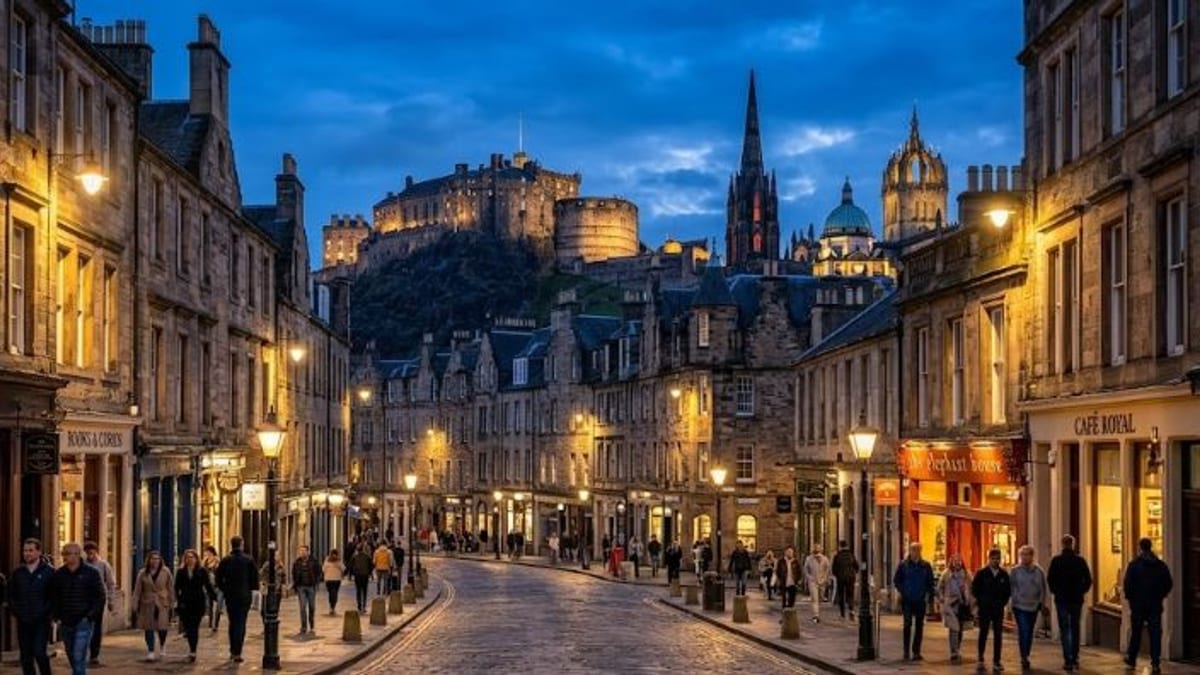
Image by Latest International / Global Travel News, Breaking World Travel News
Visitor Numbers Surge As UK Targets Tens of Millions More Arrivals
Recent forecasts from national tourism bodies point to a decisive rebound in inbound travel to the United Kingdom, with the trajectory now moving well beyond recovery and into expansion. VisitBritain’s latest outlook for the mid-2020s indicates that overseas visits are expected to rise toward the mid-40 million range annually within the next few years, with estimates of around 43.6 million inbound visits in 2025 alone. Publicly available information shows that this would push the UK close to, and in some measures above, its previous 2019 high-water mark for international arrivals.
The direction of travel has been visible since 2023, when UK statistics agency data recorded 37.8 million overseas visits, or around 92 percent of 2019 levels, alongside a double-digit rise in spending compared with the previous year. By 2024 and early 2025, Office for National Statistics releases indicated that both visit volumes and nights spent in the country continued climbing, with Europe-wide tourism rankings placing the UK among the region’s highest earners from international visitors.
In parallel, government ambitions have hardened around using this momentum to drive a more transformational boom. The Department for Culture, Media and Sport has articulated a goal of reaching 50 million annual inbound visits over the longer term, positioning tourism as a central lever in wider economic growth plans. Policy papers describe tourism as a sector worth tens of billions of pounds in gross value added, with significant headroom if the country can lengthen stays, push more trips into the shoulder seasons and spread visitors beyond traditional hotspots.
Industry groups argue that if these targets are met or exceeded, the UK’s share of global tourism could rise even as competition intensifies from Mediterranean destinations and long-haul markets. Analysts point out that a higher baseline of international arrivals, combined with a focus on premium experiences and cultural attractions, is likely to tilt the UK further up the global league tables for visitor spending rather than merely raw footfall.
Inbound Spending Set To Hit New Highs As Travel Mix Shifts Upmarket
Spending trends suggest that the coming boom will be defined less by volume tourism and more by high-value travel. VisitBritain data for 2023 shows inbound visitor expenditure of roughly £31 billion, up sharply on 2022 and approaching, in nominal terms, the previous 2019 peak. Subsequent forecasts for 2024 and 2025 point to further gains, with international visitors expected to spend more than £32 billion annually and potentially in excess of £33 billion in 2025, even before accounting for domestic tourism.
Industry reviews highlight several drivers behind this surge. A strong rebound in long-haul markets, particularly North America, has been visible in Scotland and other parts of the UK, where international visitor numbers are already exceeding pre-pandemic levels. These travellers typically stay longer and spend more per trip, boosting total receipts and supporting higher yields for hotels, attractions and restaurants. At the same time, the return of major events and cultural programming is stimulating city-break demand and lifting average daily spending in urban centres.
There are headwinds, including the loss of tax-free shopping for many overseas visitors and persistent cost-of-living pressures. Analysis by business groups and financial media has pointed to a relative softening in designer retail sales from non-EU tourists since the withdrawal of VAT-free schemes. Even so, broader tourism expenditure on accommodation, dining, live entertainment and experiences has continued to climb, suggesting that the overall value proposition of a UK trip remains compelling for many higher-spending segments.
Consultancies tracking travel economics suggest that if current growth rates hold, inbound tourism receipts could move substantially beyond previous records by the late 2020s. That would cement the UK’s status as one of the world’s largest tourism earners, with visitor spending playing a critical role in regional development, job creation and fiscal revenues across England, Scotland, Wales and Northern Ireland.
Hotels, Cities And Regions Ride A Wave Of Investment
The clearest on-the-ground signal of confidence in the UK’s tourism boom is evident in its hotel market. Research from property advisors covering 2024 shows that average occupancy in London hotels has returned to around 82 percent, roughly in line with 2019, while room rates remain elevated compared with pre-pandemic benchmarks. Reports indicate that major live music tours, expanded conference calendars and resurging international demand are keeping city-centre properties near capacity through much of the year.
Beyond the capital, regional destinations are experiencing their own upturn. Market analysis cited by hotel trade publications notes that cities such as Edinburgh, Bath and other heritage centres are seeing robust performance, with occupancy commonly in the mid-60 to 70 percent range and revenue per available room rising in step. A surge in portfolio deals and high-value single-asset transactions in 2024 pushed UK hotel investment to a five-year high of around £6.6 billion, with both London and key regional cities attracting capital.
Urban planners and tourism strategists are attempting to harness this energy while managing pressure on infrastructure and communities. London’s Visitor Experience Strategy, part of the capital’s 2030 tourism vision, sets out priorities to spread visitor flows across neighbourhoods, improve wayfinding, and support greener transport options. Other cities and combined authorities are working on their own visitor economy frameworks, often tying tourism to broader regeneration plans around waterfronts, cultural quarters and former industrial districts.
In the nations and regions, targeted initiatives are emerging that aim to transform local economies through visitor spending. The North East of England and parts of the Midlands have secured Destination Development Partnership funding designed to coordinate marketing, product development and skills investment. In Scotland, tourism is now estimated to contribute more than £10 billion a year to the economy, with international visitors alone spending several billion pounds annually and underpinning jobs from the Highlands to the central belt.
National Strategy Aims To Turn Recovery Into A Structural Boom
Central to the narrative of a UK tourism boom is an evolving policy framework that treats the visitor economy as a strategic industry. Government announcements over the past two years describe tourism as a sector worth in the region of £70 billion to £80 billion in direct economic output, accounting for roughly 4 percent of gross value added. Alongside that, tourism supports hundreds of thousands of jobs across accommodation, food service, transport, culture and retail.
To translate cyclical recovery into a long-term structural upswing, ministers and national tourism agencies are working on a National Visitor Economy Strategy. Early indications from public briefings suggest that the plan will focus on three main priorities: boosting productivity and skills in tourism businesses, improving the quality and international visibility of the UK’s tourism offer, and supporting sustainable growth that respects local communities and environmental limits.
On the ground, this strategic approach is being implemented through new models of collaboration. The Local Visitor Economy Partnership programme in England is reshaping traditional tourist boards into larger, more data-driven destination management bodies that can work across local authority boundaries. These partnerships are tasked with aligning tourism with transport, housing and cultural investment, while also using digital tools to understand visitor behaviour and smooth peaks in demand.
Business groups, including national chambers of commerce, broadly support the direction of travel but warn of persistent challenges such as workforce shortages, visa processing times and the need for competitive fiscal incentives. Their research argues that resolving these constraints could unlock many more billions of pounds in visitor spending over the next decade, especially if the UK can capture a larger share of fast-growing middle-class markets in Asia, the Gulf and the Americas.
Global Context: How A UK Surge Could Reshape Tourism Flows
The emerging UK tourism boom is unfolding against a backdrop of intense international competition for travellers. United Nations World Tourism Organization data for 2024 shows that Europe remains the world’s busiest tourism region, with international arrivals climbing into the hundreds of millions and receipts growing accordingly. Traditional sun destinations in Southern Europe, as well as city hubs in France and Italy, have already set new records for arrivals and overnight stays.
Analysts note that the UK’s comparative advantage lies not in low-cost mass tourism but in a combination of cultural heritage, global events, creative industries and higher-end urban experiences. London is widely ranked among the world’s most visited cities and, according to travel industry estimates, now offers well over 120,000 hotel rooms following a wave of openings in 2023 and 2024. Additional pipeline projects are set to add thousands more rooms, alongside new attractions, food districts and cultural venues.
At the same time, secondary cities and rural regions are positioning themselves as beneficiaries of future growth. From coastal tourism in Wales and the south-west of England to outdoor adventures in the Scottish Highlands and Northern Ireland’s screen tourism routes, destinations are marketing distinctive niches rather than competing solely on price. This diversification could help the UK secure a larger slice of categories such as experiential travel, film and TV tourism, and sustainable nature-based holidays.
If current projections hold, the next phase of UK tourism growth will see both arrivals and per-trip spending rise in tandem, lifting total receipts to unprecedented levels. In the global tourism marketplace, that would shift the UK further up the rankings of top-earning destinations and potentially influence airline capacity, investment patterns and traveller itineraries worldwide. For policymakers and industry leaders, the challenge will be to channel this boom into resilient, inclusive and sustainable growth that benefits residents as much as visitors.