Published on
January 7, 2026

As we approach 2026, the Balearic Islands are gearing up for another busy year of international tourism. Among the most significant contributors to the islands’ tourism economy are travelers from the United Kingdom and Germany. These two countries, along with domestic tourism, are set to continue as the largest source markets for visitors to the Balearic Islands in the year ahead. However, recent data suggests that while the core flows remain steady, changes in consumer behavior are becoming evident. Economic pressures are beginning to influence the length of holidays and spending habits, leading to a shift in the types of experiences tourists are seeking.
In this article, we explore these evolving trends and what they mean for the tourism sector of the Balearic Islands, a destination known for its sun-soaked beaches, lively resorts, and rich cultural offerings. With a clearer understanding of these shifts, local businesses and tourism operators are better prepared to adapt to the changing preferences of their key tourist demographics.
A Stable Core Market: British and German Tourists
Tourism to the Balearic Islands has long been dominated by British and German travelers, with the islands being among the top European destinations for both nationalities. The United Kingdom’s proximity to the Balearics, combined with its widespread reputation for holidaying in sun-drenched locales, continues to make it a major market. Similarly, German tourists, known for their preference for well-organized and relaxed vacations, have long favored Mallorca, Ibiza, Menorca, and Formentera as ideal vacation spots.
The 2026 tourism season is expected to reflect this continued dominance of British and German visitors. The islands’ appeal as an affordable yet high-quality destination for short getaways and longer stays alike will continue to attract travelers from both countries. While these markets remain stable, the number of flights and availability of accommodations remain strong, allowing easy access to the islands.
Economic Pressures Influence Length of Holidays and Spending
One of the most noticeable shifts in the travel behavior of British and German tourists in 2026 is the impact of economic pressures on the length of their holidays and their spending patterns. With inflation and other economic factors affecting disposable income, tourists from both the UK and Germany are beginning to shorten the duration of their trips and reduce their overall spending.
Where once it was common for British and German visitors to indulge in longer stays, especially in the case of families or group vacations, 2026 sees a rise in shorter, more budget-conscious trips. For instance, many travelers are now opting for weekend breaks or extended weekends rather than full-week vacations. This shift reflects a growing preference for value-driven travel, where tourists prioritize affordability and experiences that give them the most value for their money.
In terms of spending, luxury expenses are on the decline, while mid-range options such as more affordable hotels, dining, and excursions are seeing a rise in demand. Tourists are choosing experiences that focus on local culture, outdoor activities, and nature-based experiences over extravagant experiences like upscale shopping or fine dining. These changes are influencing the kinds of services and experiences that businesses in the Balearic Islands must offer to remain attractive to these key tourist groups.
Rising Demand for Local Experiences and Nature-Based Activities
While traditional beach holidays remain a top attraction in the Balearic Islands, there is an increasing interest in local experiences and outdoor activities among British and German visitors. Travelers are increasingly seeking experiences that allow them to immerse themselves in the local culture, food, and nature. For example, tours that showcase the island’s heritage, such as vineyard visits or traditional culinary experiences, are becoming increasingly popular.
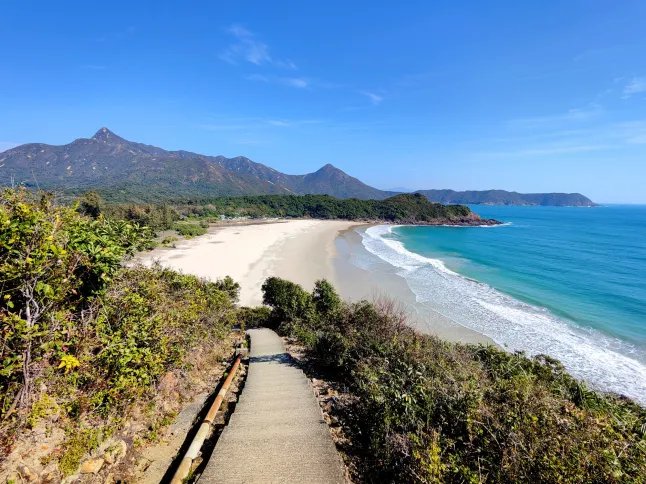
Moreover, nature-based activities like hiking, cycling, and eco-tourism are seeing a boost in popularity. The natural beauty of the Balearic Islands, with its lush mountains, hidden coves, and pristine beaches, provides a perfect backdrop for these experiences. Travelers are seeking ways to connect with the environment more sustainably, making eco-friendly tourism initiatives more attractive than ever before.
Adventure tourism is also on the rise, with British and German tourists opting for more active vacation experiences such as water sports, sailing, and kayaking. These activities not only appeal to younger generations but also to families looking for more engaging and dynamic ways to spend their time together.
How Tourism Operators in the Balearic Islands Are Adapting
With these shifts in tourist behavior, the Balearic tourism industry is adapting to better meet the needs and preferences of visitors. Hotels and resorts are rethinking their offerings to cater to shorter stays and more budget-conscious travelers. New packages and promotions that offer value for money, such as all-inclusive deals for shorter stays or more flexible booking options, are becoming increasingly popular.
Tour operators are also diversifying their offerings to cater to the growing demand for local and nature-based experiences. Hiking tours, cooking classes, and wine-tasting events are being incorporated into packages to create more holistic and immersive travel experiences. At the same time, sustainable travel options, such as electric car rentals, eco-friendly tours, and green hotels, are becoming more common in response to travelers’ desire to reduce their environmental impact.
Impact of Domestic Tourism on the Balearic Islands
While British and German tourists continue to be the largest international markets for the Balearic Islands, domestic tourism is also becoming an increasingly important source of visitors. Spanish nationals, particularly from mainland Spain, are traveling more to the Balearics, especially during the off-season. This growing trend has led to an uptick in tourism activity throughout the year, helping to maintain a steady flow of visitors even when international tourists are less prevalent.
Conclusion: Preparing for an Evolving 2026 Tourism Landscape
The Balearic Islands are facing a changing tourism landscape in 2026, with shifts in the behavior of key markets like the UK and Germany. While the destination continues to be popular among these tourists, the trend toward shorter stays and more budget-conscious travel is clear. By focusing on offering value-driven experiences, local culture, and nature-based activities, the islands will remain a top destination for international and domestic travelers alike.
As the Balearic Islands adapt to these changing dynamics, the future of tourism looks promising. Tourists will continue to flock to the islands for their stunning landscapes, rich culture, and unique experiences, making 2026 another exciting year for travel in this Mediterranean paradise.