Got story updates? Submit your updates here. ›
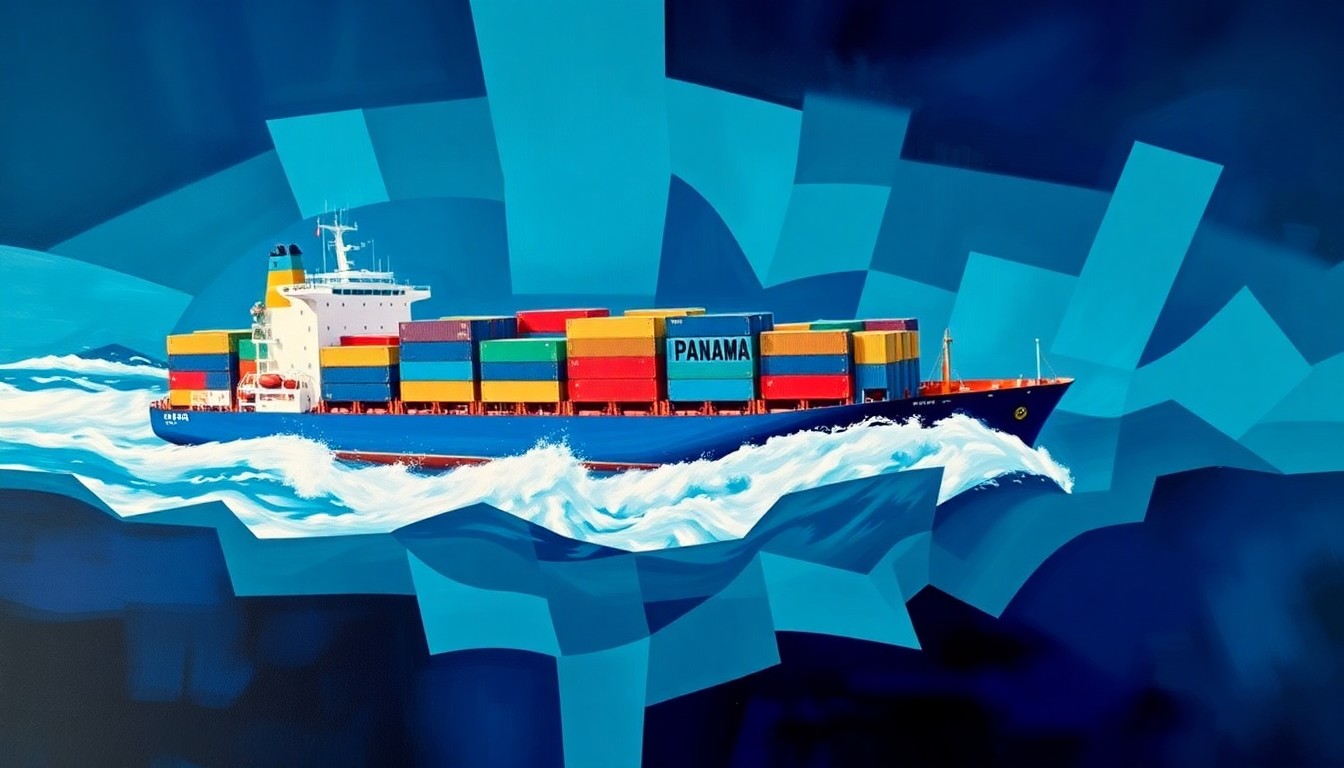 Tensions escalate as China’s detention of Panama-flagged ships threatens global trade and regional sovereignty.Washington Today
U.S. Secretary of State Marco Rubio has accused the Chinese government of using economic pressure tactics after dozens of Panama-flagged vessels were detained or delayed at Chinese ports, raising concerns about global trade disruptions and geopolitical tensions surrounding the Panama Canal.
Why it matters
The dispute highlights the geopolitical significance of the Panama Canal, a vital maritime corridor that handles roughly 5% of global trade. The U.S. and China are engaged in an ongoing battle for influence over the strategic waterway, with the latest incident seen as a potential threat to international trade stability and regional sovereignty.
The details
The tensions come after Panama moved earlier this year to take control of two key canal ports from a subsidiary of CK Hutchison Holdings, a Hong Kong-based firm. U.S. regulators say the number of Panama-flagged ships detained in China has risen sharply in recent months, with 92 out of 124 vessels detained for inspection in Chinese ports in March. The Federal Maritime Commission warned that such actions could have serious implications for global shipping and U.S. trade interests.
- In January, Panama’s Supreme Court ruled that CK Hutchison’s long-standing concession to operate the ports was unconstitutional.
- In March, 92 out of 124 vessels detained for inspection in Chinese ports were registered under Panama’s flag.
The players
Marco Rubio
U.S. Secretary of State who accused the Chinese government of using economic pressure tactics against Panama.
CK Hutchison Holdings
A Hong Kong-based firm that previously operated two key Panama Canal ports under a long-standing concession, which was ruled unconstitutional by Panama’s Supreme Court.
Panama
The country that moved to take control of two key canal ports from CK Hutchison Holdings, leading to a dispute with China over the detention of Panama-flagged ships.
Laura DiBella
Chair of the Federal Maritime Commission, who described the detentions of Panama-flagged ships in China as unusual and warned of serious implications for global shipping and U.S. trade interests.
What they’re saying
“China’s decision to detain or otherwise impede Panama-flagged vessels engaged in lawful trade destabilizes supply chains, raises costs, and erodes confidence in the global trading system.”
— Marco Rubio, U.S. Secretary of State
“The detentions are unusual, and the commission is not aware of any recent precedent where vessel inspections were conducted in what appears to be a punitive manner.”
— Laura DiBella, Chair, Federal Maritime Commission
What’s next
U.S. officials have indicated they are prepared to deepen economic and security cooperation with Panama in response to the ongoing dispute with China over the Panama Canal ports.
The takeaway
The dispute over the Panama Canal ports highlights the geopolitical tensions between the U.S. and China, with both countries vying for influence over this strategic maritime corridor. The detention of Panama-flagged ships in China is seen as a potential threat to global trade stability and regional sovereignty, underscoring the high stakes involved in this ongoing conflict.