March 16, 2026, 4:02 a.m. ET
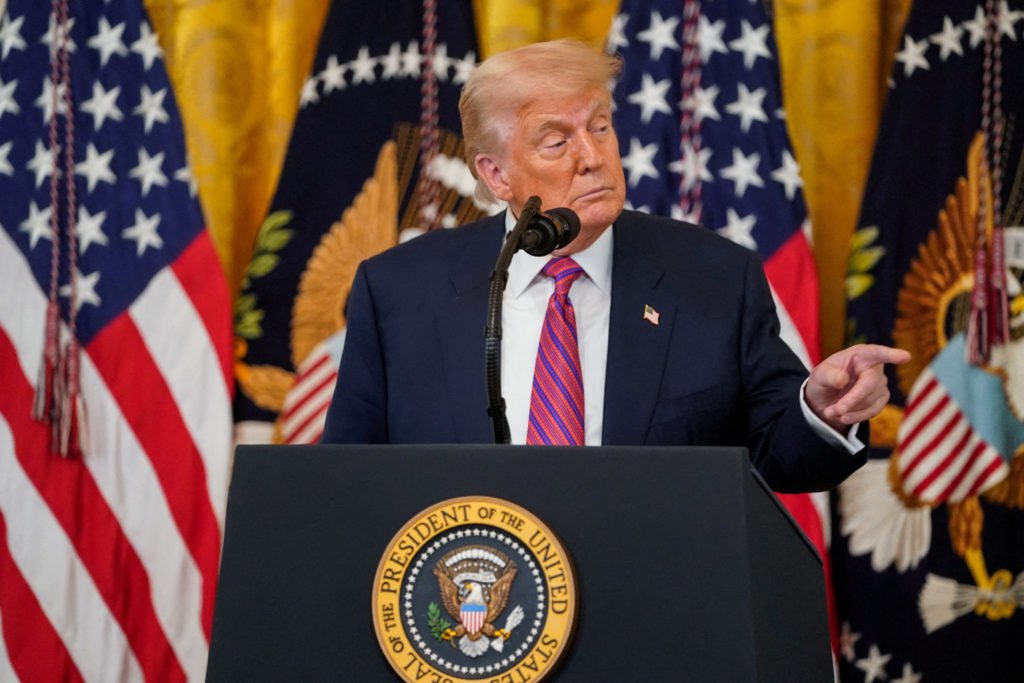
I don’t have any serious issue with the Trump administration’s actions in Iran. Immediately following our initial strikes, I wrote that the actions should have gone through Congress, but that I generally support military action against Iran, and I stand by my view.
However, it is rather interesting that the president who promised no new wars has taken new military action against two nations, Venezuela and Iran, less than halfway through his second four-year term.
These actions are surely uncomfortable for Vice President JD Vance, a true believer of isolationism compared with President Donald Trump, who preys upon the populist constituency of the right. The administration’s involvement in Iran poses both an opportunity and a liability for Vance’s presidential aspirations.
Trump’s foreign policy poses problems for Vance

Trump invoked the rhetoric of isolationism on the reelection campaign trail, promising no new wars to MAGA voters who rallied around that aspect of the “America First” brand.
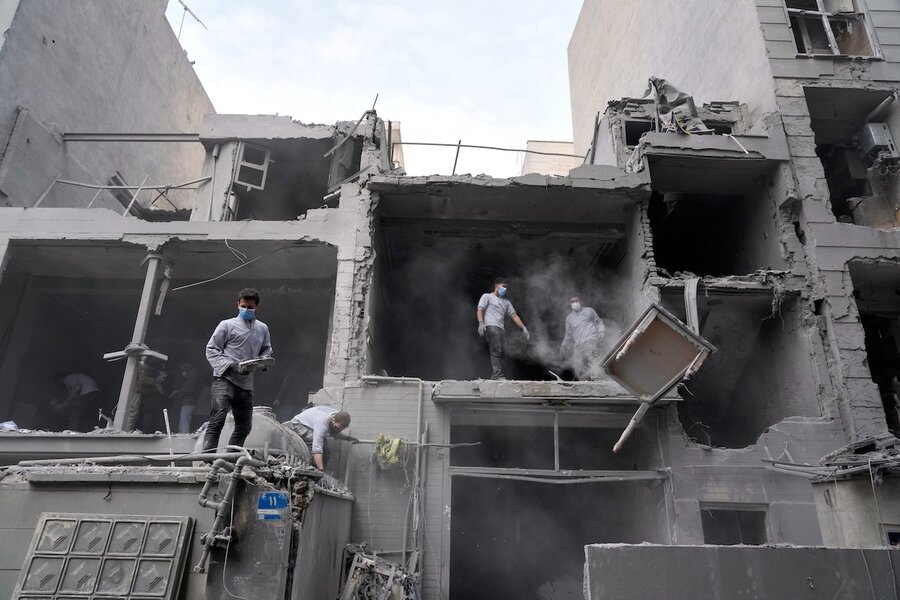
Since returning to the presidency, however, he has more or less reverted to the same foreign policy tendencies he had during his first term. He dropped bombs on key Iranian nuclear sites in June, launched an operation against Venezuela that captured dictator Nicolás Maduro, and most recently took broader military action against Iran in hopes of spurring regime change.
Whether any of these operations are successful in the long run remains to be seen. However, it is clear that these involvements run counter to what Trump promised MAGA heading into the 2024 election.
Trump is right when he says that he decides what America First means, given that he is the leader of that movement. However, what the misalignment between rhetoric and action in this case does impact who hopes to be the heir to the Republican Party after Trump.
Most notably, Vance has some serious issues to overcome here, given what he has said in the past and what is happening now.
“Our interest, I think very much, is in not going to war with Iran,” Vance said in October 2024.
He warned in another podcast appearance that Iran and Israel could provoke World War III. Outside of the Iran issue, Vance is a staunch isolationist, opposing U.S. support being sent to Ukraine and is skeptical of our relationships with European allies.
Those positions are clearly incompatible with Trump’s aggressive use of force against threats to American interests, and this will be a serious internal rift between Trump’s camp and the looming Vance 2028 presidential campaign.
Trump’s foreign policy will impact the 2028 GOP primary

Then there is the budding rivalry between Vance and Secretary of State Marco Rubio that has been percolating since the very beginning of the second Trump administration, and their foreign policy differences will be a key differentiator on the campaign trail if they both choose to run in 2028.
I am less confident that Rubio will run for the 2028 nomination than others are. I think Republicans are going to have an uphill climb to win in 2028, given how unpopular Trump already is. Rubio may see 2028 as an opportunity to watch Vance flame out while he sits in waiting for 2032.
However, in the event that Rubio does run, he is the single biggest threat to Vance in the Republican primary, and they are sure to take different approaches to Trump’s foreign policy. For Rubio, it is a selling point, but for Vance, it is uncomfortable baggage.
As much as he wants to remain on the sidelines of foreign entanglements, Vance will inevitably be linked to them if Republican voters fall out of favor with Trump’s interventions. It is extremely difficult to separate yourself from the actions of an administration as the vice president ‒ just ask Kamala Harris.
Vance is a more talented candidate than Harris, but I’m not sure that’s enough to overcome his involvement in an unpopular administration. Nor is it all that clear how he reconciles his intellectual opposition to interventionist foreign policy with his involvement in an administration active in that arena.
Dace Potas is an opinion columnist for USA TODAY and a graduate of DePaul University with a degree in political science.