Waging war with no fixed purpose means victory can be declared at any point. Donald Trump’s motives for launching Operation Epic Fury against Iran were incoherent at the start. They are no clearer now that he has declared it “very complete, pretty much”.
US and Israeli bombs have caused death and destruction, shaking but not toppling the government in Tehran. Among the targets was the supreme leader, Ali Khamenei. He has been replaced by his son – an “unacceptable” candidate in the US president’s evaluation.
Regime change was the plan, but Trump finds it easier to change plans than regimes. What began as a long-haul commitment to roll back decades of Islamic revolution has become a “short-term excursion” to neutralise Iran’s military capabilities.
Trump has not quite declared “mission accomplished”. He says he has won, but also that he has more winning to do. This is the familiar stage of rhetorical climbdown, indicating dawning awareness that a problem is more complicated than the president initially thought. Complexity resists his whim. It bores him.
Iran turns out to be unlike Venezuela, except in a superficial analysis as energy-exporting countries with a history of hostile relations with Washington. The model of regime decapitation and coercion that saw Nicolás Maduro kidnapped from Caracas and replaced with his compliant vice-president earlier this year whetted Trump’s appetite for an Iranian sequel. But the Islamic Republic has reserves of ideological and institutional resilience. It can also spook international markets by menacing trade in the Gulf.
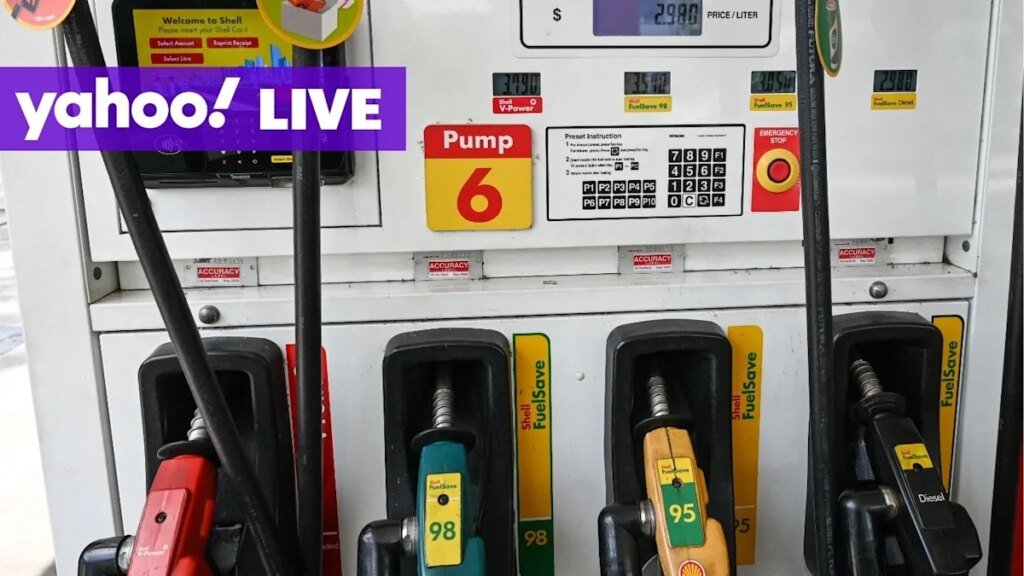
The White House seems not to have anticipated the predictable economic repercussions of war in the Middle East – soaring oil prices, falling stock markets, disrupted supply chains feeding inflation and choking growth.
Flashing red lights on the financial dashboard were surely the prompt for Trump’s pledge to bring his military adventure to a swift conclusion. A tacit deal has come into view. Forget freedom. Iranians can still be repressed as long as shipping through the strait of Hormuz is unmolested.
Another push for regime change is possible, but no one should be surprised by retreat to lesser goals. This is the Trump method. It was the story of his “liberation day” tariffs, ramped all the way up, then dialled partway down to ease panic on global markets. It was the pattern with threats to annex Greenland, issued with maximum bellicosity, later softened under pressure from European allies.
The trend is established enough to have its own acronym: Taco – Trump always chickens out. That implies a more complete withdrawal of bad ideas than actually happens. The average US tariff rate is still the highest it has been for a century. The claim that Greenland rightfully belongs to the US has not been retracted. The common ground where European democracies once thought they stood with the US is still churned up with suspicion.
Each spasm of egotistical power degrades trust and sabotages the international framework for settling differences by negotiation.
The biggest non-combatant beneficiary from Operation Epic Fury has been Vladimir Putin. His country’s ailing economy gets revenue relief from higher energy prices. To lubricate global supply, Washington has waived sanctions on India buying Russian oil. A sustained barrage of Iranian missiles targeting US allies in the Gulf depletes stocks of defensive systems that Ukraine also needs.
It isn’t all upside for the Kremlin. Iranian drones, a vital part of Putin’s arsenal, won’t be shipped to Moscow if they are needed closer to home. It is humiliating for the Russian president to stand impotently by while an old ally takes a sustained aerial battering.
In the longer term, Putin is served by reinforcement of the geopolitical doctrine that big countries can do whatever they like to nations against which they have grudges. The Kremlin didn’t care about Ukrainian sovereignty when pursuing regime change in Kyiv, and is gratified to see Washington taking the same line with Tehran.
That the cases are different should be obvious to anyone with a functioning ethical compass. Ukraine is a democracy, invaded by a despotic neighbour for daring to assert an independent trade and security policy. Iran is a dictatorship that murders its own citizens and exports terrorism around the world.
Such distinctions are important for rebutting Putin’s cynical exercises in bogus moral equivalence, but not sufficient as justification for Trump’s war. Nor is there any evidence to support the claim to self-defence in the face of an “imminent” Iranian attack.
There is a significant step from recognising the wickedness of Iran’s rulers, wanting to prevent them ever wielding nuclear weapons, and then agreeing that the only remedy is war, right now, without legal mandate. It is a leap Keir Starmer reasonably chooses not to make.
Not so the leader of the opposition. Kemi Badenoch’s eagerness to involve Britain in an open-ended conflict and dread of losing Trump’s favour preclude any wariness of a notoriously unreliable president. She believes the prime minister owes him not just military assistance but unquestioning obedience. Nigel Farage was similarly gung-ho at first, but the Reform UK leader’s political antennae are well enough tuned to public opinion that he has since adjusted his message to a more sceptical frequency.
The stalwart pro-American position sounds respectable as realpolitik: the UK has long depended on the US for its national security; when called to repay the favour, there should be no quibbling. But the argument then assumes no divergence of interests between London and Washington, or none so great that Starmer should ever refuse service to Trump.
It is hard to sustain that opinion with a clear-sighted appraisal of the people currently setting US policy, their erratic judgment, their scorn for international alliances, their contempt for any legal constraint on the president, their ideological orientation towards a far-right, Christian nationalist, white supremacist worldview. That is without also considering the possibility that Trump’s rambling, disjointed, semi-literate public pronouncements reflect pathological cognitive decline.
Is it official Conservative policy that Britain should always submit to the whims of a venal narcissist surrounded by kleptocrats, sycophants and ultranationalist maniacs? Or is it only when they beat the drum for war that we must follow? Neither position makes sense as a blueprint for British foreign policy.
The Trump doctrine conflates the ego of the president with the security and prosperity of the state. It assumes that one man’s exercise of military power, unchecked by rule of law and without regard for economic consequence, redounds to greater US glory. It contains no concept of the origins of Trump’s power, because that would imply a debt to the past, to previous holders of his office, to the constitution, to democratic allies, to the history of welcoming migrants in search of the American dream and the economic dynamism they brought with them.
That is the central lie of the Maga project. Making Trump feel great is the undoing of American greatness. In arrogating power to himself, the president undermines the foundations of his country’s strength in the world and damages its allies. To define Britain’s national interest as loyalty to the White House administration is absurd when the US’s own national interest would most be served by regime change in Washington.