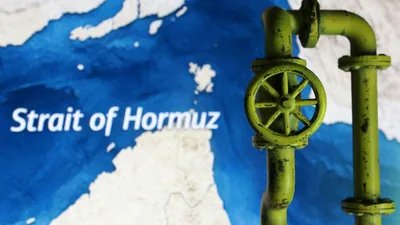
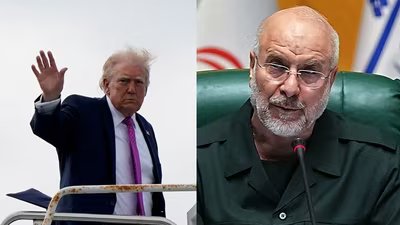
US President Donald Trump has told aides he is willing to end the US military campaign against Iran even if the Strait of Hormuz remains largely closed, administration officials said, according to The Wall Street Journal. This is as the war between the US and Iran crossed four weeks.

The move could extend Tehran’s firm grip over the crucial waterway and leave a complex operation to reopen it for a later stage.
In recent days, Trump and his advisers assessed that any mission to force open the chokepoint would stretch the conflict beyond his preferred timeline of four to six weeks.
Instead, he has decided the US should focus on achieving its primary objectives, weakening Iran’s navy and reducing its missile stockpiles, before winding down active hostilities. The administration would then shift to diplomatic pressure on Tehran to restore the free flow of trade, the report added.
Follow here for live updates on the US-Iran war
What will US do if diplomatic efforts fail?
If diplomatic efforts fail, Washington is expected to push allies in Europe and the Gulf to take the lead in reopening the strait, officials said. While military options remain on the table, they are not an immediate priority.
Over the past month, Trump has offered several positions on how to deal with the strait, an important contesting point of the US-Iran war.
At times, he has threatened to bomb civilian energy infrastructure if the waterway is not reopened by a set deadline. At other moments, he has downplayed its importance to the US, suggesting the closure is a problem for other countries to address.
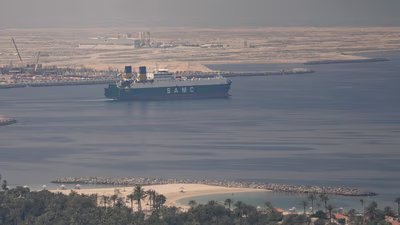
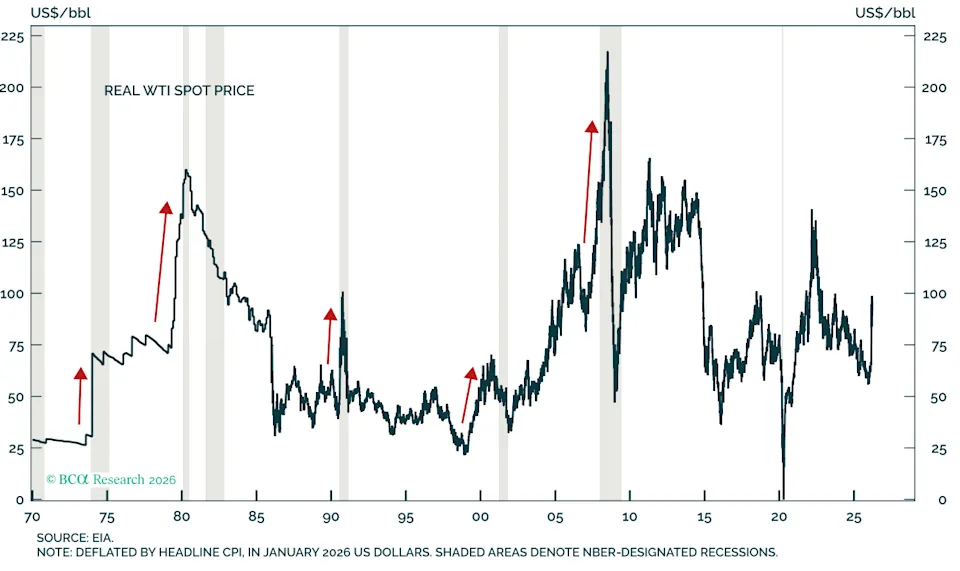
The prolonged closure of the strait is already roiling the global economy and pushing up gas prices. Several countries, including US allies, are grappling with disruptions to energy supplies that once moved freely through the passage. Industries dependent on materials such as fertilizer for agriculture or helium for semiconductor production are also facing shortages.
Trump on Iran’s energy infrastructure
Trump warned on Monday that the US would obliterate Iran’s energy plants and oil wells if Tehran does not open the Strait of Hormuz, after Tehran described US peace proposals as “unrealistic” and fired waves of missiles at Israel.
Israel’s military said two drones from Yemen were intercepted on Monday, two days after Iran-aligned Houthi forces entered the conflict by launching missiles at Israel. It also said Lebanon’s Hezbollah fired rockets at Israeli territory.

Israeli forces carried out missile strikes targeting what they described as military infrastructure in Tehran, as well as sites linked to Iran-backed Hezbollah in Beirut, sending plumes of black smoke over the Lebanese capital.
Turkey’s defence ministry said a ballistic missile launched from Iran entered Turkish airspace before being shot down by NATO air and missile defences in the eastern Mediterranean, the fourth such incident since the conflict began.
Tehran remains defiant in the month-long war, which began with US-Israeli strikes on Iran on February 28 and has since spread across the region, leaving thousands dead, disrupting energy supplies, and straining the global economy.