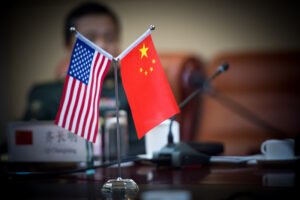
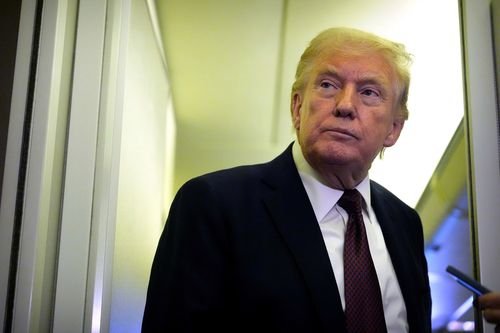
Multiple comments from President Trump and his aides in recent days have suggested that a closely watched trip to China to meet with Xi Jinping at the end of this month may be delayed.
“Because of the war, I want to be here,” Trump told reporters on Monday afternoon at the White House saying he’d made the request to China “that we delay it a month or so.”
The fresh comments from the president came after Treasury Secretary Scott Bessent met with Chinese officials in Paris in Sunday and Monday and to iron out details of the ongoing trade truce and ahead of the trip which is scheduled for March 31 to April 2.
Bessent on Monday on CNBC cited “logistics” as the possible reason for the delay and tried to underline that differences over the war with Iran itself are not behind the possible change of plans.
“If the meetings are delayed, it wouldn’t be delayed because the president demanded that China police the Strait of Hormuz,” Bessent added.
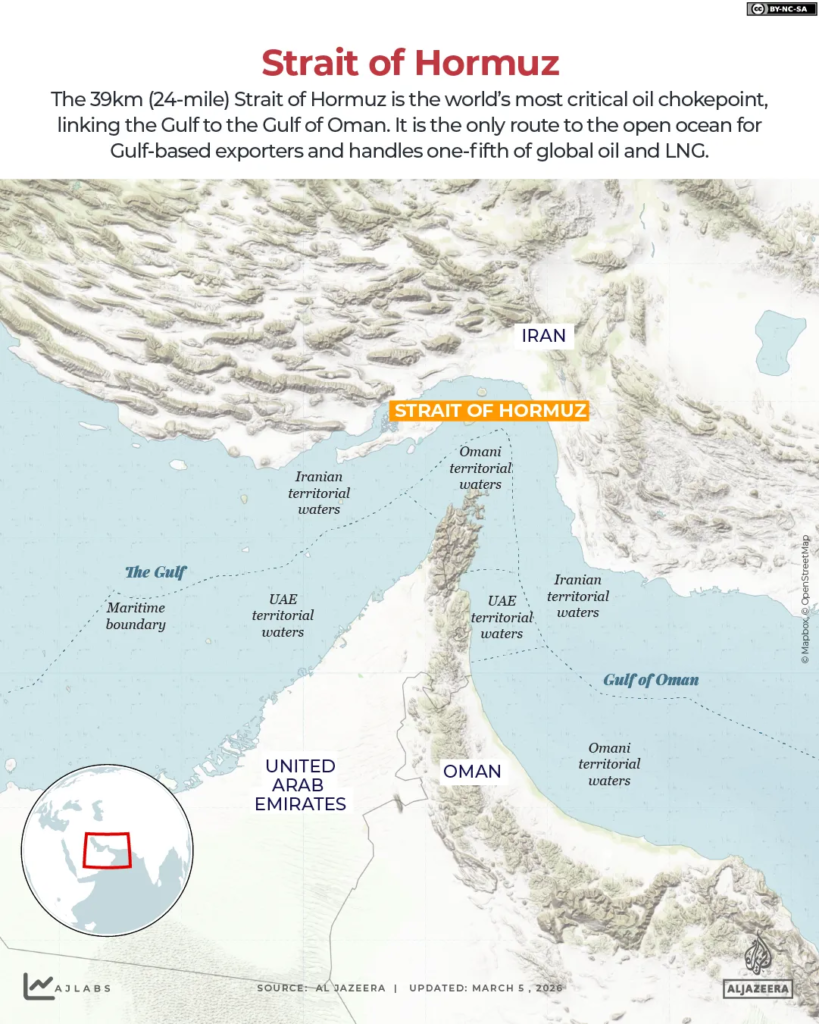
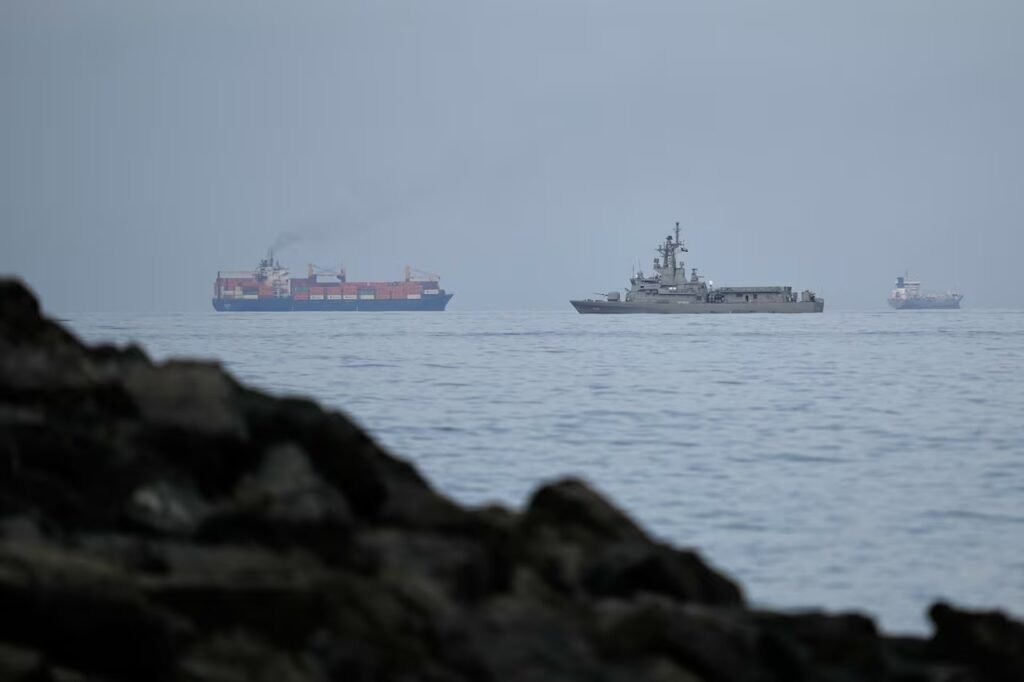
The critical shipping channel has been effectively closed amid the fighting, stanching the flow of oil into global markets, with President Trump over the weekend pushing other nations to help reopen the strait.
Bessent appeared to be walking back other comments from Trump, who also told the Financial Times on Sunday that the trip could be delayed and suggested no deal on Chinese ships helping patrol the strait could be a reason.
“We’d like to know” if China will be helping before taking the trip, the president told the outlet.
Read more: How to protect your money as Mideast turmoil fuels market volatility
Terry Haines of Pangaea Policy called a potential delay “breaking markets negative news” and added that “developing uncertainty alone likely increases markets jitters until resolved.”
Economic observers have long had this China visit circled on their calendars as a likely indicator of the durability of a current trade detente.
Tensions have been lower in recent months after both sides briefly leveled triple-digit duties against each other last year.
The commentary from Bessent — as well as separate comments from press secretary Karoline Leavitt — repeatedly sought to downplay the importance of any forthcoming delay. Bessent directly said that markets should “absolutely not” react if the delay is announced.
Bessent, meanwhile, said that the meetings in Paris — which wrapped up Monday — had made progress on broader bilateral concerns, that a joint statement would be forthcoming, and that there is a “stable relationship” between the world’s two largest economies.