Amid a deluge of jokes, insults, social media rage and warnings of imminent military action that have spilled from President Donald Trump in an especially loquacious few days, there have been two startling omissions.
He’s announced few plans to ease deep insecurity inflicted on millions of Americans by the punishing cost of daily life or the scary spike in premiums for Affordable Care Act policies. Instead, he’s using a master brand maker’s familiar tactic — fashioning a new reality in which such problems don’t exist.
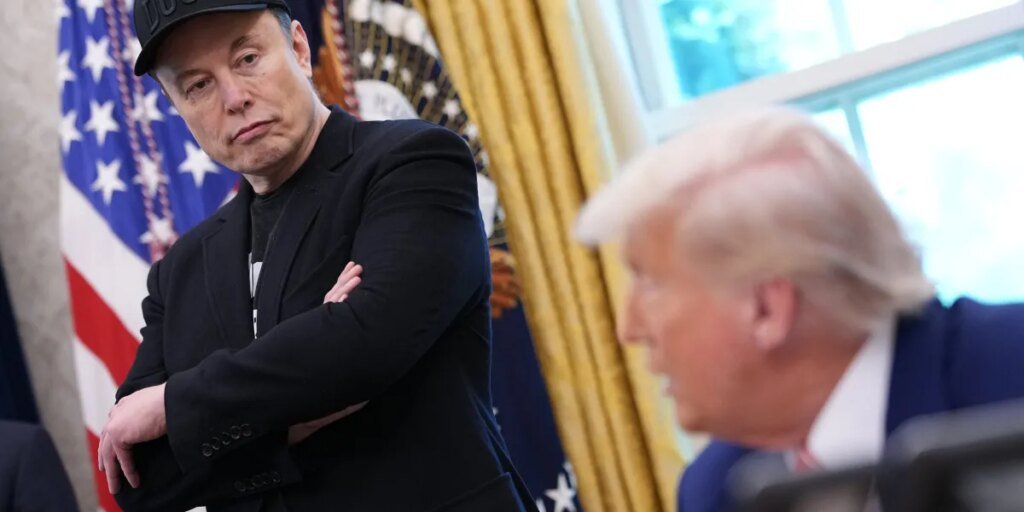
“Look, affordability is a hoax that was started by Democrats, who caused the problems of pricing,” Trump fumed at the start of Tuesday’s interminable Cabinet meeting. “They’re like scam artists. You know … I call them con men and women. They come out, they say ‘affordability.’”

Trump has a point that inflation raced to its highest levels in 40 years under President Joe Biden. And some Democrats seemed to have belatedly discovered the word “affordability” and view it as a magic wand to revive their party.
But being blamed for rising costs is a curse of incumbency. Trump should know. His vows to cut prices helped him win back the White House last year. And now he’s in the hot seat. Calling the whole thing a hoax won’t help him or hard-hit citizens.
Trump is taking a major risk in choosing denial about the cost-of-living crisis currently dominating politics, especially since recent elections show it can be a winner for Democrats and threatens GOP control of Congress next year.
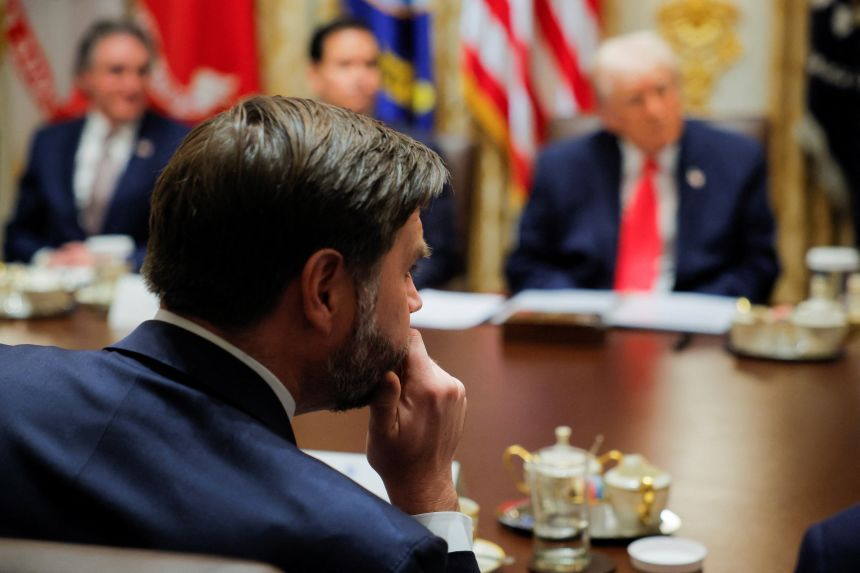
Not for the first time have Trump’s affordability rants left JD Vance in a tough spot. As a potential Trump successor, the vice president can’t just ignore voters’ top issue. Sitting across the Cabinet table from Trump he implicitly accepted not everything was perfect, while echoing his boss’s line that it was Biden’s fault. “It would be preposterous to fix every problem caused over the last four years in just 10 months,” Vance said. “I think 2026 is going to be the year where this economy really takes off.”
The president was similarly cavalier about rising Obamacare premiums, which could deprive millions of health care next year. An effort by the White House and Hill Republicans to come up with a way forward has stalled amid disagreements within the party, CNN reported Tuesday. And even Trump hinted before Thanksgiving that this was an unsustainable position — as much as he hates Obamacare.
But on Tuesday, there was little sign of the presidential leadership needed to force any remedy through a deeply reluctant Republican Congress. “Obamacare’s horrible healthcare,” Trump said before referencing his idea to give government money to policy holders so they can enter the marketplace on their own — a scheme so complex that it has little chance of happening before the holidays. “We want it to go to the people and then let the people go out and buy their own healthcare, and they’ll do great. They’ll do great. So, we’re negotiating that now with the Democrats.” Trump said, in the same kind of vague comments that never produced a healthcare plan in his five years in power.
Trump has tried to bring down the cost of certain prescription drugs. And he proudly talked Tuesday about how he’s acted to make weight-loss medications or what he called the “fat drug, the fat drug, F-A-T, for fat people” more affordable. But while such moves often involve thinking outside boxes that limit normal politicians, there’s no clear strategic through line between eye-catching public announcements.
And while Trump — a billionaire — struggles to understand affordability, he has other big plans. Take Dulles Airport, outside Washington. “It’s a terrible airport. It was incorrectly designed — with a good building, actually. It’s got a beautiful terminal,” Trump told the Cabinet. “We’re going to make that into something really spectacular. We have an amazing plan for it.” The president isn’t popular in liberal Washington, DC, and its suburbs. But his local approval ratings might shoot up if he can free the Beltway crowd from the crammed 1960s-era people-mover buses that take them to customs after long international flights.
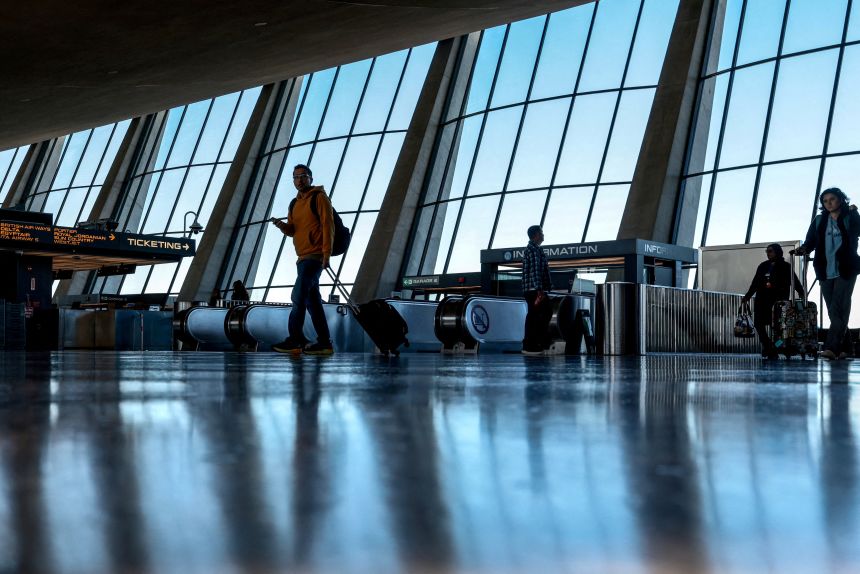
Yet bringing Dulles into the 21st century is hardly likely to ease the economic crunch hurting millions of people. It looks instead like the tin-eared personal vanity projects that the president hopes will leave his mark long after he’s left office — such as the new White House ballroom.
The Cabinet meeting was as absurd as all the others. Subordinates competed to one-up one another praising the president.
Transportation Secretary Sean Duffy promoted his campaign to Make America Fly Smartly again. “Maybe not wear pajamas or slippers on the airplane,” he said. And Secretary of State Marco Rubio proclaimed “the most transformational year in American foreign policy since the end of the Second World War at least.” By that point, even Trump had heard enough, seemingly closing his eyes and drifting out of the meeting. White House press secretary Karoline Leavitt, however, told CNN the president was “listening attentively and running the entire three-hour marathon Cabinet meeting.”
Rubio’s presence at the president’s side told an extraordinary story.
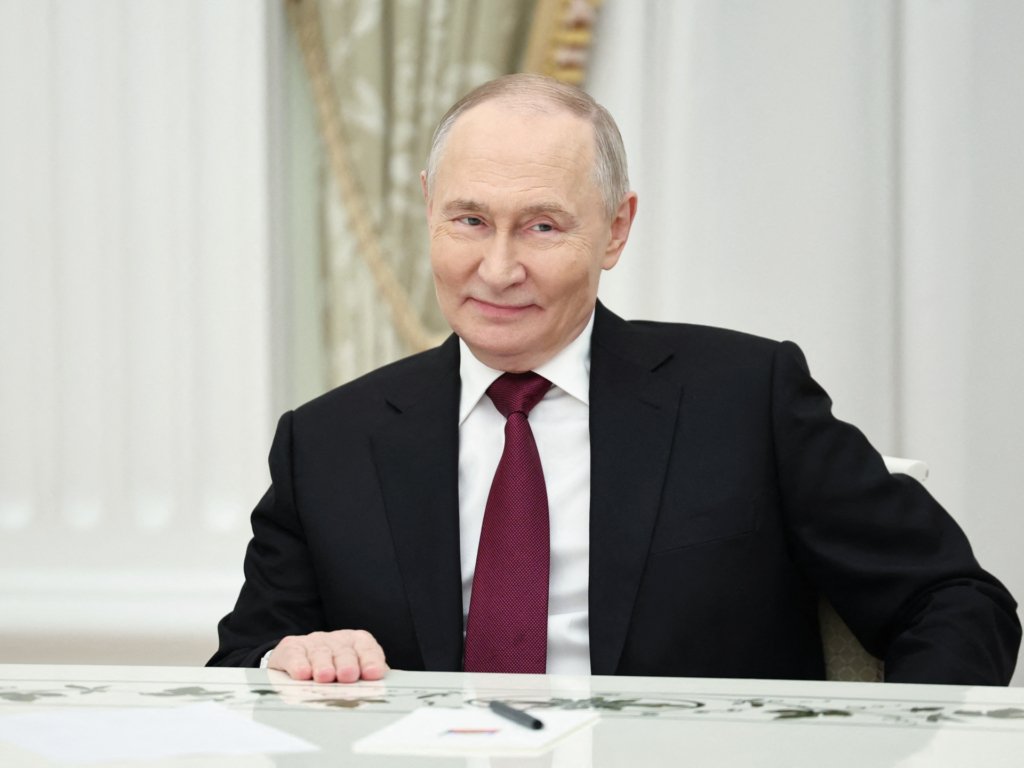
You might think the secretary of state and national security advisor should have been in the Kremlin trying to broker an end to the Ukraine war with President Vladimir Putin of Russia. Instead, the US delegation was led by Trump’s envoy Steve Witkoff and son-in-law Jared Kushner. Both men are wealthy dealmakers and reflect the transactional mercantilism of Trump’s foreign policy. Rubio might also have spoiled the party as the biggest Putin skeptic on Trump’s top team.
Trump’s attempts to end the Ukraine war is one of the big foreign policy projects, partly aimed at winning a Nobel Peace Prize, that GOP critics like disaffected Georgia Rep. Marjorie Taylor Greene fear are drawing him away from his America First roots. Greene also wants him to address affordability.
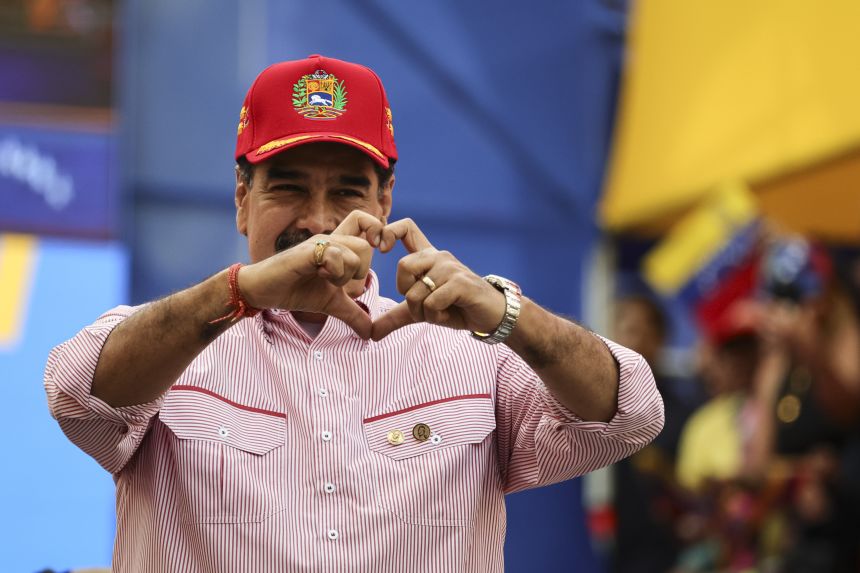
Another of those foreign adventures is the massive US military buildup off Venezuela designed to oust dictatorial President Nicolás Maduro as part of a wider attempt to impose Trump’s power on the Western hemisphere.
But the same polls that show Americans are fixated on the cost of groceries, housing and health care also reveal majorities opposed to military action in Venezuela — the kind of potential overseas entanglement Trump once opposed.
The showdown with Maduro and the administration’s military strikes on alleged drug traffickers in waters off Venezuela have now sucked the president in to another storm that will distract him from voter priorities. He and Defense Secretary Pete Hegseth spent much of the Cabinet meeting defending themselves over a follow-up strike on one boat that Democrats warn may amount to a war crime. The drama in Venezuela is also tearing new divides in the GOP and the MAGA movement. Hawkish Republicans and some Latino lawmakers want Trump to go full-throttle against Maduro. But the anti-interventionist wing of the MAGA movement sees a distraction and a repudiation of America First.
But the Cabinet meeting also showed why for all his mounting political problems, Trump remains so popular among GOP base voters and why so many progressives fail to understand his methods and appeal.
The president uses such events as a well to top up anti-establishment credentials that got him to the White House in the first place. He’ll say anything and is often proudly uncouth. The guffaws heard around the Cabinet table do not only show sycophancy. Trump supporters think he’s funny. He reaches them. And legacy media mockery of his Putin-style Cabinet meetings only cements the conceit that he’s fighting against power centers that his supporters hate.
Trump’s screed against Somali immigrants in Minnesota Tuesday will strike many Americans as deeply offensive, racist and dishonoring the values of an immigrant nation. “I don’t want them in our country, I’ll be honest with you, OK? Somebody said, ‘Oh, that’s not politically correct.’ I don’t care. I don’t want them in our country. Their country’s no good for a reason. Their country stinks.”
This may be a minority view. And the sight of a president calling any ethnic group “garbage” as Trump did Tuesday is shocking — especially one that includes many passport-holding Americans entitled to the same constitutional protections as any other citizen. But Trump’s anti-immigrant rhetoric formed the very first building block of his political coalition. And he’s doing it again. Whenever he’s in political trouble he goes back to targeting outsiders.
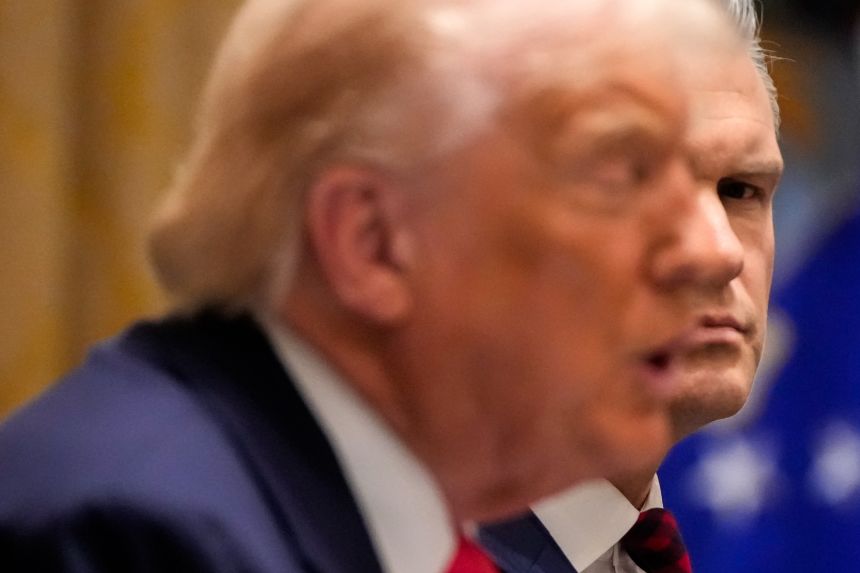
Hegseth gets the drill. His contempt for rules of engagement and legal norms governing US military action might horrify traditionalists and put senior US officers in an impossible position. But it fits Trump’s strongman political ethic. Most defense secretaries accused of breaking the laws of war might be mortified. Hegseth, while denying he ordered or knew about the follow-up strike, doubled down on the theatricality of the moment for political effect. “President Trump has empowered commanders … to do what is necessary, which is dark and difficult things in the dead of night on behalf of the American people,” he said.
Such soundbites dominated conservative media all afternoon and evening Tuesday, and may serve to pressure any Republican lawmakers who want a genuine investigation into Hegseth’s conduct.
But what about Americans outside the MAGA bubble?
Trump has never tried to expand his base much — and still built a coalition that won two White House terms. But endless events that please his supporters and ignore affordability worries afflicting everyone else seem a poor political choice.
Just don’t try telling him he’s wrong. “Some people will correct me because they always love to correct me, even though I’m right about everything,” Trump said.