Published on
March 9, 2026

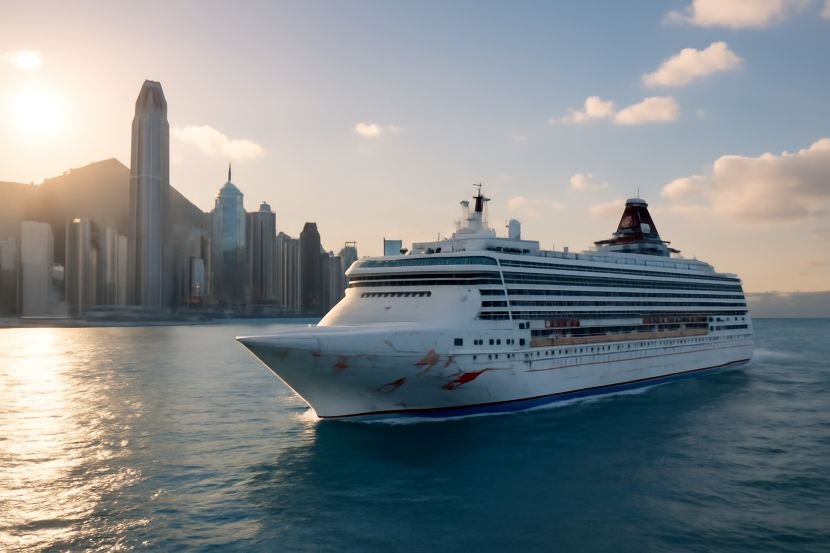
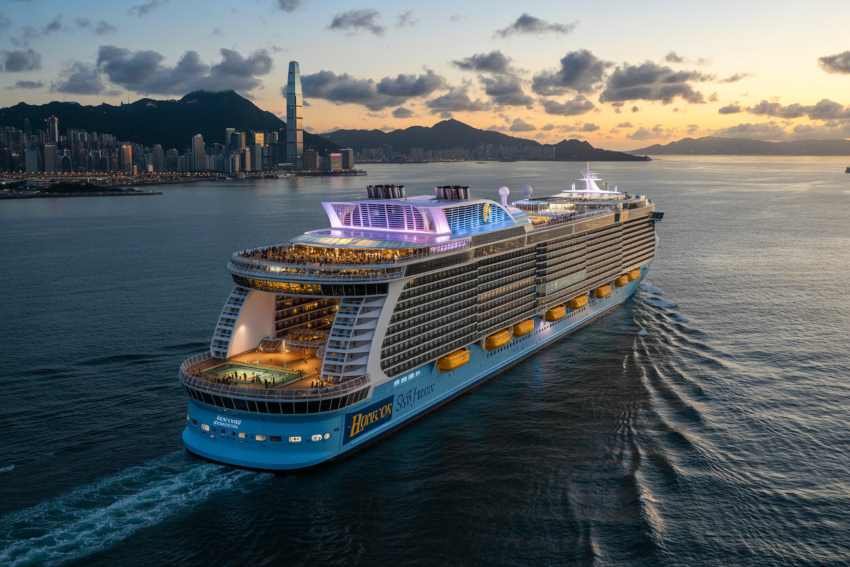
Image generated with Ai
Hong Kong’s skyline has long been associated with high finance and neon-lit harbours, but a quieter, more inclusive transformation is currently underway on its bustling streets. The city is rapidly establishing itself as one of the top destinations for Muslim travellers on the Asian continent. This evolution is more than just hospitality; it is a strategic shift that has earned the city top-tier recognition in two of the world’s most prestigious travel rankings.
A New Benchmark in Global Rankings
A significant milestone was reached when Hong Kong was positioned third among non-OIC (Organization of Islamic Cooperation) destinations in the Global Muslim Travel Index (GMTI) 2025. This achievement is further bolstered by the city being honoured as the Most Promising Muslim-Friendly Destination of the Year at the 2025 Halal in Travel Awards. These accolades are viewed by regional industry leaders as a clear reflection of a deep-seated commitment to religious inclusivity and service excellence.
The Indonesian Travel Agent Association (Astindo) has particularly observed this upward trajectory. It is noted by the association that the initiatives undertaken by the Hong Kong government and its tourism stakeholders have successfully fostered an environment where Muslim visitors feel not just accommodated but genuinely welcomed.
Strengthening Infrastructure and Accessibility
The physical landscape of the city is being actively adapted to meet the spiritual needs of global travelers. At Hong Kong International Airport, a sophisticated network of non-denominational prayer rooms has been established, featuring essential fixtures such as foot-cleaning basins (wudhu facilities) and Qibla directional indicators. This level of consideration is mirrored across the city’s major leisure and commercial hubs.
Advertisement
Advertisement
From the high-altitude views of Sky100 to the family-friendly expanses of Hong Kong Disneyland and Ocean Park, dedicated prayer spaces have become a standard offering. Furthermore, the Hong Kong Convention and Exhibition Centre was recently recognized as the Muslim-friendly Convention and Exhibition Centre of the Year, ensuring that business travellers can balance professional obligations with their faith.
The Evolution of Halal Gastronomy
One of the most significant hurdles for the faithful traveller—the availability of Halal-certified food—is being addressed through a rigorous and transparent system. Halal certification within the Special Administrative Region is strictly administered by the Incorporated Trustees of the Islamic Community Fund of Hong Kong. This oversight ensures that the integrity of the food supply chain is maintained, providing visitors with absolute confidence.
Advertisement
Advertisement
The culinary landscape has expanded far beyond traditional expectations. While authentic Halal Cantonese dim sum remains a staple, the city now boasts nearly 200 certified establishments. This growth is being accelerated by the Hong Kong Restaurants Halal Certification Funding Scheme, a government-backed initiative that provides financial subsidies to restaurants seeking to obtain Halal status. As a result, diverse options—ranging from high-end Michelin-recognized venues to local noodle shops like those in Tsim Sha Tsui—are becoming readily available to the Muslim palate.
Preserving Islamic Heritage
Beyond modern infrastructure, a rich vein of Islamic history is offered to the culturally minded explorer. Historic landmarks, most notably the Kowloon Mosque and Islamic Centre, stand as pillars of the community. These sites are not only architectural marvels but also serve as vital spiritual hubs for both the local Muslim population and international visitors. This layer of religious and historical significance adds a profound depth to the Hong Kong experience, allowing travellers to connect with a diverse community that has been part of the city’s social fabric for over a century.
Strategic Regional Collaborations
The momentum of this movement is being sustained through strategic international partnerships. A joint promotional campaign has been entered into by Astindo and the Hong Kong Tourism Board (HKTB), scheduled to run from March 6 to May 6, 2026. This collaboration, which involves five major travel agencies, is designed to curate inclusive tourism packages that cater specifically to the requirements of the Muslim market while remaining attractive to a broader audience.
The initiative is supported by an “accreditation, education, and promotion” strategy. It is believed that by educating frontline hospitality staff and accrediting hotels—over 60 of which are now Crescent Rated—a seamless and respectful visitor experience can be guaranteed.
Looking Toward an Inclusive Future
As Hong Kong refines its tourism ecosystem, the global community receives a clear message: diversity is the city’s greatest strength. The transition from a traditional transit hub to a premier faith-based destination is being driven by policy, passion, and a genuine desire for inclusivity. For the modern Muslim traveller, the “Pearl of the Orient” has never been more accessible or welcoming.