Published on
February 16, 2026

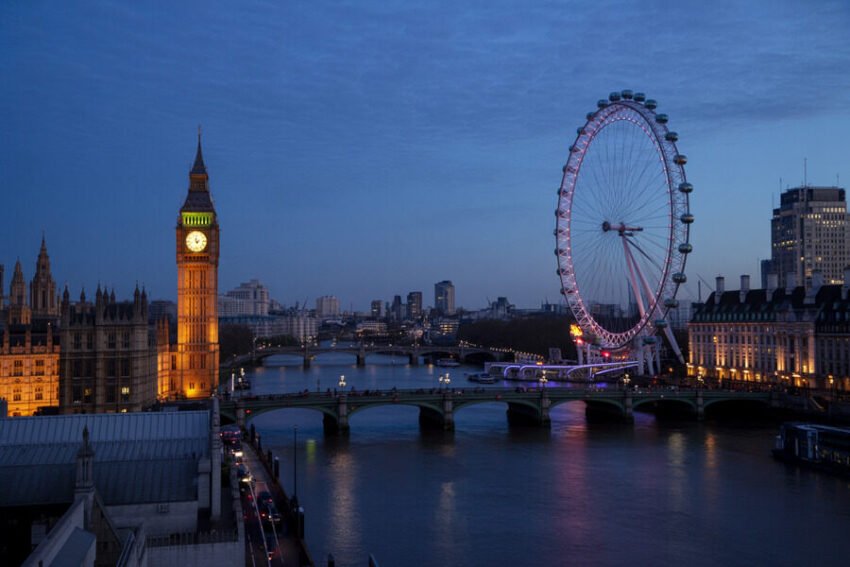
Image generated with Ai
Thailand Joins Australia, Saudi Arabia, United Kingdom, Denmark, and More Nations in Tightening Visa Rules and Reducing Stay Duration for Global Travelers due to growing concerns over security, economic control, and post-pandemic recovery. In 2025 and beyond, several countries have introduced tougher visa regulations, slashed the duration of visa-free stays, and added more scrutiny to visa applications. These measures are designed to manage the influx of international visitors while balancing national interests, creating new hurdles for travelers. This article delves into these significant visa changes, highlighting the countries implementing these shifts, the reasons behind the new policies, and what travelers need to know to navigate this evolving landscape.
As global travel continues to rebound in 2025, a significant shift is underway in the way many countries manage their borders. Several nations, including Thailand, Australia, Saudi Arabia, the United Kingdom, and Denmark, have introduced tougher visa rules and reduced the duration of stay for international travelers. This wave of tightening visa policies is creating new hurdles for tourists, business travelers, and long-term visitors alike. This article explores the details of these changes, why they are happening, and what travelers can expect in the coming months.
Thailand’s New Visa Measures: A Game Changer for International Travelers
Thailand, a country long known for its welcoming stance toward tourists, has recently rolled out a series of significant changes to its visa policies. These changes are part of a broader move to simplify border controls and boost Thailand’s economic recovery post-pandemic. However, these reforms also include restrictions that will make it more challenging for some travelers to visit.
Expanded Visa-Free Access, But With New Limits
Under the updated visa exemption scheme, Thailand has expanded visa-free access for passport holders from 93 countries and territories. These travelers can enter Thailand for tourism, work, or short-term business stays without a visa. The stay has been extended to a maximum of 60 days, but there’s a special caveat: this 60-day visa-free stay is being treated as a “special case,” meaning it could be shortened or adjusted as authorities see fit.
Advertisement
Advertisement
In addition, passport holders from 31 countries and territories can still obtain a Visa on Arrival (VoA), allowing for stays up to 15 days. While this extension is still easier than obtaining a visa through the traditional channels, the limitation of stay duration is part of a broader strategy to balance the influx of tourists while tightening control on overstayers. Moreover, Thailand is considering adding eight more countries to the VoA list in future phases of these reforms.
Remote Work Visas: A New Era for Digital Nomads
Thailand is also catering to the growing trend of remote work and digital nomadism with the introduction of the Destination Thailand Visa (DTV). This new visa category is specifically designed for foreigners who want to live in Thailand while working remotely. The DTV allows visitors to stay for longer periods, making it ideal for those wishing to work from Thailand’s stunning beaches, bustling cities, and serene rural areas.
Advertisement
Advertisement
Additionally, Thailand has launched a new Non-Immigrant ED Plus Visa, catering to students and individuals combining study and work. The government is actively reviewing long-term visa options, particularly for retirees and elderly travelers wishing to settle in Thailand.
The Digital Arrival Revolution
To further streamline the process, Thailand introduced the Thailand Digital Arrival Card (TDAC). This digital arrival system replaces the traditional paper-based process, which previously required travelers to fill out forms upon arrival. The TDAC allows travelers to complete the required information online before they arrive in Thailand, thereby reducing the paperwork at immigration checkpoints and improving the processing time for incoming visitors. This system has been in use since May 2025.
Advertisement
Advertisement
While Thailand’s new policies are largely aimed at boosting tourism, supporting remote workers, and improving border security, the reduced visa-free duration and stricter requirements for certain categories of visas are making travel to the country a bit more challenging.
Australia: Leading the Way in Tougher Immigration and Visa Restrictions
Australia, a country known for its stringent border control policies, has also taken steps to tighten its visa rules for travelers, especially those from high-risk countries. In 2026, Australia has introduced higher visa application fees, a move aimed at curbing the number of low-income travelers applying for visas. This increase in costs has caused concern among potential visitors from developing countries, particularly those applying for tourist or student visas.
Visa Scrutiny for Student Visa Applicants
In particular, Australia has moved India to its highest-risk category for student visa applicants. This change means that Indian students will face more intense scrutiny when applying for visas. Applicants will be required to provide more extensive documentation, including proof of financial support, a clean criminal record, and academic transcripts, among other details.
For travelers from other countries, Australia’s visa policies are also becoming more complex. Authorities are cracking down on overstay violators and visa fraud, making it tougher for some nationals to gain entry.
Saudi Arabia: Temporary Visa Suspension for Some Nationals
Saudi Arabia, in a move to regulate the flow of visitors, has temporarily suspended short-term visas for travelers from 14 countries, including Bangladesh, Egypt, Pakistan, and Nigeria, during certain periods of 2025, particularly during the Hajj pilgrimage season. The suspension aims to prevent overcrowding and ensure smooth processing for pilgrims.
Visa Requirements for Saudi Nationals
While the temporary suspension only affects a small group of countries, it’s important for travelers from these nations to check the status of their visa applications ahead of time. The Saudi government is known for updating its visa policies frequently, especially around the Hajj period, and this is expected to continue.
United Kingdom: Tougher Visa Sanctions and Longer Wait Times
The United Kingdom has ramped up its visa sanctions in recent months, making it more difficult for travelers from specific countries to gain entry. The UK has introduced new visa sanctions for countries like the Democratic Republic of Congo, further complicating visa issuance for nationals from high-risk nations.
In addition to these sanctions, the UK has also increased visa processing times, particularly for long-term visas such as those for students and workers. This delay in processing has raised concerns about the UK’s ability to attract international talent and tourists, especially as the country looks to bolster its economy post-Brexit.
Tighter Regulations for Student and Worker Visas
The UK has introduced tougher measures for student visas and work permits, including stricter documentation and proof of financial stability. Applicants from countries with higher numbers of visa overstayers or undocumented migrants are particularly impacted.
Denmark: Increased Visa Scrutiny and Fees
Denmark is another country that has made significant adjustments to its visa policies. Starting in 2026, Denmark has implemented increased visa application fees and stricter income requirements for visa applicants. These changes are part of a broader immigration overhaul aimed at controlling the number of people entering the country while ensuring that only individuals who meet the financial and security standards can gain entry.
Impact on Business and Tourist Travelers
The new policies are particularly challenging for business and tourist travelers, who now need to meet higher financial thresholds to qualify for visa approval. Applicants from non-EU countries will also face increased processing times, making it essential for travelers to plan well in advance when applying for a Danish visa.
Countries Facing Tightened Visa Policies
As a result of these new measures, travelers will need to be extra diligent when planning their trips. Some of the countries that are tightening their visa rules or reducing stay durations include:
- Thailand – Reduced visa-free stays and the introduction of more complex visa categories.
- Australia – Higher visa fees and increased scrutiny for student visa applicants, particularly from India.
- Saudi Arabia – Temporary visa suspensions for travelers from specific countries during the Hajj season.
- United Kingdom – Longer wait times and tougher visa sanctions for high-risk countries.
- Denmark – Increased visa fees and financial requirements for visa applicants from non-EU countries.
Why Are These Visa Rules Tightening?
The tightening of visa rules in these countries is largely driven by a combination of factors:
- Security Concerns: Many countries are tightening their visa rules as a response to national security concerns, wanting to prevent terrorism, illegal immigration, and overstays.
- Economic Stability: Countries are also focusing on attracting high-value travelers who can contribute economically, such as skilled workers, remote workers, and investors.
- Cultural and Social Integration: Some nations are introducing stricter immigration measures to ensure better cultural integration of migrants and visitors.
- Post-Pandemic Recovery: As countries bounce back from the pandemic, many are looking to regulate the influx of travelers to avoid overwhelming public services and to manage tourism growth responsibly.
What Does This Mean for Travelers?
For travelers, these new policies mean more pre-planning and paperwork before embarking on international trips. Visa applications may take longer to process, and there may be more documentation requirements than ever before. However, some countries, like Thailand, are offering remote work visas to cater to the rise in digital nomads, and this may help provide new opportunities for long-term stays.
As border controls tighten, travelers need to stay informed and adjust their travel plans accordingly. This means ensuring passports are valid for the required duration, submitting visa applications well in advance, and double-checking requirements for their specific destination.
The tightening of visa rules and reduction of stay durations is a trend that is likely to continue as countries around the world adapt to new geopolitical and economic realities. While these changes may make travel more complex and time-consuming, they also reflect a global movement toward more secure and controlled immigration processes. Travelers will need to be proactive, patient, and well-prepared to navigate these changes.
Thailand Joins Australia, Saudi Arabia, United Kingdom, Denmark, and More Nations in Tightening Visa Rules and Reducing Stay Duration for Global Travelers in response to security concerns, economic priorities, and post-pandemic border management. These countries are imposing stricter visa policies to better control immigration flows and ensure long-term stability.
For countries like Thailand, Australia, Saudi Arabia, the United Kingdom, and Denmark, these new measures are just the beginning of a broader shift in global visa policy that will shape the future of travel for years to come.