If you want to make changes to your health, you need to make changes to your lifestyle. This is the uncomfortable yet fundamental principle that underlies any successful diet or exercise plan.
It’s uncomfortable because there are probably many reasons why you live life the way you do; be that practicality, necessity or comfort. As such, making consistent, long-lasting changes takes considerable effort. But how dramatic do these long-term lifestyle tweaks need to be to deliver significant results?
The answer, according to recent research, is not as dramatic as you might think. A study from the university of Sydney found that an extra half-serving of vegetables, 96 seconds of exercise and 15 minutes of sleep per day could, in many cases, measurably improve your health and even extend your life.
The research programme, headed up by leading physical activity researcher Professor Emmanuel Stamatakis, also identified the “optimal combined variations in sleep, physical activity and nutrition in relation to all-cause mortality risk”. In other words, the best combination of sleep, exercise and diet to reduce your risk of dying.
Below, Stamatakis and a leading physical activity researcher in his team, Dr Nicholas Koemel, delve into what this means for the average person and give lifestyle advice that can reduce your risk of heart disease and even add years to your life.
What is the optimal diet, exercise and sleep routine for longevity?
Stamatakis, Koemel, and their colleagues are responsible for a trio of recently released studies on the impacts of Span – an acronym that stands for sleep, physical activity, and nutrition.
The first, published in the BMC Medical journal, used hours of sleep per day, number of moderate-vigorous minutes of physical activity per day (MVPA) and a diet quality score (DQS) out of 100 to determine the combined theoretical improvements in these areas needed to reduce all-cause mortality risk – in layman’s terms, your risk of dying from any cause.
The DQS was calculated by assessing the intake of vegetables, fruits, fish, dairy products, whole grains, vegetable oils, refined grains, processed meats, and unprocessed meats.
Observing almost 60,000 people with a median age of 64 over the course of roughly eight years, the study identified an “optimal combination” of high MVPA (42-103 minutes per day of MVPA), moderate sleep (between 7.2 and eight hours of sleep per day) and a high DQS.
Interestingly, it was found that both under- and over-sleeping were, according to the metrics measured, not as beneficial as a moderate amount of nightly slumber, Koemel explains.
What are the smallest changes you can make to significantly improve your health?
Much of Stamatakis’s research centres around small, accessible lifestyle changes people can make to improve their health, fitness and wellbeing. For example, a 2025 paper found that five to 10 daily bursts of VILPA (vigorous intermittent lifestyle physical activity) can potentially lower the risk of cardiovascular disease, cancer and premature death among less active populations.
“We want to lower the bar of participation and lower the bar of getting benefit from movement, compared to more sophisticated exercise-based literature approaches,” he explains.
“It’s about giving options to the 80 or 85 per cent of the population who are not keen on doing regular, structured exercise. It’s not an optimal fitness solution – if you want to become fully fit, of course, structured exercise is the best way to go, but it comes with major commitments.”
Possible barriers to exercise people face include a lack of time, knowledge, finances or opportunity to exercise effectively. But those who don’t exercise “are at the highest risk of chronic disease and compromised lives”, so they are at the epicentre of Stamatakis’s work.
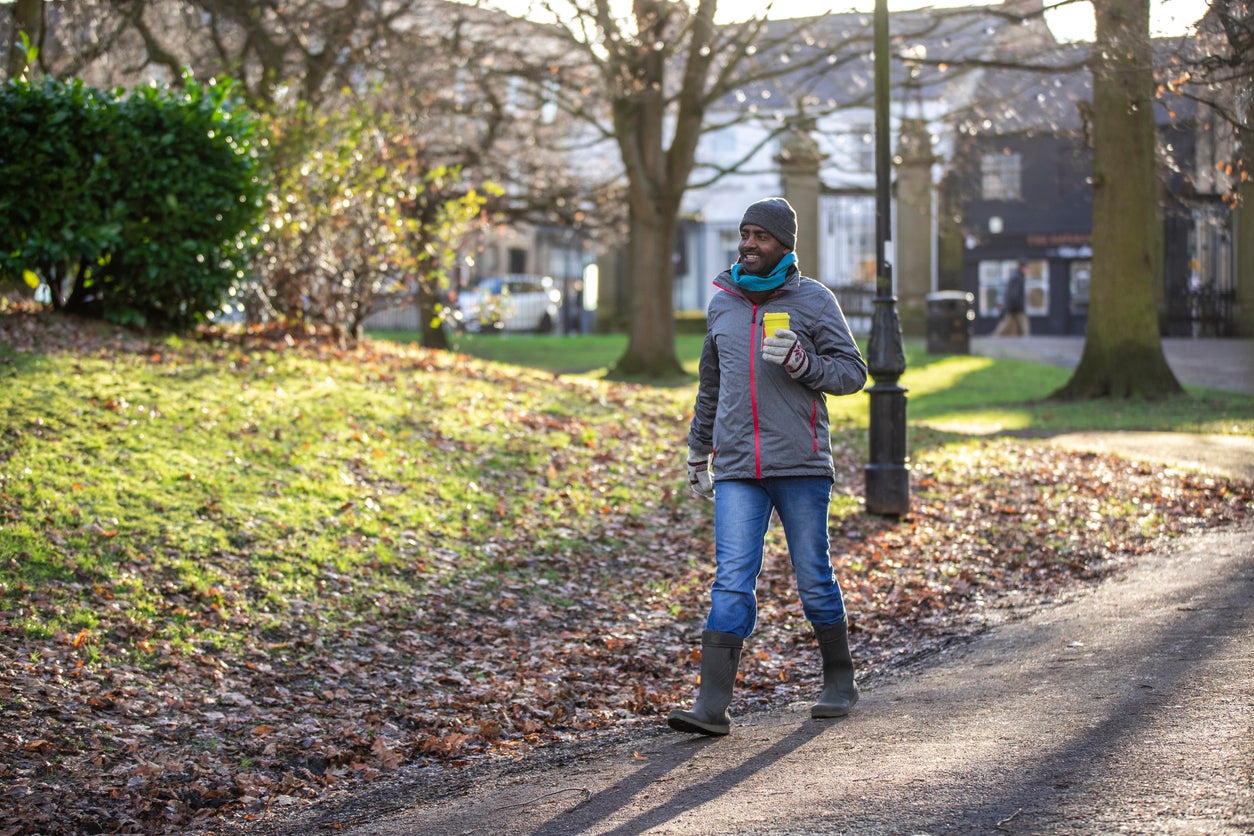
This is why his Span research is so promising. It shows that people could see significant health benefits from very small, consistent tweaks to their diet, sleep and activity levels – especially those with a DQS of 36.9 or below, who are currently sleeping less than five-and-a-half hours each night and completing less than 7.3 minutes of MVPA per day.
“[For this group] a theoretical minimum combined increase of 15 minutes per day of sleep, 1.6 minutes per day of MVPA, and five DQS points (for example, an extra half-serving of vegetables per day or one less serving of processed meat per week) was associated with a 10 per cent lower all-cause mortality risk,” the study reports.
“Combined increases of 75 minutes per day of sleep, 12.5 minutes per day of MVPA and 25 DQS points were associated with a 50 per cent lower all-cause mortality risk.”
“The spirit of the research remains the same,” Stamatakis says. “These are accessible and manageable changes that can make a significant difference if people incorporate them, ideally simultaneously, into their lives in the long term.
“We’re talking about a couple of minutes of extra MVPA, combined with 15 extra minutes of sleep and between half and one extra portion of fruits and vegetables, or analogous improvements across other aspects of our diet,” Koemel explains.
“It’s the synergistic and combined power of small changes. This is what the Span stream of work is looking into: trying to understand the potential of these interventions.”
The studies are observational, Stamatakis adds, so establishing cause-and-effect associations can be tricky. The value lies in the insights provided about the direction of the effects – identifying which behaviours have the power to nudge your health in the right direction.
Read more: Five stretches you should be doing every day according to a flexibility expert

The benefits of making these small changes
Stamatakis and Koemel’s study shows that minor tweaks to your sleep, exercise and dietary habits can reduce your risk of dying. But his further work includes a collection of connected Span studies – yet to be peer-reviewed – that reveal many further possible perks.
This extended research focuses not only on lifespan, but also healthspan – defined here as years lived free of cardiovascular disease, cancer, type 2 diabetes, chronic obstructive pulmonary disease and dementia.
The second paper reported that people in the most favourable third for Span behaviours (7.2-8 hours of sleep, more than 42 minutes of MVPA per day and a DQS of 57.5 or above) had 9.35 additional years of lifespan and 9.45 additional years of healthspan when compared to those in the least favourable third.
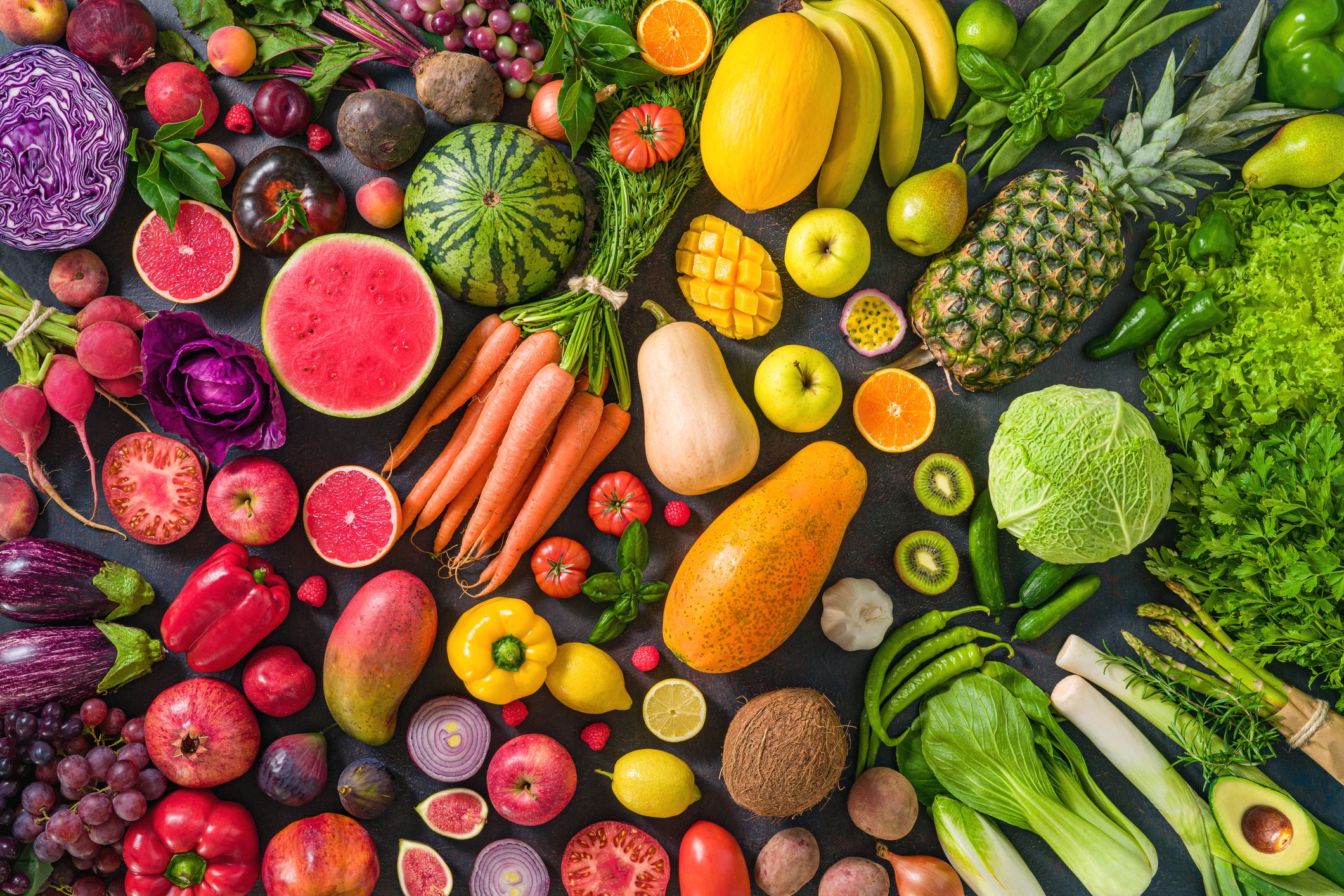
It states: “When compared to the fifth percentile for all Span behaviours, a minimum combined improvement of five minutes per day of sleep, 1.9 minutes per day of MVPA and a five-point increase in DQS (equivalent to an additional half-serving of vegetables/day) was associated with one additional year of lifespan.
“For healthspan, a combined improvement of 18.6 minutes per day of sleep, 3.4 minutes per day of MVPA and a 21-point diet score increase (equivalent to an additional cup of vegetables and two servings per week of fish) was associated with four additional disease-free years.”
The third paper then explores the impact of Span on major adverse cardiovascular events (Mace) such as heart failure, heart attacks and stroke.
It found that a theoretical minimum combined improvement of 11 minutes per day of sleep, 4.5 minutes per day of MVPA and a DQS improvement of three points (ie, a quarter of a cup of vegetables per day) was associated with a 10 per cent lower Mace risk. More research into this area is in the pipeline.
Read more: A cardiac nurse says these five daily behaviours can reduce your risk of heart disease

What changes can you make to your lifestyle to improve your lifespan and healthspan?
The sum of these parts is that small changes to your diet, sleep and activity levels, performed consistently and simultaneously, can make measurable impacts on your life.
Larger changes in these areas may be linked to more dramatic improvements, to the tune of 10 extra years of healthy living in some cases.
The identified optimal behaviours in these studies, and the values that would see you occupy the most favourable third of participants, are:
- Increasing sleep duration: between 7.2-8 hours per night.
- Moving more: at least 42 minutes of moderate to vigorous physical activity per day, whether that’s structured exercise or incidental movement such as brisk walking and gardening.
- Improving the quality of your diet: more regular inclusions of elements such as fruits, vegetables and fish, with fewer processed meats and sugar-sweetened beverages, were associated with improvements in health. Koemel advises taking small steps at first, such as incorporating an extra quarter of a cup of vegetables into a recipe or swapping a packaged, processed snack for a piece of fruit.
The subjects in these studies had a median age of more than 60, but the behaviours were selected for their ability to improve health at any age, and they can provide direction for any person interested in increasing their wellbeing.
The minimal changes required across the Span behaviours are also more accessible than most suggested interventions you may see online – daily hour-long workouts or inflexible diets, to name a couple of examples. And while more is often better when it comes to healthy habits and exercise, these suggestions provide accessible, achievable options for those who currently struggle to find time to exercise.

“We understand that making major behavioural changes on a large scale is very complex, and if you set the bar too high – such as telling people to make drastic changes to their diet, sleep for an extra hour every night or go to the gym five times per week – they may be less likely to succeed. This is supported by other literature on the topic,” Stamatakis tells me.
“Also, the more drastic the change, the less likely people are to sustain it in the long term, and that is obviously what we want to support.”
Stamatakis points to the post-Christmas period as an example of this. Millions of people resolve to overhaul their lifestyle in favour of a fitness-fuelled routine from 1 January. By February, most have called it quits.
“Our work is not about guilt-triggered behavioural change, it’s about supporting people to make whatever degree of change they can in the long term,” he summarises.
In short: If you can hit the hay 15 minutes earlier, add a few more greens to your meals and weave some extra minutes of activity into each day, you will reap the rewards.
The one caveat? This can’t be a short-term health kick – you need to stick with these changes.
Read more: Eat these two foods weekly to improve gut health and reduce tummy troubles, nutrition expert says