Feb. 18, 2026, 12:05 a.m. ET

I will not use this column to list all the terms – favorable and unfavorable – people have used to describe Donald Trump. The list would be too long and many of the terms unprintable. But I will offer up one that hasn’t been used much – “vexatious.”
I realize that “vexatious” sounds like one of those fragrances you see on commercials, featuring some beautiful model with a breathy voice shilling the tiny, overpriced bottle. But that’s not what it is. Both federal and state laws address “vexatious litigators.” Websters defines “vexatious” as “causing or tending to cause annoyance, frustration or worry.”
Under the United States Code, a “vexatious litigator” is one who “multiplies the proceedings in any case unreasonably and vexatiously.” In Ohio, a “vexatious litigator” is one who “has habitually, persistently, and without reasonable grounds engaged in vexatious conduct in a civil action or actions . . . whether the vexatious conduct was against the same party or against different parties in the civil action or actions.”
I realize that President Trump isn’t a lawyer, and he has others do his legal bidding for him. But let’s not kid ourselves; he’s pulling the strings. So let’s review some recent criminal cases initiated by the Trump administration that highlight the president’s vexatious leanings:
- Letitia James, the New York prosecutor who successfully prosecuted Trump for fraud, had a federal indictment against her dismissed in a Virginia federal court. When prosecutors tried to indict her again, the grand jury refused.
- James Comey, the former FBI director, saw charges for perjury and obstructing justice dismissed due to the illegal appointment of Lindsey Halligan as U.S. attorney. No other U.S. attorney in the office was willing to bring the “case” to the grand jury.
- U.S. Sens. Mark Kelly and Elissa Slotkin had a grand jury decline to indict them for advising soldiers of their right to refuse unlawful orders.
- Rumeysa Ozturk, a Turkish student at Tufts University, saw an immigration judge dismiss efforts to deport her, finding there were no grounds for deportation.
On the civil side, Trump has not fared much better, with courts shutting down his legal overreach:
- The court dismissed a $15 billion defamation suit against the New York Times, finding it “decidedly improper and impermissible.”
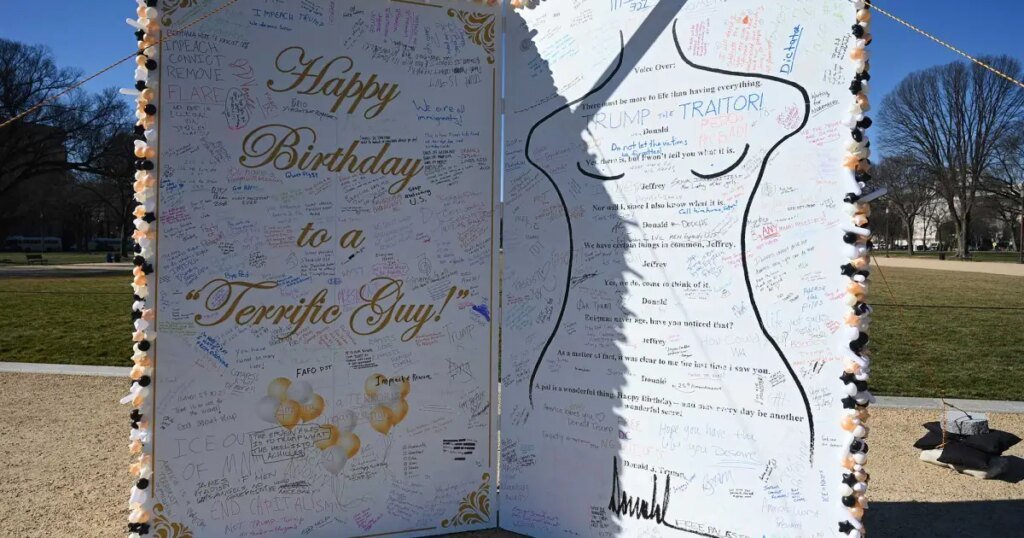
- The Wall Street Journal has filed a motion to dismiss Trump’s defamation lawsuit over his birthday card to his pal Jeffrey Epstein. No ruling yet, but it’s hard to imagine this one not getting tossed, particularly as more damning information is unearthed in the Epstein files.
- The BBC will likely be filing a motion to dismiss Trump’s defamation suit for its production of a documentary about January 6. There are a host of legal hurdles Trump will have to overcome to keep this one alive.
A service called PACER collects data on cases filed in federal courts across the country. A quick look reveals 17 civil cases Trump has filed in the Southern District of Florida alone. That sounds kind of “habitual” and “persistent” to me.
The federal vexatious litigator statute allows the court to impose sanctions on a case by case basis for vexatious conduct. But Trump is lucky he’s not in Ohio. That statute allows a court to ban a vexatious litigator from instituting legal actions in any Ohio courts. It’s sort of an “enough is enough” statute. Maybe Congress should consider it.
Jack Greiner is a Cincinnati attorney. He represents Enquirer Media in First Amendment and media issues.