Published on
December 3, 2025
As December rolls in, a powerful weather system is wreaking havoc across several countries worldwide. South Korea, the United States, Canada, the United Kingdom, Scotland, Austria, and Poland are all battling a mix of snowstorms, cold waves, and travel disruptions. From the first snowstorm of 2025 in South Korea to the relentless snow in the United States and Canada, and winter warnings in Europe’s key tourist destinations, these countries are grappling with some of the worst winter conditions in recent years.
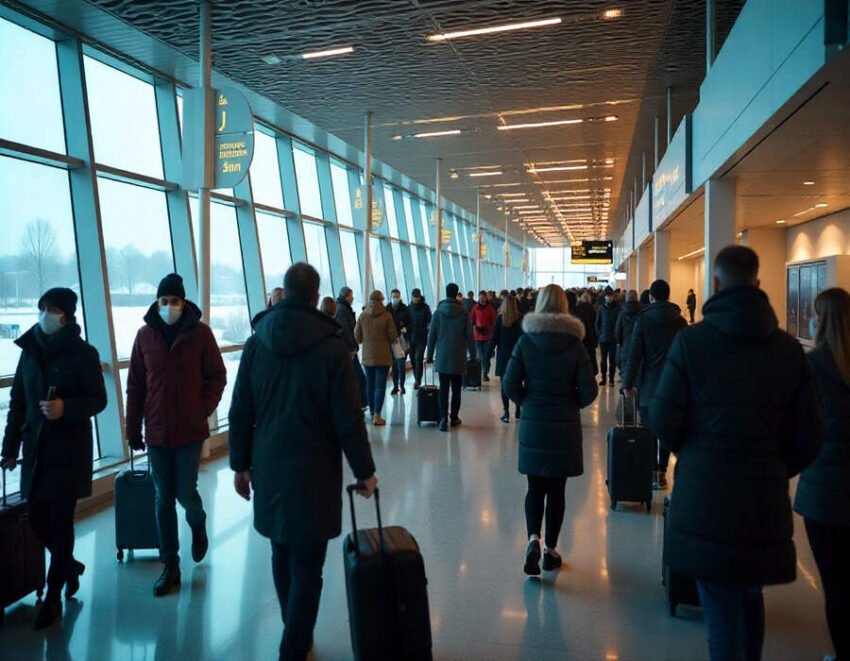
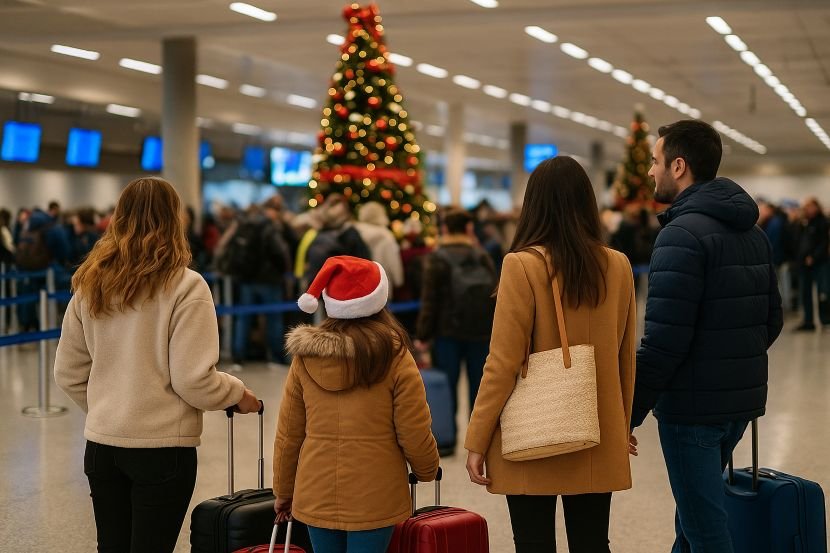
This global weather chaos is not only impacting daily life but is creating significant challenges for travelers. Delays, cancellations, and hazardous conditions have become the norm in these regions, leaving tourists and locals alike to adjust their plans for a safe journey. Below is an overview of the weather alerts and how travelers can navigate these disruptions.
South Korea: First Snowstorm of 2025 and a Sudden Cold Wave
Seoul Braces for Snow and Freezing Winds
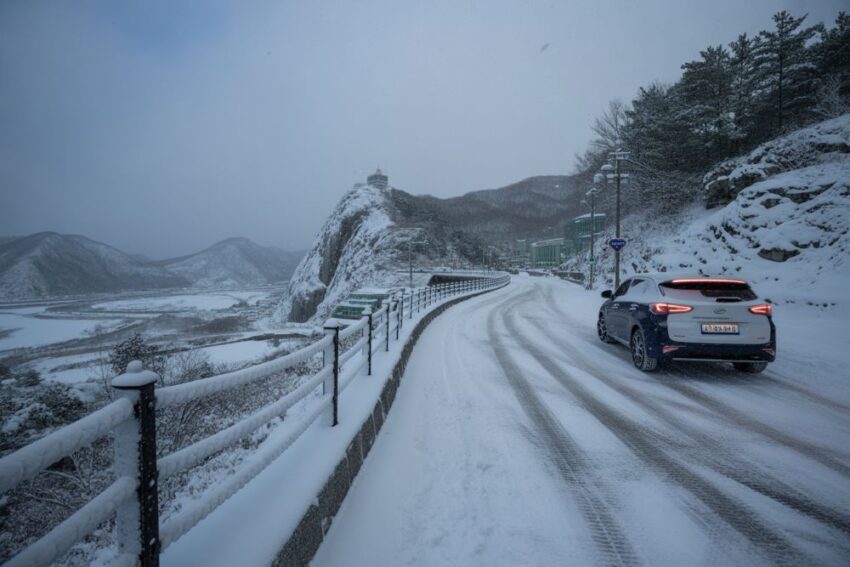
South Korea is experiencing its first snowstorm of the season, with a cold-wave advisory issued for the capital, Seoul, and other provinces. The Korea Meteorological Administration (KMA) has warned of temperatures plummeting to as low as -8°C, with wind chills making it feel even colder. The western coastal regions, including Incheon and the surrounding areas, are bracing for up to 8cm of snow.
Impacts on Travel and Transportation
For travelers, the conditions are expected to bring significant disruptions. Roads are becoming treacherous, and public transportation may face delays. Visitors planning to explore popular tourist attractions in Seoul, such as Gyeongbokgung Palace or the Bukchon Hanok Village, should be aware that icy sidewalks and snow-covered roads may hinder access.
The cold wave is expected to last for several days, with continued snowfall in the west. Tourists should stay updated on the latest weather forecasts and check with transportation services for any cancellations. It’s also essential to dress in layers, wear waterproof footwear, and be cautious when traveling in icy conditions.
United States: Snowstorms and Frigid Temperatures Across the Northeast and Midwest
A Major Winter Storm Hits the Midwest and Northeast
A powerful winter storm is sweeping across the United States, with more than 16 million people under winter storm warnings. This storm is expected to impact areas from the Great Lakes to the Northeast and Midwest, with heavy snow, ice, and freezing temperatures expected to disrupt daily life and travel.
Travel Disruptions: Flight Delays and Road Hazards
The snowstorm has already started to affect major airports like Chicago O’Hare and New York’s LaGuardia, with flights delayed or canceled. Road conditions are deteriorating in many parts of the affected regions, particularly in Michigan, New York, and Pennsylvania, where up to 12 inches of snow are expected.
Travelers should take necessary precautions when traveling to and within these regions. Flights are expected to face significant delays, so travelers should monitor their airlines for updates. If driving, it’s advisable to stay off the roads during the storm, especially on highways that are prone to snow and ice buildup.
For those traveling by rail, delays are expected as well. Amtrak has issued warnings for potential disruptions to its services in the Northeast and Midwest. It’s crucial to allow extra time for travel and consider delaying or rescheduling trips if possible. Keep a travel emergency kit on hand, including blankets, food, and water, in case of prolonged delays.
Canada: Snow, Ice, and Cold Fronts Across the Country
Winter’s Grip on Central and Northern Canada
Canada is facing one of its harshest winters in recent memory, with much of the country under snow and cold alerts. A deep Arctic air mass has gripped central and northern Canada, pushing temperatures down to -20°C in some areas. Snowfall accumulations are expected to reach up to 15 inches in some provinces, particularly in Ontario, Quebec, and the Prairies.
Airports and Highways Affected by Severe Weather
Airports in Toronto, Montreal, and Vancouver are experiencing flight disruptions due to snowstorms. Major highways are being affected by icy conditions, and there have already been reports of accidents in Quebec and Ontario as travelers struggle to navigate slippery roads.
Travelers in Canada should be prepared for both the extreme cold and potential snowstorms. If you’re heading to ski resorts in areas like Whistler or Banff, expect crowded conditions as tourists flock to these winter hotspots. However, road access may be hindered due to snow buildup and icy conditions. Make sure your car is equipped with winter tires and carry an emergency kit with blankets, food, and a flashlight.
For those flying into or out of Canada, keep a close eye on your flight status as delays and cancellations are common in bad weather. It’s advisable to have travel insurance that covers weather-related disruptions.
United Kingdom: Freezing Cold and Snow in Scotland and the North
Scotland Faces Heavy Snow and Ice
In the United Kingdom, winter has arrived with a vengeance. A cold snap has descended across Scotland, with snow already covering parts of the Highlands and Central Belt. Snowfall of up to 7cm is expected in these regions, while the southern UK is experiencing a mix of rain and strong winds.
Transport Disruptions Across Scotland and Northern England
Travel disruptions are already being reported in Scotland, with delays to flights, trains, and ferries. Edinburgh and Glasgow have seen significant snowfall, making travel on foot and by car difficult. The UK’s National Rail has issued warnings for delays in the north, particularly on routes heading into Scotland, as well as possible train cancellations due to the icy conditions.
Travelers in Scotland should prepare for slippery sidewalks and difficult driving conditions, especially in rural areas or highland regions. It’s essential to check local weather reports before venturing out, as snow and wind can make outdoor attractions, such as hiking trails, dangerous.
Scotland: Snowfall and Freezing Temperatures Set to Cause Travel Delays
Snowfall Hits the Highlands and Central Belt
Scotland is enduring some of the heaviest snowfall seen in years. The central and northern regions are facing temperatures as low as -5°C, with snow accumulating rapidly. High winds in coastal areas are expected to exacerbate the cold, leading to a wind chill factor of -12°C in some places.
Winter Travel Challenges in Scotland
The Scottish government has issued a snow and ice warning for much of the country, urging travelers to be cautious. Roads are expected to be slippery, and disruptions to public transport are likely. Flights to and from Scottish airports, including Glasgow and Edinburgh, may experience delays due to weather conditions.
Travelers in Scotland should prepare for delays and potential road closures. Make sure to pack appropriately for the cold weather and take extra care when walking or driving on icy surfaces.
Austria: Alpine Regions Hit by Heavy Snow and Cold Weather
Alpine Snowfalls Create Ideal Conditions for Skiers
Austria, famous for its stunning Alpine resorts, is bracing for heavy snow and cold temperatures as winter takes hold. The Alps are already experiencing substantial snowfall, with ski resorts reporting up to 30cm of new snow in just 24 hours. This has caused an influx of winter tourists eager to hit the slopes, but it has also led to challenging conditions for transportation.
Winter Sports and Road Travel Disruptions in Austria
The Austrian government has issued warnings for snow and icy conditions on mountain roads, and travelers should be cautious when driving in these areas. The snow and ice are also affecting public transportation, with potential delays to train services in some regions. Ski resorts in the Alps are seeing heavy snow, providing excellent conditions for winter sports, but those traveling to these areas should expect crowded conditions and possible delays due to snow accumulation on the roads.
Poland: Snowstorm Causes Chaos Across Central Europe
Poland Faces Severe Snowstorm and Cold Weather
Poland is experiencing a severe winter storm, with heavy snowfall expected to continue throughout the week. The central and northern regions are being hit the hardest, with snow accumulation of up to 20cm in some areas. The storm is already affecting transportation in major cities like Warsaw and Gdansk, with delays reported at airports and on the roads.
Travel Warnings and Disruptions in Poland
The Polish government has issued snow and ice warnings for the entire country, urging travelers to stay off the roads if possible. Snowplows are working to clear the highways, but many smaller roads are likely to remain covered in snow and ice for the duration of the storm. Travelers should expect delays in air, rail, and bus services.
For tourists in Poland, it is essential to check the latest weather updates and remain flexible with their travel plans. Major attractions may still be accessible, but outdoor tours and activities could be affected by the snow and cold weather.
What Travelers Need to Know: Tips for Navigating Winter Chaos
- Monitor Weather Updates: Stay informed about the latest weather warnings from official sources like national meteorological agencies (e.g., KMA, NWS, Met Office).
- Allow Extra Time for Travel: Snowstorms and freezing conditions can cause significant delays at airports, on the roads, and on public transport. Always allow extra time for travel and keep an eye on your flight or train status.
- Prepare for the Cold: Dress in layers and wear appropriate winter clothing, including waterproof boots and gloves. If driving, ensure your vehicle is equipped with snow tires and an emergency kit.
- Stay Flexible: Winter weather is unpredictable. Be prepared to adjust your travel plans and have backup options in case of delays or cancellations.
Conclusion: Global Winter Challenges for Travelers
As snowstorms, cold waves, and freezing temperatures grip South Korea, the United States, Canada, the United Kingdom (and Scotland), Austria, and Poland, travelers across these regions must prepare for the challenges posed by winter weather. From flight cancellations and icy roads to hazardous snow and cold conditions, these countries are all facing disruptions that could impact tourists’ plans.
By staying updated on weather reports, packing appropriately for the cold, and allowing extra time for travel, tourists can navigate these winter conditions and still enjoy their trips. However, flexibility and preparedness are key as this winter weather shows no signs of easing anytime soon. Whether heading to ski resorts in Austria or exploring the historic sites of Scotland, travelers must take the necessary precautions to stay safe and make the most of their winter adventures.