Published on
February 23, 2026

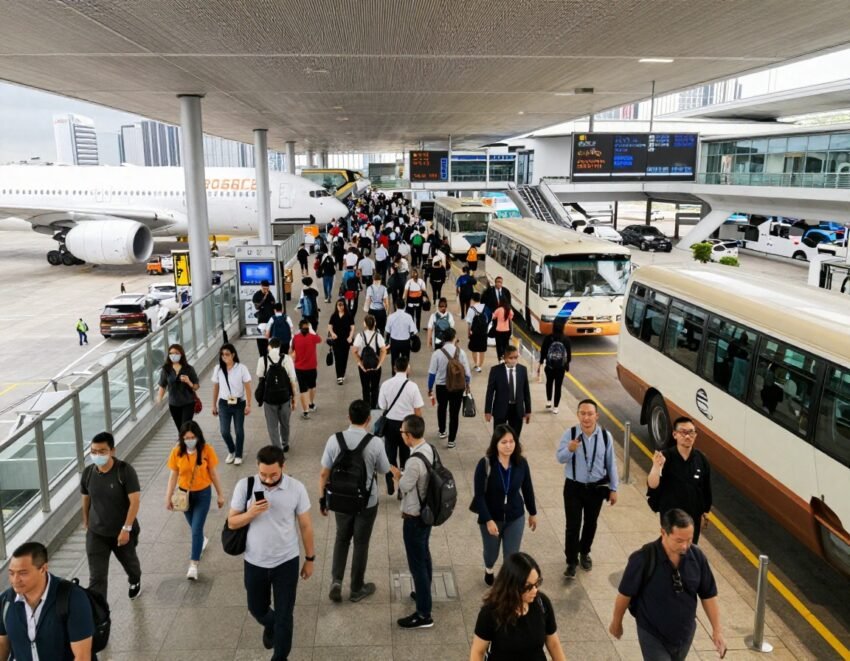
Image generated with Ai
South Korea, China and the United States are leading a fresh surge of international travel to Vietnam as Da Nang’s Golden Bridge earns global spotlight once again after being ranked fourth among the world’s 19 most beautiful bridges by London-based Time Out in 2026, a recognition that is already translating into measurable growth in airline bookings and hotel demand. Official tourism figures show Vietnam welcomed more than 21 million international visitors in 2025, marking a strong rebound year, with South Korea and China remaining the two largest source markets and the United States ranking among the top long-haul contributors. Da Nang, one of the country’s fastest-growing coastal destinations, has reported sharp increases in international arrivals alongside expanded flight connectivity, including new and restored international routes and increased frequencies through carriers such as Emirates, Vietnam Airlines and Scoot. The Golden Bridge, perched high in the Ba Na Hills and celebrated globally for its dramatic architectural design, has become a defining image of modern Vietnamese tourism, reinforcing Da Nang’s transformation from a regional beach city into a globally recognized travel hub. With international flight volumes rising and hospitality revenues climbing in 2025, the 2026 Time Out accolade arrives at a pivotal moment, amplifying global curiosity and positioning Da Nang as one of Asia’s most talked-about destinations for travelers seeking iconic landscapes, seamless air access and world-class resort experiences.
South Korea Joins China, the United States, Japan, Australia, India, Taiwan, Malaysia, Singapore and the United Kingdom as Emirates, Vietnam Airlines and Scoot Expand Capacity to Meet Surging Demand for Da Nang After Golden Bridge’s Time Out 2026 Ranking
Da Nang has entered 2026 with renewed global momentum after London-based Time Out ranked its iconic Golden Bridge fourth among the world’s 19 most beautiful bridges. The recognition is more than symbolic. It is translating into measurable aviation growth, hotel bookings, and stronger international visibility for Vietnam’s central coastal hub. Tourism authorities confirm that Da Nang has experienced sustained international visitor growth throughout 2025, supported by expanded air connectivity and rising global media exposure. For travelers, this means more flights, improved access, and a broader choice of hotels and resort experiences.
The Golden Bridge, located in the Ba Na Hills mountain complex approximately 1,400 meters above sea level, has been one of Vietnam’s most photographed attractions since opening in 2018. The 150-meter pedestrian structure, held aloft by sculpted stone hands, was designed as a mountaintop experience rather than a river crossing. Its cinematic setting has consistently drawn global attention, previously earning features in major international travel publications. The 2026 Time Out ranking reinforces its status as a flagship tourism asset for Da Nang and Vietnam.
China, United States, Japan, Australia, India, Taiwan, Malaysia, Singapore and United Kingdom Travelers Power International Arrivals Growth in Vietnam
Vietnam’s tourism recovery accelerated significantly in 2025. Official national tourism data show international arrivals surpassed 21 million visitors in 2025, marking strong year-on-year growth and a return to pre-pandemic momentum. China and South Korea remain the two largest source markets, followed by Taiwan, the United States, Japan, India, Australia and Southeast Asian countries including Malaysia and Singapore. European markets, including the United Kingdom, are also strengthening due to improved visa policies and wider airline connections.
Advertisement
Advertisement
For Da Nang specifically, international overnight arrivals climbed sharply in 2025, with millions of foreign visitors recorded in the first half of the year alone. South Korea stands out as a leading market for the city, supported by dense air connectivity and frequent direct services. Tourism authorities in Da Nang have publicly confirmed welcoming over one million Korean visitors in 2025, highlighting the strength of this route network.
Emirates, Vietnam Airlines and Scoot Strengthen Da Nang Connectivity as Airline Competition Intensifies
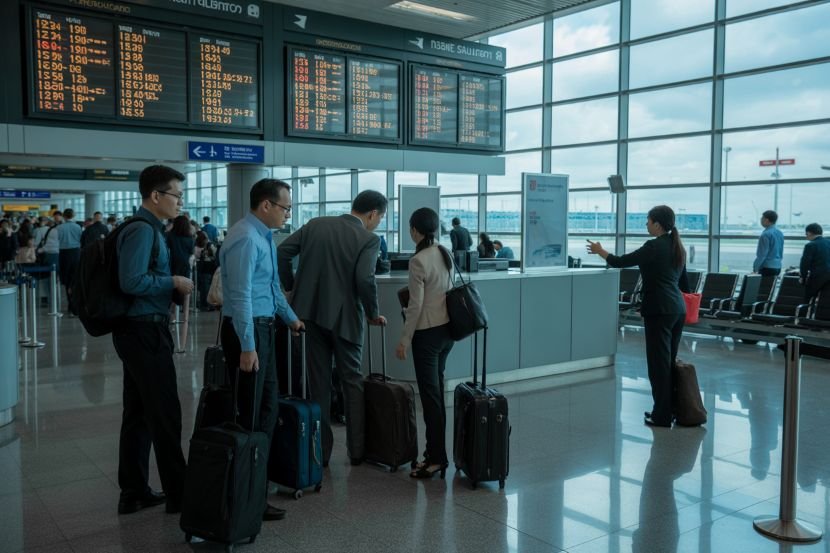
Airline capacity into Da Nang expanded notably in 2025. Da Nang International Airport handled more than 48,000 flights during the year, including over 20,000 international services. Average daily international flight frequencies rose steadily compared to 2024. The entry and expansion of carriers such as Emirates and Scoot have broadened connectivity beyond traditional Northeast Asian markets.
Emirates launched services linking Da Nang via Bangkok, integrating the city into its global long-haul network. This provides one-stop access from Europe, the Middle East, and North America. Vietnam Airlines continues to operate strong domestic and regional routes connecting Hanoi, Ho Chi Minh City, Seoul, Tokyo, and other Asian hubs. Scoot and other low-cost carriers strengthen affordability and short-haul leisure access from Singapore and surrounding Southeast Asian markets.
The Korea–Da Nang corridor remains particularly dynamic. Multiple airlines operate direct flights, with weekly frequency reaching well over one hundred services. This high-frequency model supports both leisure group tours and independent travelers seeking short beach-and-mountain breaks.
For travelers, expanded airline competition often translates into better fare options, improved seat availability during peak seasons, and more flexible itinerary planning.
Marriott, InterContinental and Accor Benefit as Hospitality Sector Sees Revenue Growth in 2025
The airline expansion feeds directly into Da Nang’s hospitality ecosystem. Local tourism revenue reports indicate strong double-digit growth in accommodation, food services and travel-related spending in 2025. International visitors typically stay multiple nights, combining beach resorts, Ba Na Hills excursions, and nearby heritage sites such as Hoi An.
Major global hotel brands have maintained or expanded their presence in Da Nang. Marriott International operates multiple properties across different price tiers. InterContinental continues to attract luxury travelers along the Son Tra Peninsula coastline. Accor manages a portfolio including Pullman and Novotel properties catering to business and leisure markets.
Higher international arrivals translate into stronger occupancy rates and greater ancillary spending in restaurants, spas and tour services. Hospitality groups also benefit from experiential tourism demand, as travelers seek curated mountain sunrise visits, private cable car access packages, and bundled resort transfers to Ba Na Hills.
Golden Bridge Recognition Reinforces Da Nang’s Brand as an Icon-Led Destination
Destination branding experts frequently describe iconic architecture as a catalyst for sustained tourism growth. Golden Bridge fits this model. It provides a visually distinctive landmark that immediately differentiates Da Nang from other coastal cities in Asia. Combined with beach infrastructure, culinary offerings, and heritage tourism nearby, the city presents a multi-layered experience.
The 2026 Time Out recognition arrives at a strategic moment. Vietnam has extended visa policies for many nationalities, including longer validity periods for electronic visas. This improves accessibility for long-haul travelers from the United States, Australia, and Europe. Simplified entry processes make Da Nang more competitive against regional rivals.
What Travelers Need to Know Before Visiting Golden Bridge in 2026
Golden Bridge is located within the Ba Na Hills resort complex. Access is via one of the world’s longest cable car systems. Round-trip cable car tickets are required for entry to the bridge area. Travelers should plan early arrival, particularly during peak tourist months, to avoid queues and maximize photography opportunities.
Weather at elevation can shift quickly. Morning fog is common and often enhances the dramatic scenery. However, travelers should carry light jackets due to cooler mountain temperatures compared to coastal Da Nang.
Booking accommodations in advance is recommended during high-demand periods, especially when international flight arrivals peak during summer and major holiday seasons across South Korea, China, and Japan.
Flight Routes and Travel Planning Insights for International Visitors
Travelers from South Korea can choose from multiple direct services connecting Seoul and Busan to Da Nang. Flight times average approximately four to five hours. From Japan, direct services from major hubs such as Tokyo and Osaka operate seasonally or regularly depending on demand.
Visitors from Singapore and Malaysia benefit from short regional flight times of under three hours. Scoot and other carriers offer competitive pricing options. Emirates’ Bangkok-linked service enables connectivity from Europe and the Middle East with streamlined transfers.
U.S. travelers typically connect via Seoul, Tokyo, Taipei, or Southeast Asian hubs. Expanded interline partnerships between major airlines facilitate smoother long-haul itineraries.
Australian travelers often route through Singapore, Kuala Lumpur, or other Asian transit points. The strong network connectivity in 2025 makes multi-stop itineraries across Vietnam increasingly convenient.
Hospitality Trends: Luxury, Mid-Range and Experience-Driven Growth
Da Nang’s hospitality market has diversified significantly. Luxury beachfront resorts attract high-spending travelers from Australia, the United States and Europe. Mid-range hotels and boutique properties appeal to younger Asian markets, particularly South Korea and Taiwan.
Experience-driven tourism is reshaping hotel offerings. Properties now promote integrated packages combining Golden Bridge visits, culinary tours, spa treatments, and cultural excursions. This holistic model increases visitor spend while extending average length of stay.
Restaurant revenues have also grown, reflecting rising demand for Vietnamese cuisine experiences. From beachfront seafood dining to rooftop lounges overlooking the Han River, Da Nang’s hospitality scene complements its architectural landmark appeal.
Why the Golden Bridge Ranking Matters Beyond Tourism Headlines
The fourth-place ranking by Time Out is not merely symbolic recognition. Global media visibility influences travel decision-making. When international publications highlight a destination, search interest typically increases, followed by bookings.
Airlines monitor such signals closely. Strong destination branding supports route viability assessments. Hotels respond by adjusting pricing strategies and marketing campaigns to capitalize on demand spikes.
For Da Nang, the recognition supports long-term positioning as a creative tourism hub rather than solely a beach resort city. The city’s combination of mountain landscapes, coastline, infrastructure investment and iconic architecture forms a balanced tourism portfolio.
The Future Outlook for 2026 and Beyond
Industry forecasts suggest continued growth in Northeast Asian arrivals, particularly from South Korea and China. Southeast Asian regional travel remains resilient. Long-haul markets such as the United States, Australia and the United Kingdom are expected to grow steadily as connectivity improves and visa policies remain supportive.
Airline seat capacity expansion into Da Nang signals confidence in sustained demand. Hospitality investment trends indicate ongoing upgrades and new property developments. The synergy between aviation growth and iconic destination branding positions Da Nang strongly within Asia’s competitive tourism landscape.
For travelers, the message is clear. Da Nang is more accessible than ever. The Golden Bridge continues to captivate global audiences. Airlines are increasing seats. International hotel brands are expanding offerings. And Vietnam’s central coast is stepping confidently onto the global tourism stage.
With international arrivals to Vietnam surpassing 21 million in 2025 and airlines expanding routes into Da Nang, the global spotlight is rapidly turning this coastal city into one of Asia’s hottest travel destinations.
As 2026 unfolds, Da Nang’s Golden Bridge stands not only as a striking architectural landmark but as a catalyst driving airline bookings, hospitality growth, and renewed international interest from South Korea, China, the United States, Japan, Australia, India, Taiwan, Malaysia, Singapore and the United Kingdom.