Rapacious speculators had shorted currencies such as the Thai baht, the Indonesian rupiah and the Korean won and had profited handsomely. The contagion looked like it would also bring the Hong Kong dollar to its knees. As storytellers from the era have recalled, that sweltering month of August, the “wolves” were at the gates.
International hedge funds had launched a lethal “double play” – simultaneously shorting the Hang Seng Index and dumping the Hong Kong dollar. They were betting that the de facto central bank’s rigid rules would force interest rates to stay so high that the stock market would collapse, handing them a billion-dollar payday.
For two weeks, the city’s financial leadership sat cloistered in a high-stakes war room. The decision they faced was an ideological heresy: should a “laissez-faire” government intervene directly in the stock market?
With absolute secrecy and the “firepower” of the Exchange Fund, they orchestrated a defensive manoeuvre. Three of the largest stockbrokers were invited to breakfast at the China Club in Central and sworn to secrecy as they were tasked to buy on the authority’s behalf.
The HKMA unleashed its spending power over 10 days. Finally, on a single Friday, it absorbed an avalanche of sell orders, spending HK$79 billion in five hours to break the speculators’ backs.
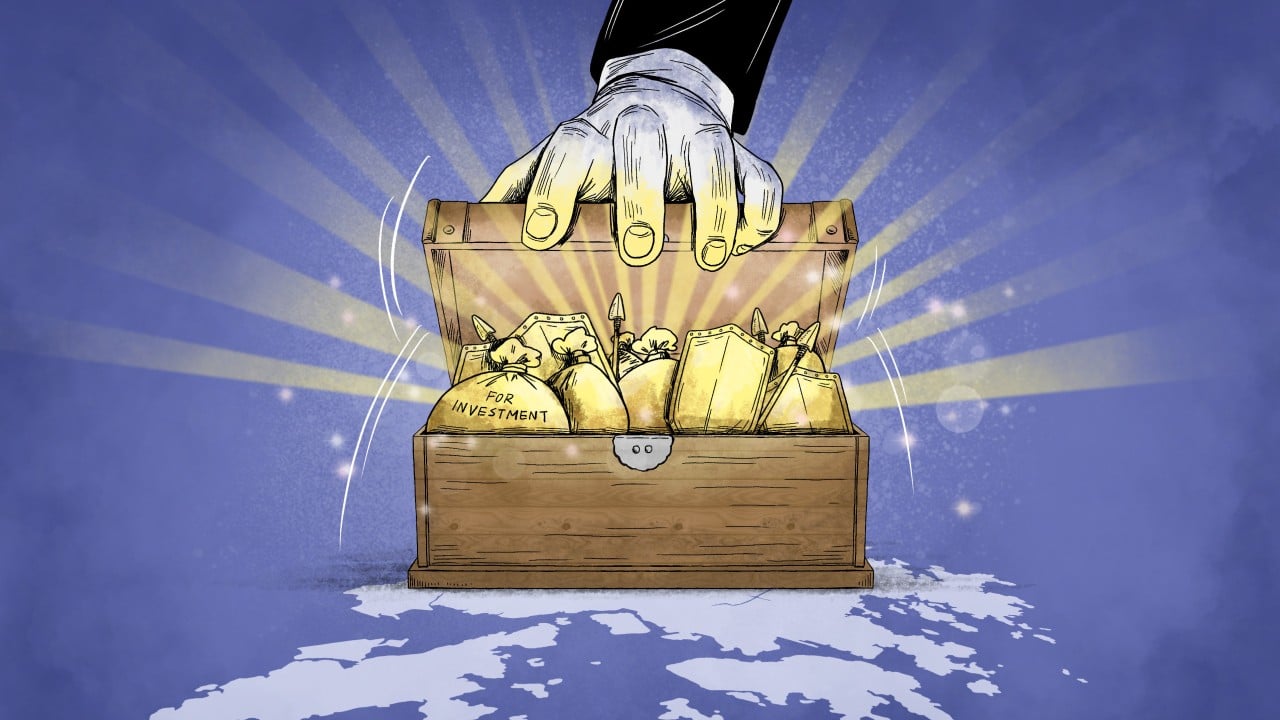
That “August war” cost HK$118 billion in total, but it bought something more valuable – a reputation for the Exchange Fund as the city’s ultimate, untouchable “war chest”.