Samsung has announced its latest mid-range phones in the form of the Galaxy A57 and Galaxy A37. Coming in the wake of the later-than-expected Galaxy S26 models, I got my hands on the Galaxy A57 ahead of launch. With many people feeling the squeeze on their personal finances, one of these models could be the answer.
The reality is that Samsung’s Galaxy A models outsell the Galaxy S by about a factor of four. While Galaxy S provides larger margins for Samsung, Galaxy A is where the volume sales happen. It’s Galaxy A that props up Samsung’s position as a leader in global smartphone sales.
Has Samsung found the magic formula, with the 256GB Galaxy A57 model being £570 cheaper than the similarly-sized Galaxy S26+?
How much is the Samsung Galaxy A57?
The Samsung Galaxy A57 starts at £529 for the 8/256GB model. Those keeping track of Samsung’s mid-range phones will know that this is £30 more expensive that the Galaxy A56 that launched in 2025.
The step-up 12/512GB model is a whopping £699, which feels overpriced – especially as the Galaxy S25 FE can be snapped up for £649 and is higher spec.
The Galaxy A57 is a little more expensive than the Pixel 10a (from £499), which is generally considered to have the best mid-range camera, and is a fair bit cheaper than the iPhone 17e (from £599), which is the affordable Apple phone of choice.
The Galaxy A57 doesn’t compromise on build quality
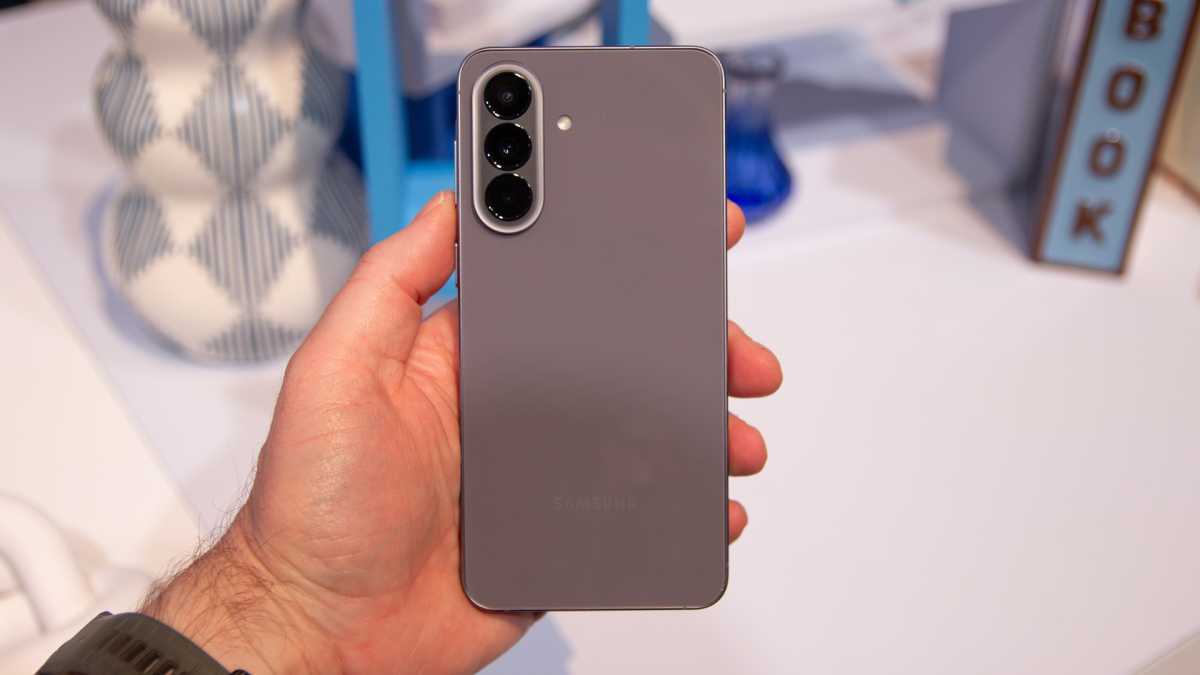
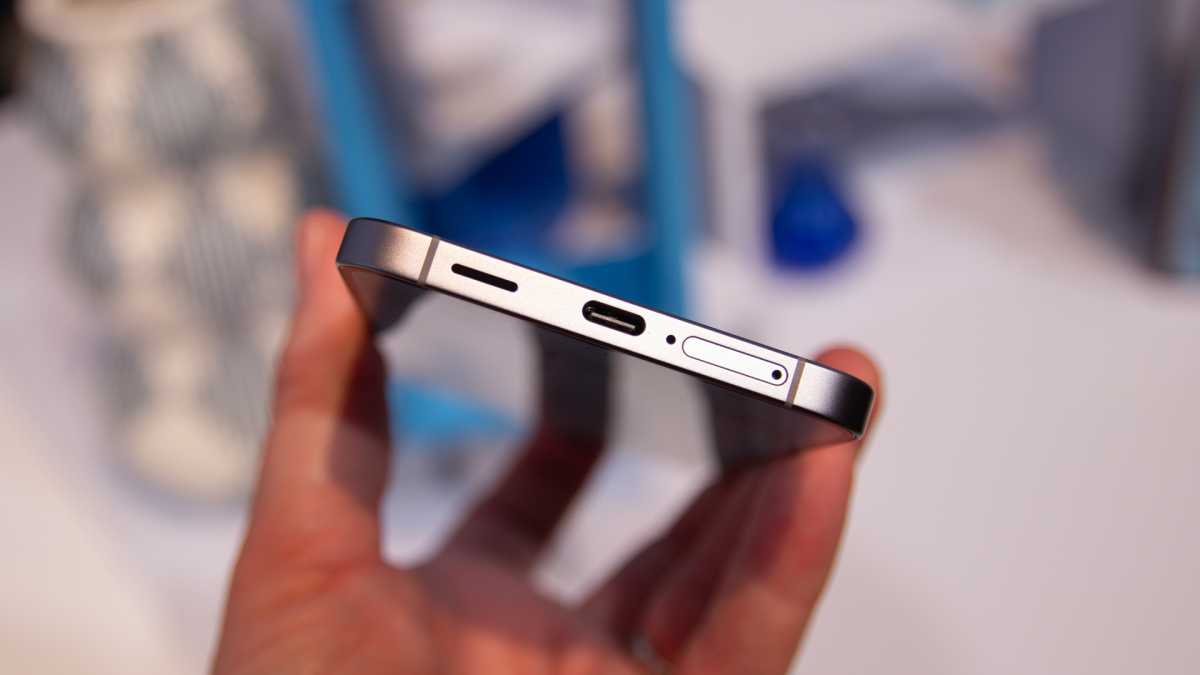
The Galaxy A57 builds on the Galaxy A56, dropping 0.5mm from the thickness, while the phone as a whole is more compact. It’s a process of refinement for Samsung, while keeping the aluminium frame and glass – and boosting the protection to IP68.
Chris Hall / Foundry
It’s protected with a glossy Gorilla Glass Victus+ front and rear, so should offer great scratch-resistance. Unlike the matt finish of the Galaxy S, one of the downsides of having a gloss glass finish is that it’s constantly covered in smeary fingerprints.
There’s nothing that marks the Galaxy A57 as a budget handset
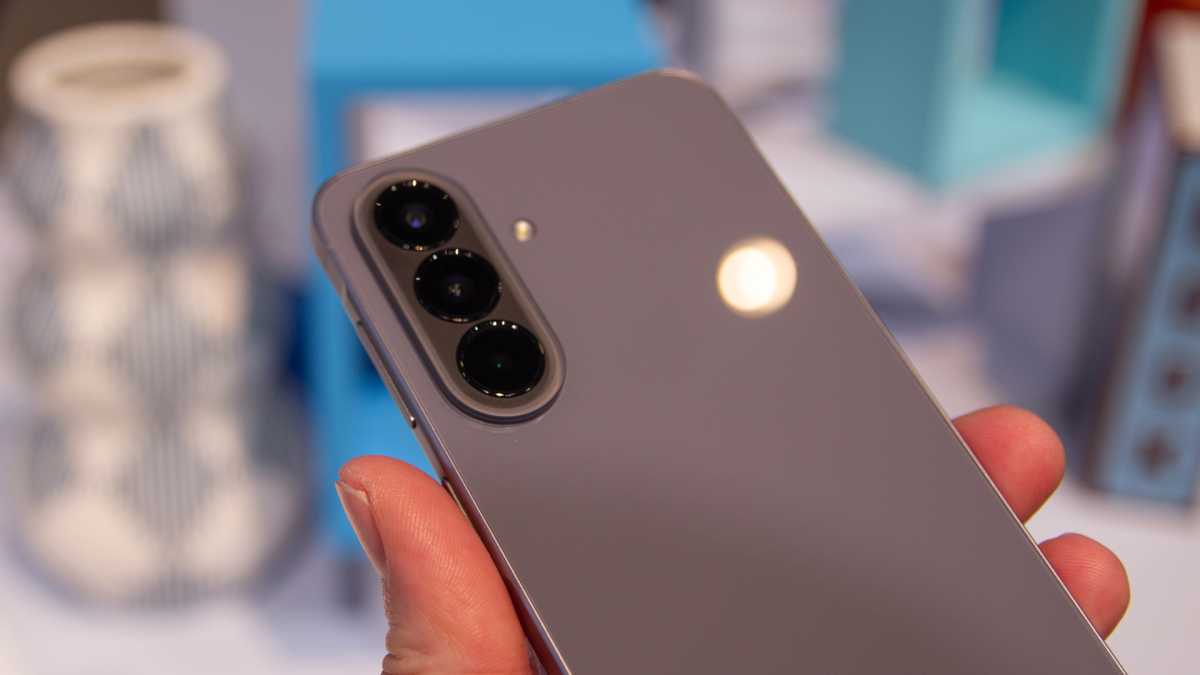
There’s a slight tweak to the camera bump on the rear: where the A56 had a solid island on which the camera lenses sat, it’s now translucent – a minor detail, but it looks great.
With four fresh colours – Awesome Gray, Awesome Navy, Awesome Icyblue and Awesome Lilac – aside from that glossy finish, there’s nothing that marks the Galaxy A57 as a budget handset.
It’s all about the software experience
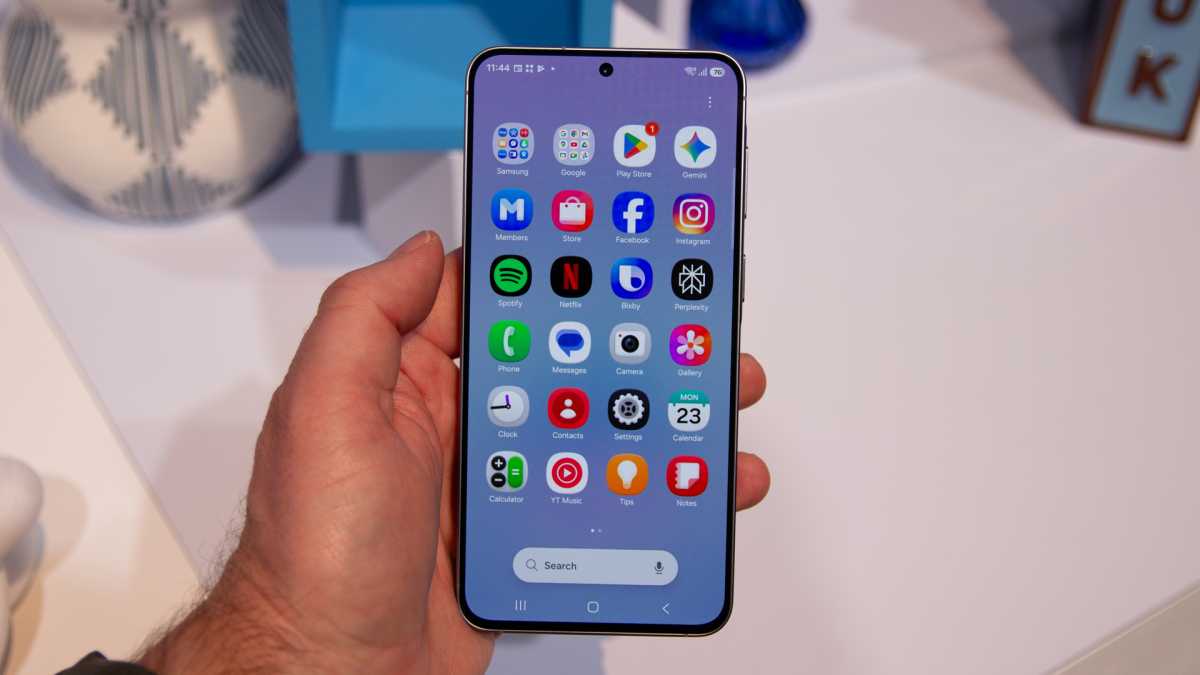
What really defines a Samsung phone, however, is the One UI 8.5 experience. Android users will tell you that Samsung offers the best skin on Android and that really matters in this mid-range segment.
The likes of Honor and Xiaomi (or the Redmi and Poco sub brands) offer more aggressive pricing, with better hardware for the money, but they fall down on the software experience, especially when compared to Samsung.
Chris Hall / Foundry
While Samsung’s One UI includes some duplication of apps, it’s not as spammy as cheaper brands, with less bloatware. It’s a more considered and refined software experience, showing Samsung’s long experience with Android.
An experience that matches the flagship phones in just about all areas
It’s backed by 6 years of updates too, meaning that the Galaxy A57 will be supported for a long time to come. While not all of Samsung’s top AI features make it into its Galaxy A models, you still get Gemini (and the new enhanced Bixby), and a whole lot more.
What that results in is an experience that matches the flagship phones in just about all areas. That’s what the Galaxy A really offers – and that’s core to its appeal in this cheaper segment.
More powerful hardware
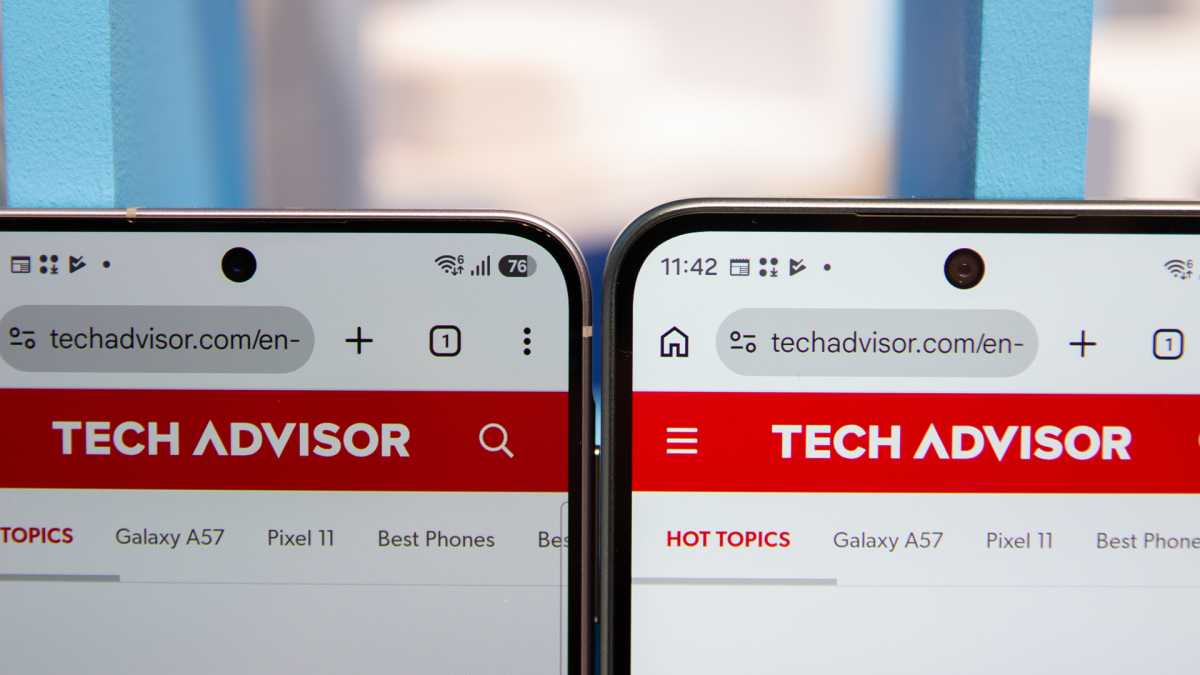
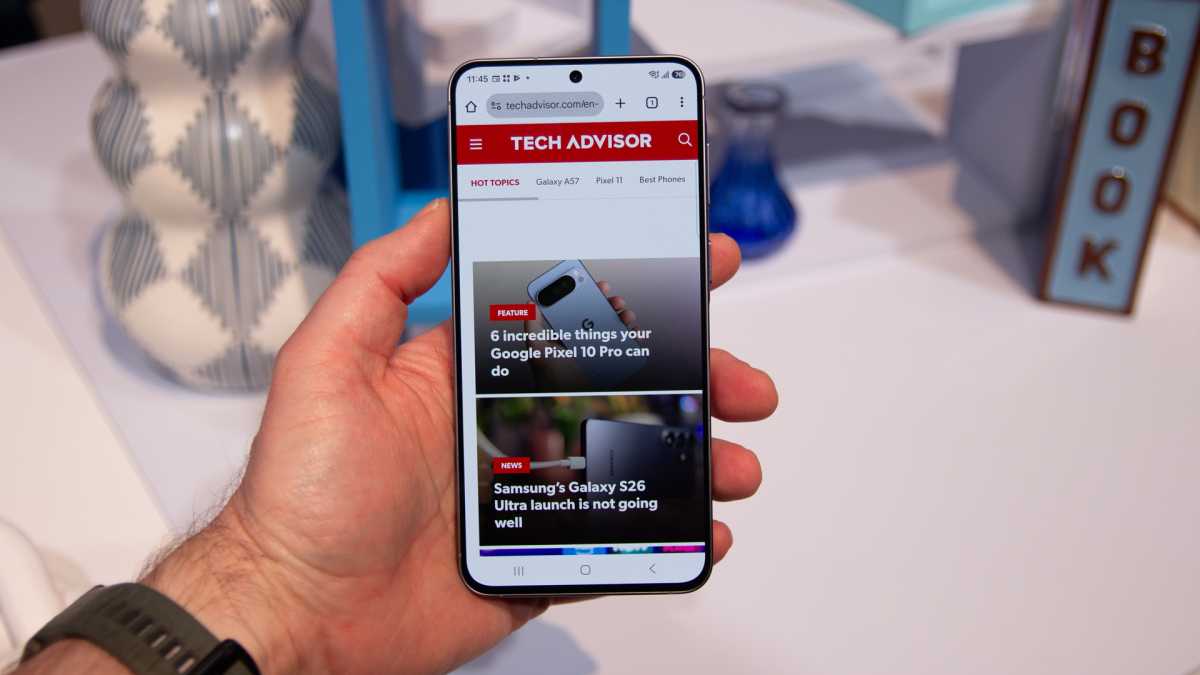
While the 6.7-inch display remains, it has a lovely thin bezel, which helps differentiate it from the Galaxy A37 that it launches alongside. Slimming that bezel alone gives it a much more premium look. The display itself is boosted to 1900 nits brightness, designed to bring a pop to HDR movies and photos.
We compare the Galaxy A37 vs A57 to help you decide
Chris Hall / Foundry
It’s not as bright as many rivals – the Pixel 10a offers 3000 nits, the Motorola Edge 70 Fusion 5200 nits – but I found the display to be nice and vibrant, with rich colours. It’s exactly what you want from a Samsung phone. It’s not as technically capable as the Galaxy S26+, but at half the price, it’s hard to complain.
It’s exactly what you want from a Samsung phone
Powering the phone is the Exynos 1680. This is a step down from the Exynos 2600 or Snapdragon 8 Elite Gen 5 that powers the Galaxy S devices, but this level of hardware has proved itself more than capable in the past.
Chris Hall / Foundry
I didn’t have the chance to test the performance of the new hardware to any great extent, but in the previous phone, we found that in everyday use with the older version of this hardware, it was still fast and responsive. It’s only really gamers and power users who’ll find it can’t quite keep up.
Samsung has expanded the vapour chamber again (as it did on the Galaxy A56) to help cool this hardware and make it a little better at sustained performance. It won’t be a phone for dedicated gamers, but it will run those games well enough for all but the most discerning users.
Chris Hall / Foundry
With a 5000mAh battery – and with charging fast enough to get you to 60% in 30 minutes – there’s every chance it will have better endurance than its sibling flagship devices. Sure, Samsung isn’t offering the huge battery you find in the Honor Magic 8 Lite (7500mAh), but it’s probably going to be a great performer.
Striking the right mid-range balance
I haven’t mentioned the camera, and so often the camera defines what a flagship phone is. Samsung sticks to a triple lens system, with 50Mp main camera, supported by ultrawide and macro lenses.
For anyone who just wants to snap casual pictures, that main camera is likely to deliver decent results, although it’s not exceptional. I didn’t have the chance to test the performance, but Samsung says it’s now smoother when switching lenses and I’d expect it to perform much as it did before.
Chris Hall / Foundry
That rounds out a phone that has much of the experience of Samsung’s top models, but at nearly half the price. While it’s on the expensive side for a mid-range phone, it’s arguably worth paying for that longer software support and the cleaner software experience, because that’s what really matters in a phone.
If you’re not buying the best that Samsung offers – the Galaxy S26 Ultra – then why not save yourself some money and get something that delivers where it matters?