Russia’s oil story has taken a sharp and unexpected turn. What initially looked like a financial lifeline driven by global tensions is now colliding with a new and costly threat from Ukraine, creating ripple effects that extend far beyond energy markets and into the global automotive ecosystem.
When the United States escalated its conflict with Iran and the Strait of Hormuz was effectively disrupted, oil markets reacted instantly. With a significant portion of global supply squeezed, prices surged. For Russia, this presented a rare opportunity.
Its Urals crude, which had been trading at a discount for months, suddenly climbed toward parity with Brent crude. That shift alone promised a major revenue boost for a country that had been grappling with shrinking oil income and rising wartime spending.

For automakers and transport-dependent industries, this surge in oil prices signaled higher fuel costs, increased logistics expenses, and renewed pressure on already strained supply chains. In many regions, higher crude prices quickly translate into higher pump prices, affecting everything from vehicle ownership costs to freight rates.
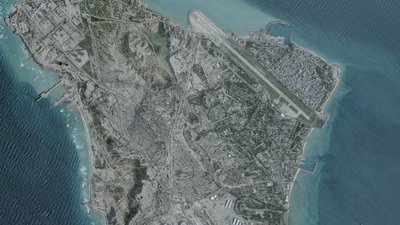
However, just as Russia began to benefit from this price rally, Ukraine introduced a disruptive variable. A series of coordinated drone attacks targeted key Russian export infrastructure, including major ports on both the Black Sea and Baltic Sea. Facilities at Novorossiysk, Primorsk, and Ust-Luga came under repeated strikes, leading to fires, operational shutdowns, and mounting uncertainty.
The scale of disruption is significant. Estimates suggest that roughly 40 percent of Russia’s crude export capacity was offline at one point, marking an unprecedented hit to its oil logistics network. These ports are not minor assets. They handle a substantial share of Russia’s seaborne crude exports, making them critical to the country’s ability to capitalize on high global prices.
From an automotive industry perspective, this creates a complex and somewhat contradictory scenario. On one hand, reduced Russian exports tighten global supply further, which can push oil prices even higher. On the other hand, the instability introduces volatility that complicates planning for manufacturers, suppliers, and logistics providers.
Fuel price volatility is particularly important for automakers. It influences consumer behavior in real time. When fuel prices spike, demand often shifts toward smaller, more efficient vehicles, hybrids, and electric cars. Conversely, prolonged uncertainty can delay purchasing decisions altogether, especially in emerging markets where fuel costs represent a larger share of household income.