Most investors are overlooking a critical detail about the way this semiconductor company’s business works.
It’s been a tough past few months for owners of artificial intelligence (AI) stocks. Microsoft, for instance, is down more than 20% from its October peak. These steep sell-offs are part of a bigger philosophical indictment of the amount of money that big technology companies are spending on AI, and how little of a return many of them are seeing yet.
Not every one of these AI names deserves the pullback they’ve recently experienced, though. One name in particular is likely to bounce back faster than Microsoft shares — or any other recently weak tickers — once more investors realize this. That name is Arm Holdings (ARM +2.39%).
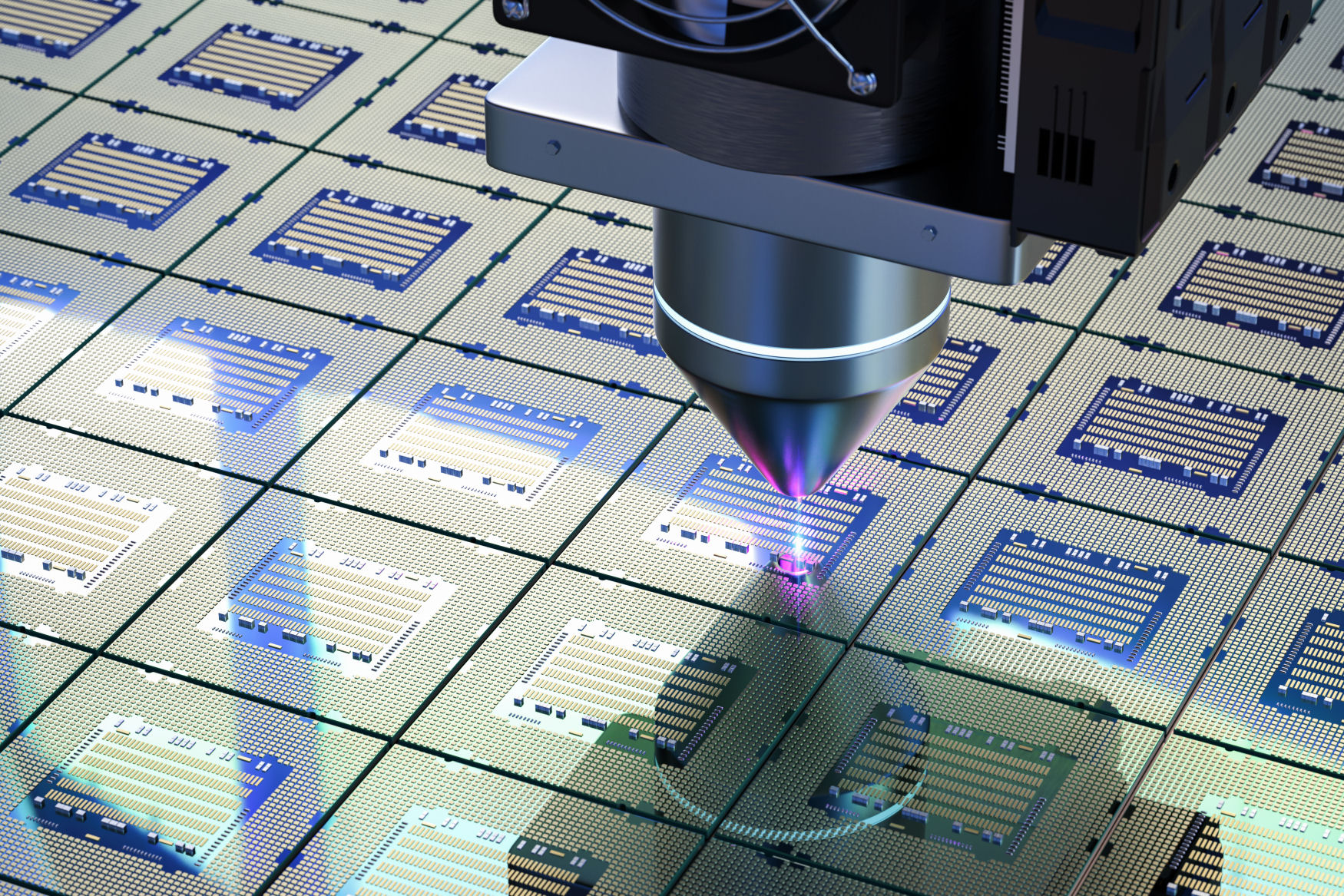
Image source: Getty Images.
Not actually a chipmaker
It’s usually lumped in with the likes of Nvidia, Intel, and Advanced Micro Devices. These semiconductor companies are in the same basic business.
Arm isn’t actually a chipmaker — at least, not yet. It’s a designer of high-performance processors and their corresponding chipsets, known for their amazing power efficiency. That’s why Amazon, Alphabet‘s Google, and Apple have all begun leaning on Arm’s designs more and more lately. Most artificial intelligence computing work consumes a great deal of electricity. Minimizing this power consumption is a big deal.
That’s not quite the reason Arm Holdings shares are poised to recover sooner and more than Microsoft’s and other AI stocks. The key here is the company’s business model.
How Arm makes money
Unlike Intel, Nvidia, and others, the bulk of Arm’s revenue largely comes in the form of licensing fees and royalties. Tech companies pay an upfront licensing fee for the right to make chips with Arm’s intellectual property, and then pay a royalty based on the number of these chips manufactured, sold, or monetized in one way or another. Lately, a little over half of the company’s top line has been made up of royalty revenue.
The detail that isn’t evident yet — but soon will be — is the number and scope of licensing agreements that haven’t yet fully begun producing their corresponding royalties. For instance, although Amazon has long relied on Arm’s chip architecture for its Graviton data center processors, this relationship continues to deepen, with the Graviton 5 unveiled late last year becoming even more of a workhorse for Amazon Web Services.

Today’s Change
(2.39%) $2.92
Current Price
$125.11
Key Data Points
Market Cap
$133B
Day’s Range
$119.95 – $127.41
52wk Range
$80.00 – $183.16
Volume
206K
Avg Vol
5.7M
Gross Margin
94.84%
It’s not just Amazon, however. Google’s Tensor Processing Units, purpose-built for artificial intelligence, are also Arm-based. While technically a couple of years old now, the company’s usage of Arm-designed silicon is now exploding. Ditto for Apple, which has only entered the modern AI race in earnest within the past year or so, largely relying on Arm’s architecture to make it happen. Meta Platforms also now uses Arm Holdings’ designs in its data centers.
Although the amounts, timeframes, and other details of these deals are confidential and likely at least a little bit different than any of the others, the royalty timeframes are typically measured in years.
Realization on the radar
That’s what investors may largely be missing here.
Arm’s stock tumbled after posting disappointing third-quarter licensing numbers, and Q4 guidance fell short of expectations. But these results don’t yet fully reflect all the IP licensing agreements that Arm has yet to be paid for. Nor do they reflect much of the royalty revenue that’s already been arranged but isn’t yet being booked. Its customers are already committed. Their payments should really start flowing this year and increase persistently for several more years.
While analysts only expect top-line growth of 7% for fiscal 2026 ending in March, they’re also looking for revenue growth of more than 23% in the year beginning thereafter.
Investors should start connecting these dots sooner rather than later.