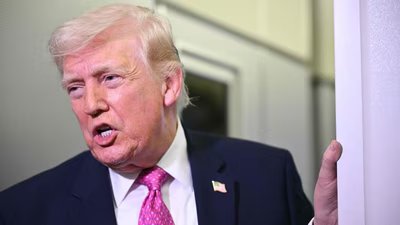
"Chairman of the US Federal Reserve Jerome Powell")
Chairman of the US Federal Reserve Jerome Powell | Image Credit: Bloomberg
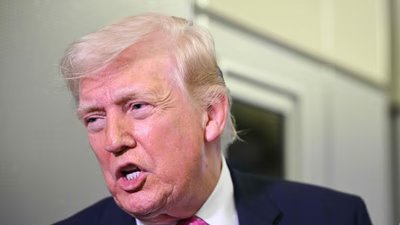
US Federal Reserve Chair Jerome Powell (pictured) on Monday said the US central bank can wait to see how the Iran war affects the economy and inflation, noting that policymakers typically look through shocks such as those from higher oil prices. “We feel like our policy’s in a good place for us to wait and see how that turns out,” Powell said during a presentation to a macroeconomics class at Harvard University.
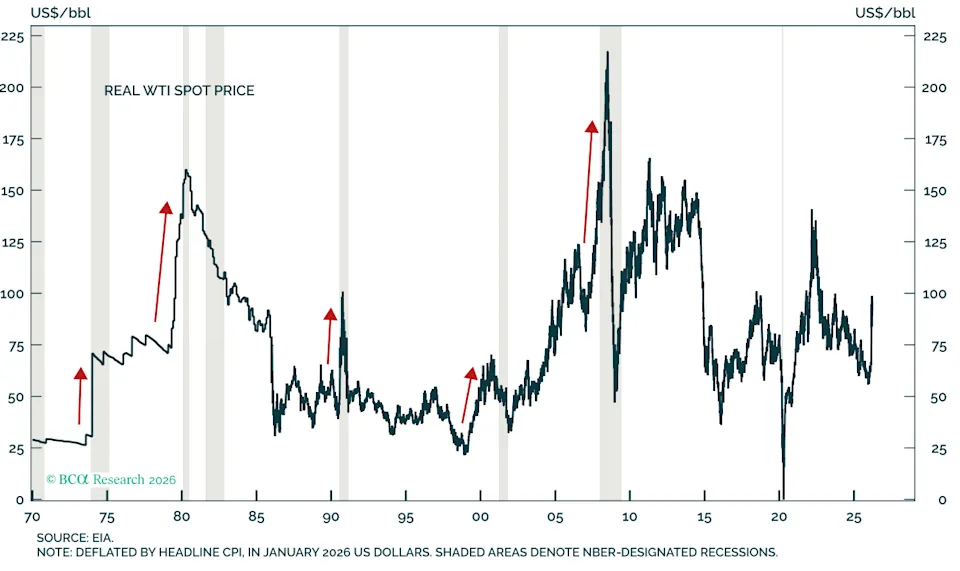
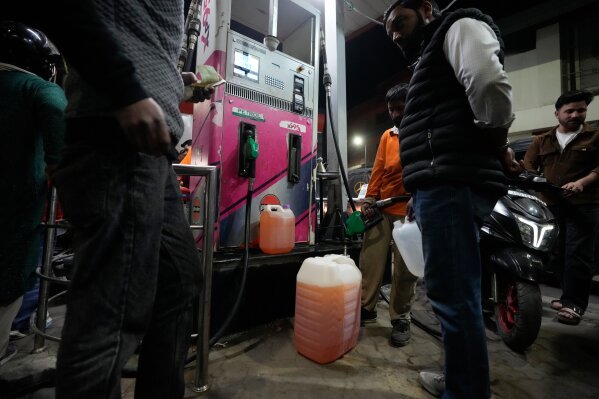
As the Iran war enters its fifth week and US gasoline prices rise to around an average of $4 a gallon, the Fed faces a potential squeeze between its two mandates of full employment and price stability. “Inflation expectations do appear to be well anchored beyond the short term,” Powell said. “But, nonetheless, it’s something that we will eventually maybe face the question of what to do here; we’re not really facing it yet because we don’t know what the economic effects will be, but we’ll certainly be mindful of that broader context when we make that decision.” The Fed left its overnight benchmark interest rate steady in the 3.50 per cent-3.75 per cent range earlier this month.
In a press conference after the meeting, Powell said he would want to see tariff-driven inflation in goods prices subside before even getting to the question of whether the central bank ought to ignore any rise in inflation stemming from the Iran war, or to respond to it with tighter monetary policy to keep inflation from accelerating.
Investors’ inflation concerns since then have contributed to a rise in Treasury yields, and a University of Michigan survey showed a jump in household price expectations in the coming year. Other measures, including a widely watched market-based gauge, have been more sanguine.
First Published: Mar 30 2026 | 10:24 PM IST