Pakistan said on Sunday (March 29, 2026) that it is ready to “host and facilitate meaningful talks” between the United States and Iran to bring an end to the month-long war that has destabilise the region. Outlining growing support for its peace efforts, including from the United Nations and China, Pakistan issued a statement after its Foreign Minister Ishaq Dar held “very productive talks” with Foreign ministers of Saudi Arabia, Egypt and Turkey in Islamabad. In a televised statement, Dar said that the visitors “expressed their full support” for potential US-Iran talks in Islamabad. Batting for “dialogue and diplomacy”, Pakistan said that both Iran and the US have “expressed their confidence” in Islamabad to facilitate the talks.

Pakistan as a mediator
Pakistan is counting on its longstanding links with Tehran and close contacts in the Gulf, as well as the personal rapport that Prime Minister Shehbaz Sharif and the country’s powerful Army Chief, Field Marshal Asim Munir, have struck up with US President Donald Trump in the past few days. Dar and Sharif have held several calls with senior government ministers in Iran, including President Masoud Pezeshkian and Foreign Minister Abbas Araghchi, and were “actively engaged” with the US administration, the foreign minister said. The Pak Foreign Ministry statement also said that Dar spoke to his Chinese counterpart Wang Yi and UN Secretary-General Antonio Guterres, adding that they “fully support” Pakistan’s push for peace, as do other governments around the world.
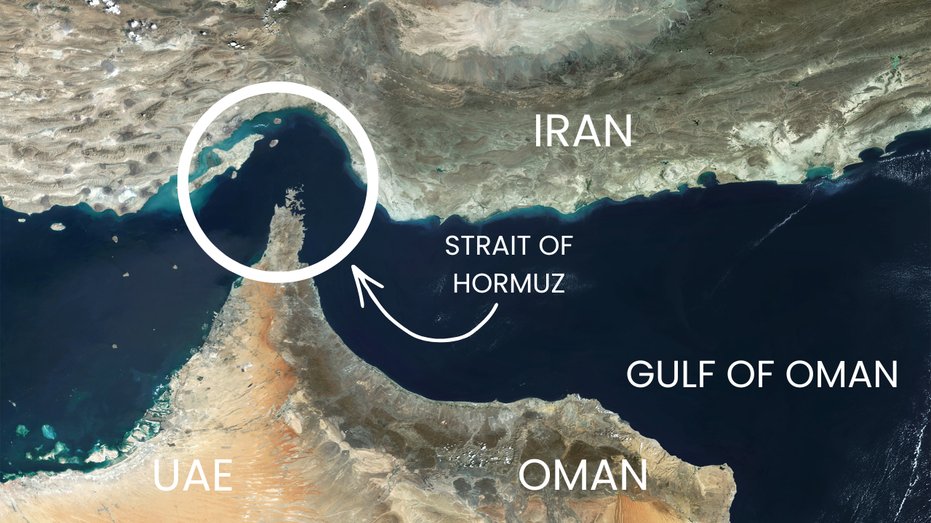
Pakistan’s efforts make economic sense as it relies on oil and gas imports through the Strait of Hormuz. Continued disruption to shipping could worsen fuel supplies, driving up prices and forcing further austerity measures. Iran had allowed 20 more Pakistani-flagged vessels to pass through the Strait after it started the mediation in the war.
Sunday’s talks, held under tight security and with no US, Israeli or Iranian representation, addressed efforts to stop the conflict from spreading and to encourage “a negotiations track” between Tehran and Washington to prevent the region “slipping into a state of complete chaos”, Cairo said.
All three visiting ministers — Badr Abdelatty from Egypt, Hakan Fidan from Turkey, and Saudi Arabia’s Faisal bin Farhan — also met Pak PM Sharif as well as Asim Munir.
How the war began?
The war began on February 28, when the United States and Israel carried out pre-emptive airstrikes across Iran. The subsequent escalation reportedly resulted in the death of Iran’s Supreme Leader Ayatollah Ali Khamenei, triggering a broad Iranian retaliation targeting not just Israel but also US bases across Gulf countries.
Disclaimer: WION takes utmost care to accurately and responsibly report ongoing conflicts in West Asia involving Israel, Iran, US, Gulf nations and non-state actors like Hezbollah, Hamas, Houthis, Islamic State, and others. Claims and counterclaims, disinformation and misinformation are being made online and offline. Given this context, WION cannot independently verify the authenticity of all statements, social media posts, photos and videos.