Asia’s giants are disproportionately exposed to oil transiting through the Strait of Hormuz: Japan gets 90 per cent of its crude from the region, South Korea about 70 per cent. By comparison, China’s energy security strategy – diversifying imports and expanding renewables – has reduced its direct reliance.
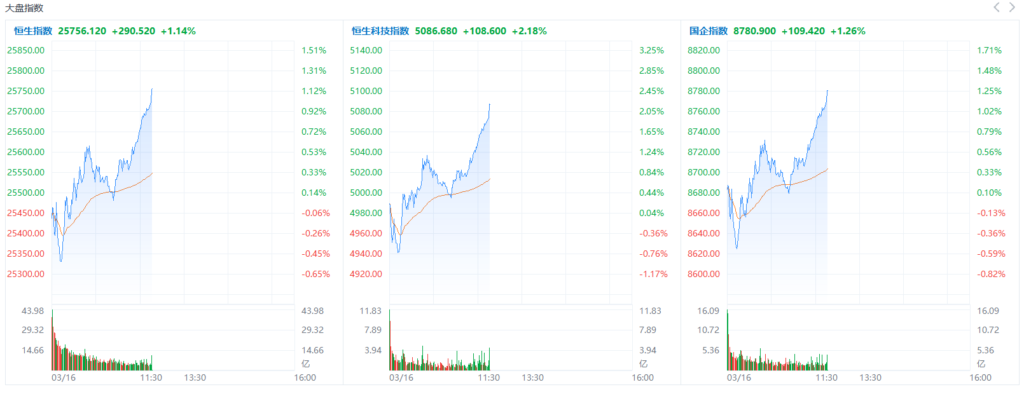
According to the World Bank, imported energy covers just above 20 per cent of China’s consumption. That relative insulation has rippled through markets; stock indices in Japan and South Korea reacted with greater volatility than those in Hong Kong and mainland China.
Hong Kong is a beneficiary of this mainland connection. The city’s 2024 Energy Statistics Report shows that over 80 per cent of its natural gas, LPG, aviation petrol and kerosene imports originate from mainland China. Still, about half of Hong Kong’s total energy import is destined for international bunkering. Any severe disruption – whether through maritime conflict or reassessments of shipping insurance – places our reputation as a global shipping hub at risk.
04:04
How US-Israeli strikes on Iran are sending shock waves through global energy markets
How US-Israeli strikes on Iran are sending shock waves through global energy markets