Oil refiners are enjoying cheaper input prices and higher demand for their products.
Oil refining companies are in a very sweet spot right now. The reason is pretty straightforward: The cost of their inputs has fallen and demand for their end products has increased, along with the prices they can charge.
As a result, refining stocks are soaring in 2026.
|
Stock |
Return Year-to-Date |
|---|---|
|
Valero Energy (VLO +1.59%) |
25% |
|
Phillips 66 (PSX +2.14%) |
25% |
|
Marathon Petroleum (MPC +2.61%) |
28% |
Those are pretty incredible returns considering that the broader S&P 500 index is up just 1.6% so far this year.
An oil glut is keeping crude prices contained
There’s a glut of oil on international markets, sending oil prices lower. In December, there were 1.4 billion barrels of “oil on the water” — i.e., oil being shipped to a port or stored and waiting for a buyer. That was 24% more than the average for December from 2016-2024.
As a result, Brent crude, the global benchmark for oil from Europe, Africa, and the Middle East, is down about 9% over the past year. West Texas Intermediate, the type of oil extracted from oilfields in the U.S., is down almost 11% over that period.
Just as these refiners are enjoying cheaper crude oil — which is their major input — demand for refined fuels like gasoline, diesel, and jet fuel is outpacing refining capacity.

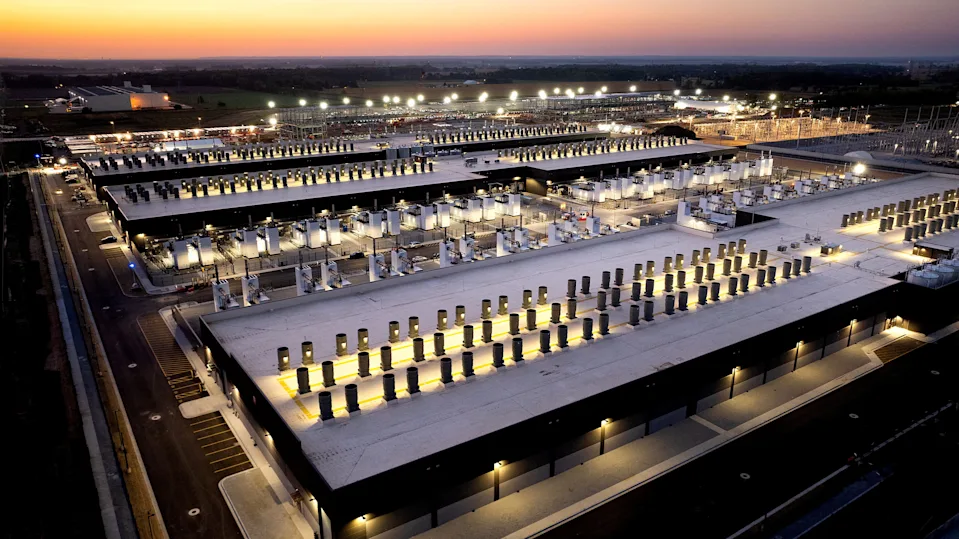
Image source: Getty Images.
As a result, the so-called 3-2-1 crack spread, which measures the difference between the purchase price of crude oil and the selling price of finished products (and thus indicates the profit margins for refiners), was up about 45% in the fourth quarter from a year earlier.
And the impact is already showing up in those three refiners’ financial results. Marathon’s margin was $18.65 a barrel in the fourth quarter, about 50% above its margin from a year earlier.
Phillips 66’s margin more than doubled, to $12.48 per barrel, in the fourth quarter. And Valero’s margin climbed 61% in the quarter from a year ago.
Can the trend continue?
Crude prices are forecast to decline further this year
It looks likely that crude prices will continue to fall. The U.S. Energy Information Administration (EIA) forecasts that Brent crude will average $58 a barrel in 2026, down from the average of $69 a barrel in 2025. It sees Brent falling further in 2027, to $53 a barrel on average over the year.
Meanwhile, EIA sees the global consumption of liquid fuels growing by 1.2 million barrels per day this year and another 1.3 million barrels per day in 2027. Most of that demand will be driven by increased manufacturing, trucking, and air travel.
So demand (consumption) for refined fuel oils looks to increase in 2026 and 2027, while the price of unrefined crude is expected to continue to fall.
That’s very good news for oil refiners and their shareholders. Of course, there are risks to this outlook (there always are). A war in the Middle East or conflict with Russia could send crude prices higher. And a recession would push demand for refined fuels lower.
Barring those scenarios, however, refiner stocks look like they have further upside potential. So a modest investment of, say, $1,000 right now is not a bad idea at all if you have that much to invest.