Multicultural Health Week 2026 has encouraged people across NSW to consider how everyday physical activity can support mental health, while highlighting the need for accessible health information for culturally and linguistically diverse communities.
Held from 31 August to 6 September, the annual campaign focused on the theme “Improving our mental health and wellbeing through physical activity”. This year also marked 17 years of leadership and coordination by the NSW Multicultural Health Communication Service (MHCS).
The week was launched on 31 August at the State Library of NSW by Health Minister Ryan Park and Mental Health Minister Rose Jackson. More than 250 guests attended, including NSW Health Secretary Susan Pearce, Chief Cancer Officer and Cancer Institute NSW chief executive Tracey O’Brien, and Chief Health Officer Dr Kerry Chant.
Representatives from multicultural community organisations, high schools, multicultural health services and media organisations also took part, promoting equitable health outcomes for multicultural communities.
The campaign shared practical ways people can include movement in their daily routines and highlighted its potential benefits for mental wellbeing. A promotional video, subtitled in seven languages including English, follows individuals and families through their day to demonstrate how everyday activities can support mental health.
Young people contributed personal experiences and stories through a partnership with the Prevention Education and Research Unit at Western Sydney Local Health District. Almost 120 stories were submitted, while community members from across NSW also shared experiences to encourage others to prioritise their mental health and wellbeing.
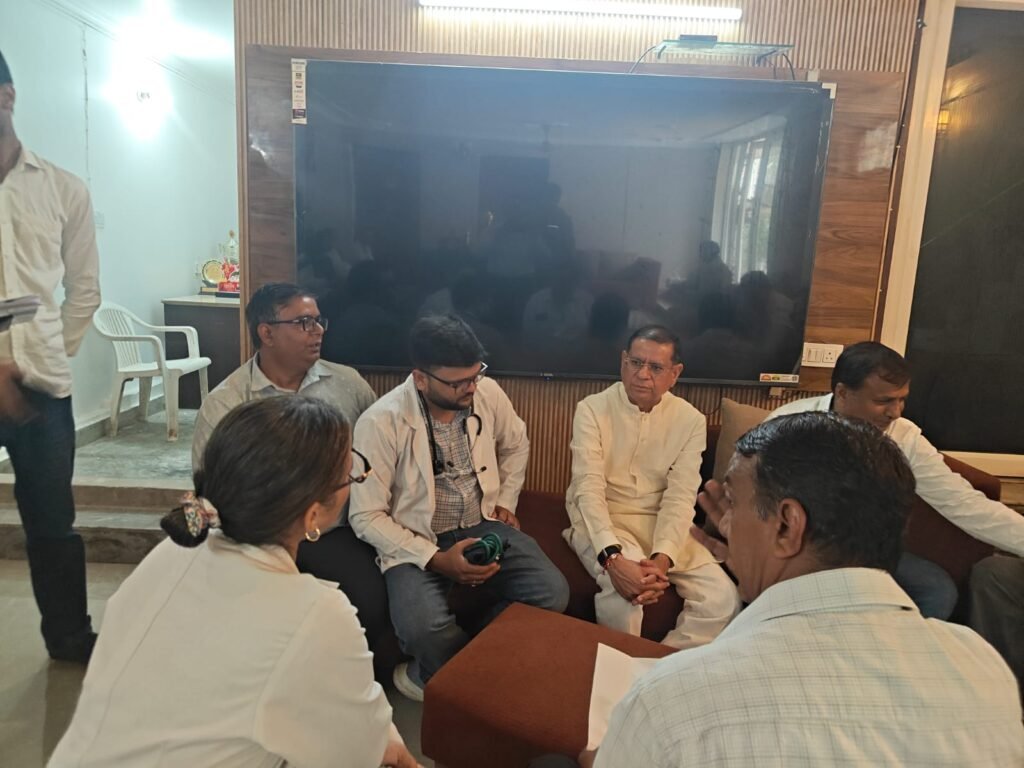
Local health districts marked the week with activities in hospitals and communities across the state, offering health information and opportunities for patients, families and community members to engage directly with health services.
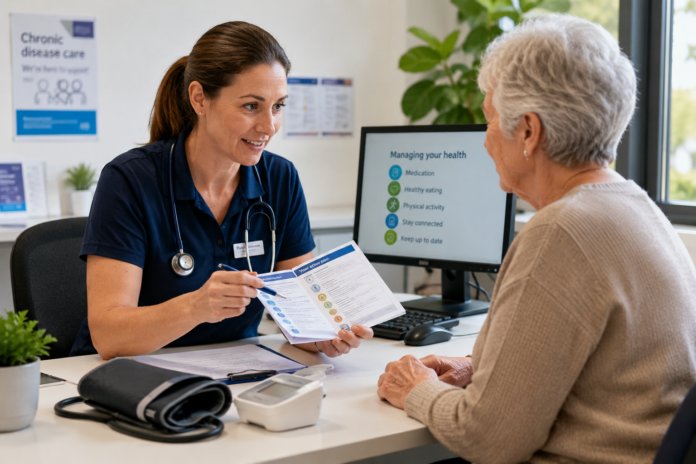
Although the campaign week has ended, MHCS resources remain available throughout the year. Factsheets in 41 languages and multilingual videos provide information about mental health, help address stigma and encourage positive changes in behaviour.
The service has also launched a new online portal for multilingual vaccination information and resources as part of the Priority Populations Immunisation Program. NSW Health is using the programme to help improve vaccination rates among communities with lower vaccine coverage.
The portal brings together translated information on adult and older adult vaccination, childhood and adolescent vaccination, refugee vaccination, vaccination during pregnancy and other topics. Health professionals can download resources to support discussions with patients and families, while community members can access trusted information in their own languages.
New educational videos are available in 20 refugee community languages. Children and young people under 20, including refugees and humanitarian entrants, may be eligible for free catch-up vaccinations through the National Immunisation Program if they missed vaccinations during childhood.
Other resources highlighted by MHCS include information for Breast Cancer Awareness Month, which encourages women aged 50 to 74 to have a free breast screen every two years. The service is also promoting Mental Health Month resources focused on everyday connection and information about accessing mental health care in different languages.
The NSW Multicultural HIV and Hepatitis Service has refreshed its website with multilingual information on liver health, hepatitis B, hepatitis C, HIV and sexual health. Additional resources, including a liver health toolkit and translated hepatitis information, are available to support culturally responsive healthcare.
MHCS is encouraging people across NSW to continue sharing their experiences of how physical activity has supported their mental health and wellbeing. The “Share a story” campaign remains open until November.
The service says the resources are intended to help community members access reliable health information in languages they understand, while supporting healthcare professionals to provide culturally responsive care.
Support independent community journalism. Support The Indian Sun.

Follow The Indian Sun on X | Instagram | Facebook
Post Views: 37

Support Independent Community Journalism
Dear Reader,
The Indian Sun exists for one reason: to tell stories that might otherwise go unheard.
We report on local councils, state politics, small businesses and cultural festivals. We focus on the Indian diaspora and the wider multicultural community with care, balance and accountability. We publish in print and online, send regular newsletters and produce video content. We also run media training programs to help community organisations share their own stories.
We operate independently.
Community journalism does not have the backing of large media corporations. Advertising revenue fluctuates. Platform algorithms change. Costs continue to rise. Yet the need for credible, grounded reporting in a multicultural Australia has never been greater.
When you support The Indian Sun, you support:
• Independent reporting on issues affecting migrant communities
• Coverage of local and state decisions that shape daily life
• A platform for small businesses and community groups
• Media training that builds skills within the community
• Journalism accountable to readers
We cannot cover everything, but we work to cover what matters.
If you value thoughtful reporting that reflects Australia’s diversity, we invite you to contribute. Every donation helps us maintain the quality and consistency of our work.
Please consider making a contribution today.
Thank you for your support.
The Indian Sun Team