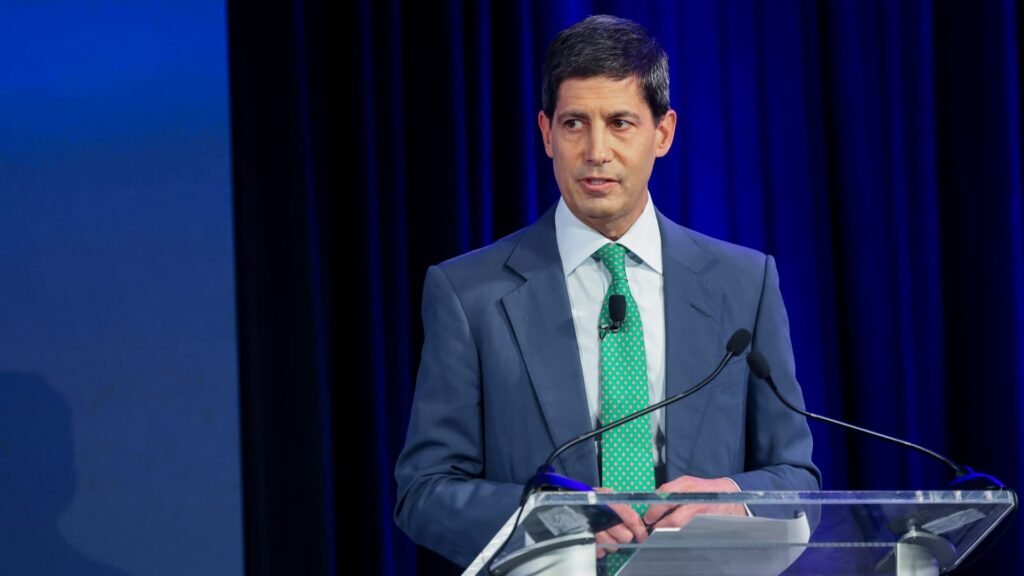
INDIANAPOLIS — NCAA president Charlie Baker said he’s hopeful President Donald Trump’s latest executive order aimed at fixing college athletics can result in a “bipartisan solution on the Congressional side” to create lasting stability.
“I like the fact that people seem to be working toward an answer, and there are a number of Democrats who said what I would describe as some reasonably positive things about some of the elements of it,” Baker said Saturday before the two Final Four games at Lucas Oil Stadium. “So at (this) point in time in Washington, where there aren’t a lot of people on both sides saying nice things about much of anything, I (think that’s) helpful.”
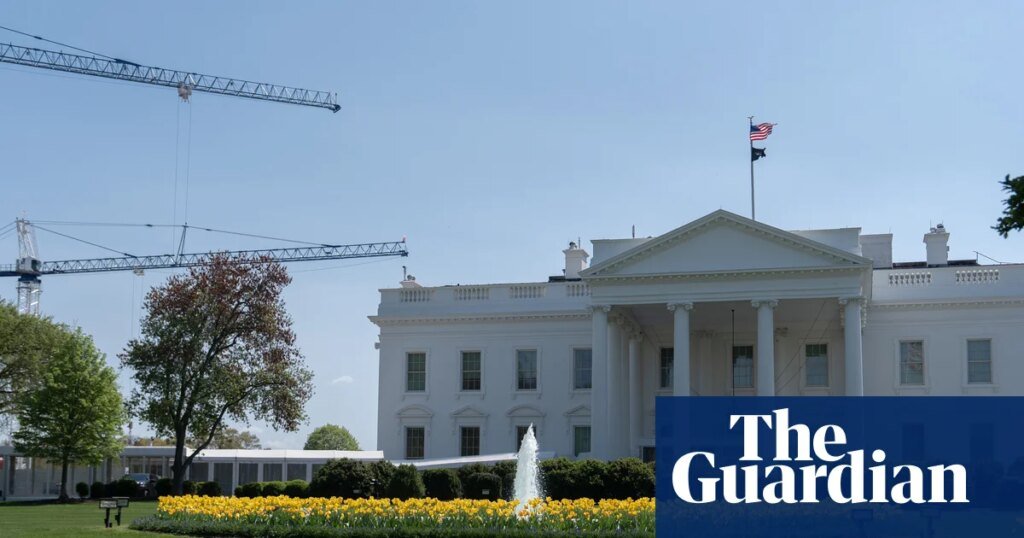
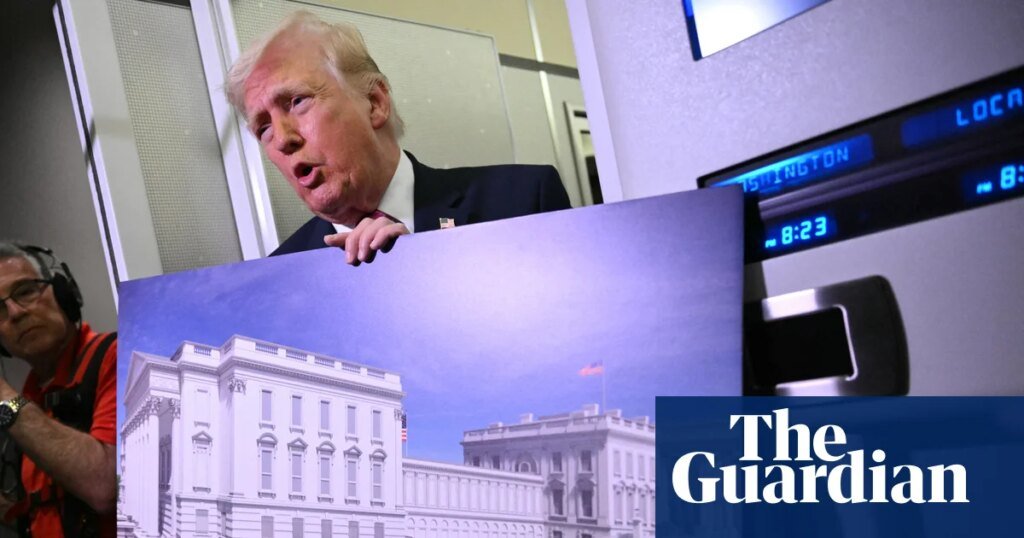
Trump’s executive order, announced Friday by the White House, mandates limiting athletes to one unrestricted transfer as undergraduates and places a five-year cap on college eligibility. It also poses the possibility of federal funding being withheld from schools that do not comply with the rules, which the Trump administration has held over institutions of higher education throughout the first 18 months of his second term. It would take effect Aug. 1.
Whether many aspects of the order could stand up to legal challenges is uncertain, but multiple sources who have contributed to the document told The Athletic before the order was released that its goal was to spur legislative action. The people spoke on condition of anonymity because they were not authorized to speak publicly about the executive order before its release.
An executive order cannot establish new laws or override existing state laws, some of which are contradicted by the directives of this order. The order also conflicts with previous court rulings and NCAA decisions, such as the ones allowing multiple immediate transfers without penalty. A number of Trump’s executive orders have been struck down in court, including one that would have barred federal funding for NPR and PBS; a federal judge recently blocked that order, ruling it in violation of the First Amendment.
“It’s a lot of words, how does it actually come into the power of use?” Baker said. “Well, I think part of the reason the effective date is in August is because some of the agencies need to figure out what responsibilities (will) go to them. People who write executive orders, having been a governor, I mean, you write executive orders for all sorts of reasons. And sometimes it’s to create an opportunity to clarify whatever existing authority you may have at the agency level. And sometimes it’s to encourage the legislature to move on those kinds of issues.”
This order is intended to be more comprehensive and instructive than the prior executive order on college sports that Trump signed last summer, which was titled “Saving College Sports” and touched on some of the same topics. That initial order made recommendations on how athletic departments should operate and directed government agencies to weigh in on things such as the employment status of college athletes and how to give more governance and enforcement power back to the NCAA.
The order attempted to establish scholarship benchmarks for women’s and Olympic sports and ban “pay for play” compensation. There have been no substantive changes in college sports as a direct result of that order, which was signed in July 2025.
Baker was also asked Saturday about the influence of agents in college athletics and the “tampering” with players that many coaches complain about, usually in vague terms.
“I’ve talked to coaches and ADs who said they’ve had entire teams that have been bothered the minute they were eliminated from the tournament,” Baker said. “The kids’ phones started ringing, the texts started coming and … there’s no point. We should be able to figure out something to create a structure that at least makes it challenging to ruin the whole second half of the regular season for kids and teams.”
Asked about ongoing discussions about expanding the men’s and women’s NCAA tournaments, Baker said: “We were told by the basketball committees to stop talking about that.”