The White House released a new report highlighting what it claims are the causes of chronic disease in children.
The report fleshes out many of the themes that have emerged as priorities for the Make America Healthy Again, or MAHA, movement promoted by Health and Human Services Secretary Robert F. Kennedy Jr.
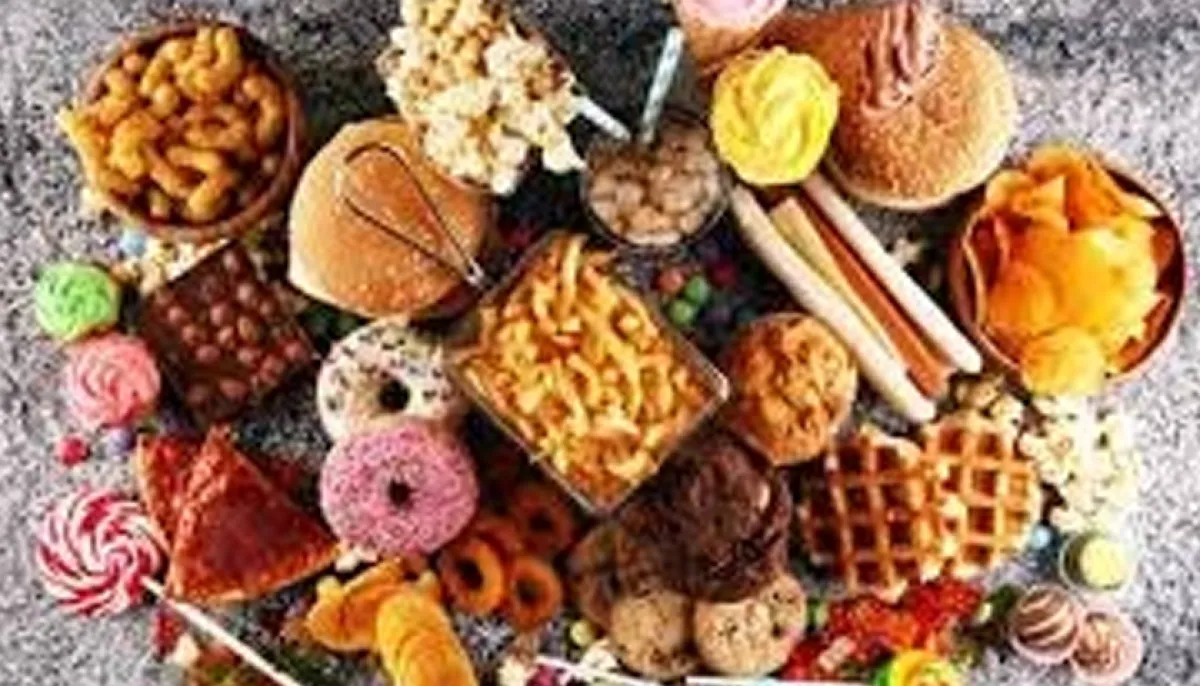
One major area of focus is the negative health effects of ultraprocessed foods. The report points to the prevalence of ultraprocessed foods in the American diet as a key contributor to chronic illness in children and cites research that finds that nearly 70% of children’s diets and 50% of pregnant and postpartum women’s diets in the U.S. consist of ultraprocessed foods.
The Conversation U.S. asked Paul Dawson, a food scientist at Clemson University, to explain how the government’s stance on the harms of ultraprocessed foods squares with the science.
What are ultraprocessed foods?
Concerns that ingredients used by food manufacturers can contribute to chronic illness first emerged in the 1970s and 1980s, when research began linking processed food consumption to increasing rates of obesity, type 2 diabetes and cardiovascular disease. The term “ultraprocessed food” dates back to the 1980s and was used to describe convenience foods and snacks that contained high amounts of additives and had low nutritional value.
As research on the health effects of ultraprocessed foods began to build, experts in public health and the food industry have debated the meaning of the term. Increasingly, researchers are settling on defining ultraprocessed foods based on a framework called the Nova Food Classification System, created in 2009 by nutrition researchers in Brazil. The framework assigns foods to one of four groups based on the level of processing they undergo:
Group 1 – Unprocessed or minimally processed foods: This category includes raw fruits, vegetables and meats that may be cleaned, frozen or fermented but remain close to their natural state.
Group 2 – Processed culinary ingredients: Think salt, sugar, oils and other ingredients extracted from nature and used to cook and flavor foods.
Group 3 – Processed foods: Foods in this category are made by adding ingredients like salt or sugar to Group 1 items — for example, canned vegetables or cheese.
Group 4 – Ultraprocessed foods: These are mostly foods that contain ingredients not found in a typical kitchen, such as hydrogenated oils, modified starches, flavor enhancers, color additives and preservatives. Examples include chips, sodas, candy bars and many frozen meals, which are designed to be hyper-palatable and often nutrient-poor.
What does research say about ultraprocessed foods?
A growing body of research links ultraprocessed foods with many negative health outcomes, including obesity, type 2 diabetes, cardiovascular disease, cancer and cognitive decline. One issue is that these products are typically high in added sugar, sodium, saturated fats and chemical additives, and low in fiber, vitamins and essential micronutrients.
But some studies also suggest that what makes these foods harmful isn’t just the ingredients but also how they’re made. That’s because the industrial processing of fats and starches can produce harmful compounds. For example, a substance called acrolein, formed when oils are heated at high temperatures, has been linked to DNA damage. Studies are also finding that microparticles from packaging and plastics, now found in air, water and food, may disrupt the gut microbiome, a key player in immune and metabolic health.
One drawback of nutrition studies is that they often rely on self-reported dietary data, which can be inaccurate. They can also have confounding factors that are difficult to account for, such as lifestyle patterns. However, the consistency of the findings across diverse populations gives credence to the growing concerns about ultraprocessed foods.
An important caveat, however, is that not all ultraprocessed foods are created equal. They vary in how nutritious they are, and some ultraprocessed foods play an important role for vulnerable populations. For example, foods containing the slow-release carbohydrate sweetener sucromalt help people with diabetes prevent blood sugar spikes, and hypoallergenic infant formula can be lifesaving for infants that cannot digest milk at a young age.
How does the MAHA report fit with current dietary guidelines?
The report echoes key themes of the 2020–2025 Dietary Guidelines for Americans, a document jointly published by the Departments of Agriculture and Health and Human Services every five years. Both the MAHA report and the federal guidelines encourage the consumption of nutrient-dense, whole foods.
One critical difference between them is that the 2020-2025 dietary guidelines make no mention of ultraprocessed foods. Some public health experts have noted that this omission may reflect food industry influence.
What happens next?
Kennedy has stated that a follow-up report outlining a strategy and potential policy reforms for addressing childhood chronic illness will be released in mid-August 2025.
However, change is unlikely to be straightforward. Ultraprocessed foods represent a significant industry, and policies that challenge their prominence may encounter resistance from influential commercial interests. For decades, U.S. agricultural subsidies, food policy and consumers have supported the mass production and consumption of ultraprocessed foods. Reversing their overconsumption will require structural shifts in how food is produced, distributed and consumed in the U.S.
Source : UNB