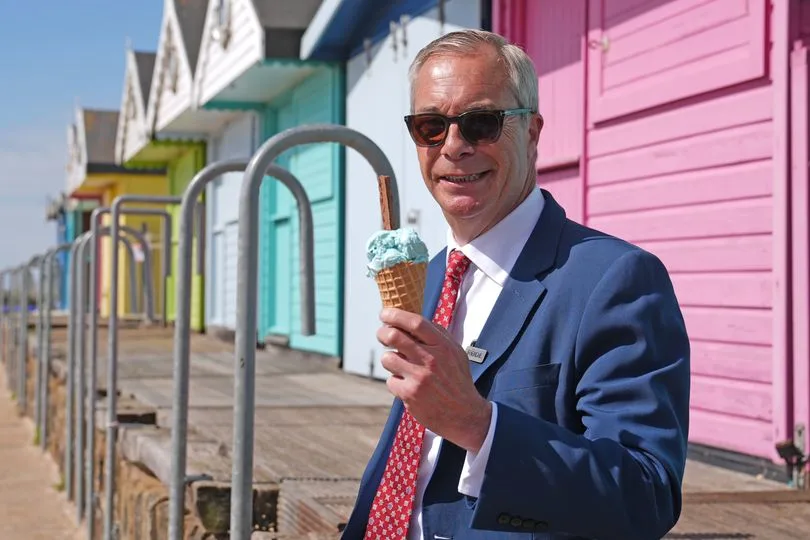
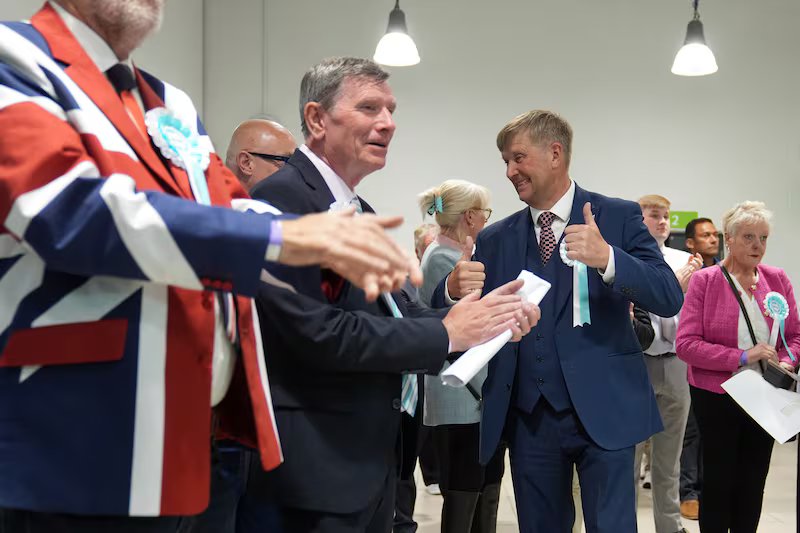
Nigel Farage has proclaimed the local elections as “big historic night” for Reform UK as the far-right political party has seen a surge, according to early results.
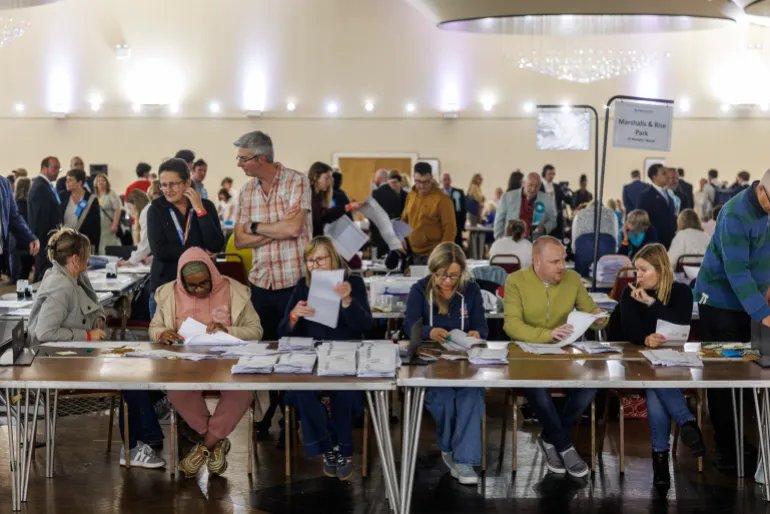
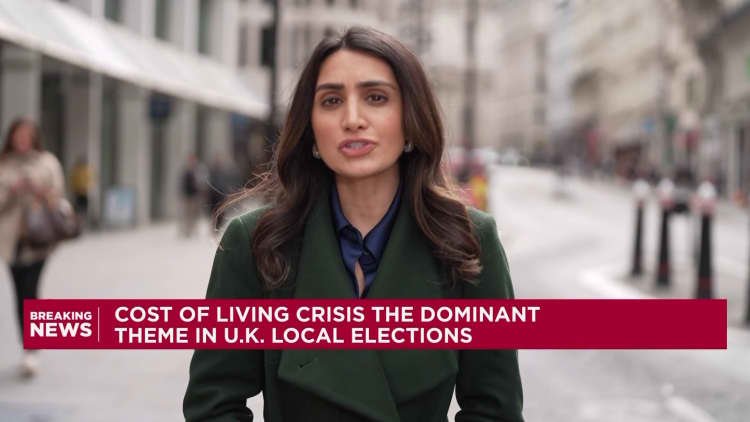
Millions of people across the country took to the polling stations as elections were held in 136 local authorities across England, including London and other cities. Plus, elections were held for several county councils, as well as some urban authorities and rural districts.
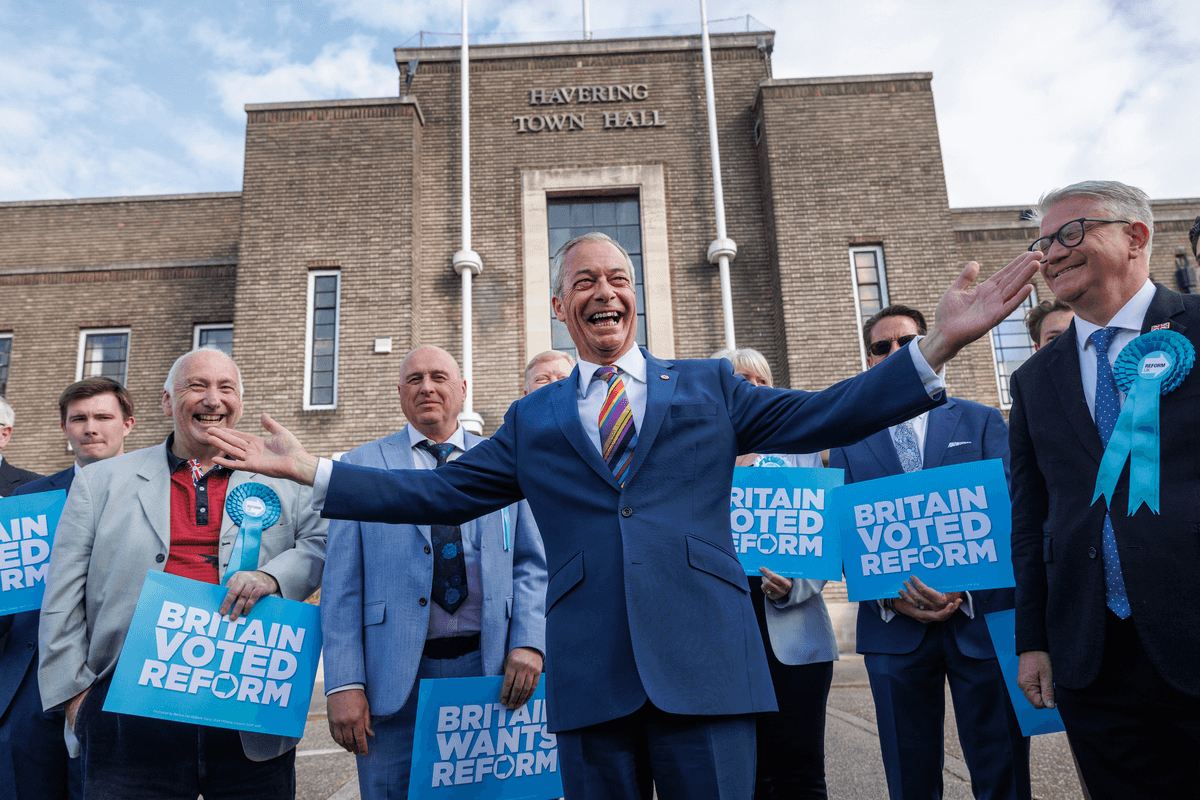 Photo by Dan Kitwood/Getty Images
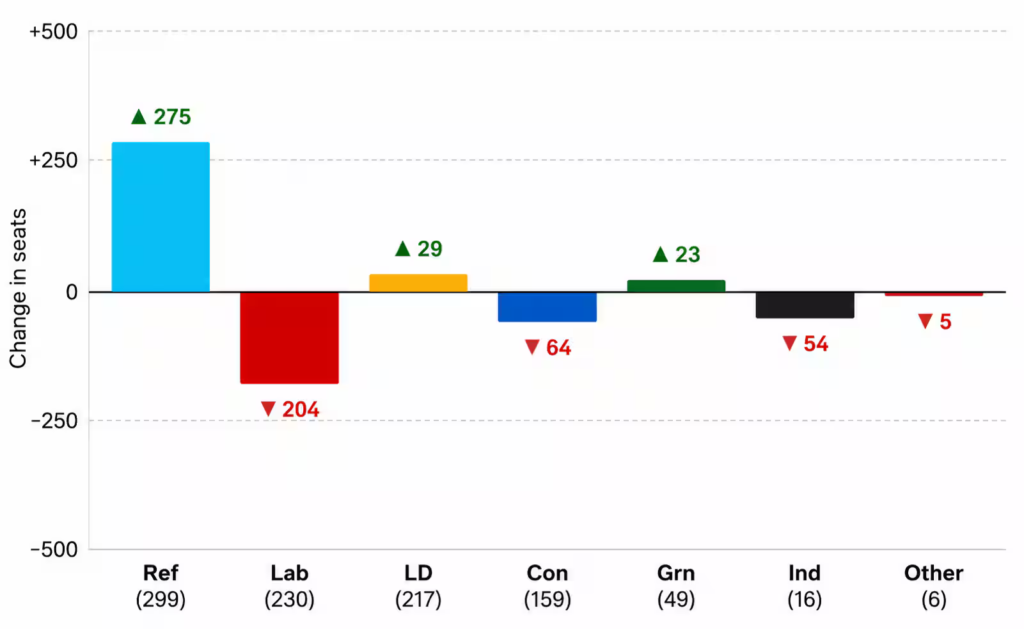
Results are still coming in, but so far, Reform UK has gained over 700 seats and has taken hold of four councils.
As for Labour, the big headline is the party losing control of eight councils, and they’re predicted to lose in Wales after 27 years, and have maintained power in other areas.
Here’s everything you need to know about Reform UK:
When was Reform UK formed?
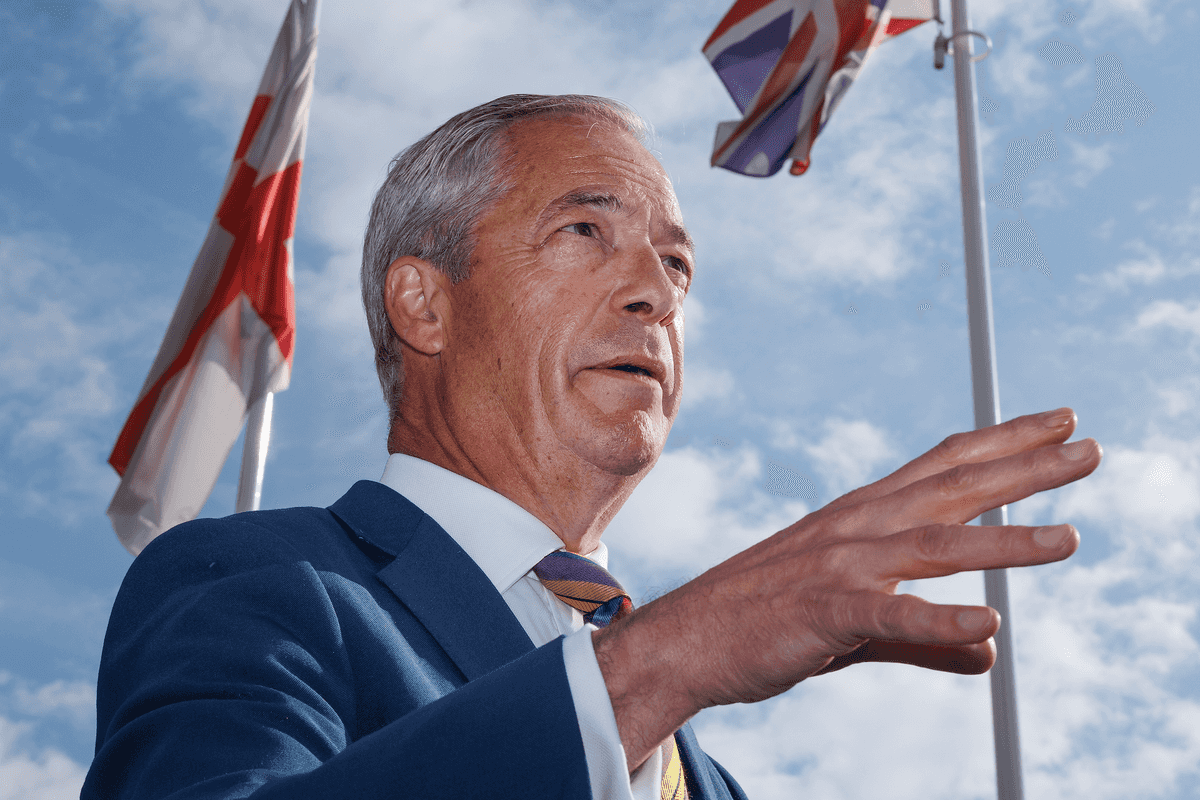 Photo by Dan Kitwood/Getty Images
Reform UK was founded by Nigel Farage back in 2018 – but at that time, it was the single-issue Brexit Party. In 2021, the party later rebranded to Reform UK after the UK formally left the EU the year before. Now the party’s slogan is to fix what they describe as “broken Britain.”
Policy-wise, the party has a populist agenda to “fix broken Britain”, seeking to capitalise on frustrations and apathy with the two main parties, Labour and the Conservatives.
The party has also welcomed some Tory defections; as a result, this has increased the number of Reform UK MPs to eight. This development has been praised by the party, although critics say the defections mean the party is potentially turning into “Conservatives 2.0”.
Reform UK most controversial policies
Immigration
Reform UK has a strict stance on immigration and has said its “number one priority” is to “stop the boats” carrying migrants across the Channel.
In order to do this, the party has controversially pledged to leave the European Convention on Human Rights.
They also say they will build removal centres in remote areas of the country if elected, with the objective of detaining up to 24,000 people within 18 months. To prevent the opening of detention centres from being blocked by councils, they would introduce a Mass Deportation Detention Act to give powers to the Home Secretary.
The party says it would scrap Indefinite Leave to Remain and rescind the status of current holders in favour of introducing five-year visas, which have conditions such as mandatory fluency in English, a higher salary threshold and stricter “good character” requirements.
Energy
Farage’s party want to scrap the UK’s 2050 net zero targets and green levies to reduce the cost of energy bills. Meanwhile, they want to push forward with North Sea oil and gas licences and enable fracking.
Education
In the Reform UK manifesto, the party pledges “ban transgender ideology in primary and secondary schools” in their first 100 days in government.
It says, “No gender questioning, social transitioning or pronoun swapping. Inform parents of under-16s about their children’s life decisions. Schools must have single sex facilities.”
They also stated they’ll “mandate single sex spaces” and that “Public toilets and changing areas must provide single sex facilities.”
Policing
There is a “Common Sense Policing not ‘Woke’ Policing” section in the manifesto which outlines their policy to “Scrap all Diversity, Equality and Inclusion (DE&A) roles and regulations to stop two-tier policing.”
Another part notes, “The Equalities Act requires discrimination in the name of ‘positive action’. We will scrap
Diversity, Equality and Inclusion (DE&I) rules that have lowered standards and reduced economic productivity.”
Where did Reform gain seats?
Reform UK gained more than 700 seats in these recent local elections and has taken hold of four councils so far.
Farage’s party has won control of Havering, giving the party its first London council.
“This is a big big day. Not just for our party but for a complete reshaping of British politics in every way,” Farage said from Havering on Friday morning.
“[Reform UK] is now the most national of all parties. We are competitive in every part of the country and we’re here to stay,” he continued.
When is the next UK General Election?
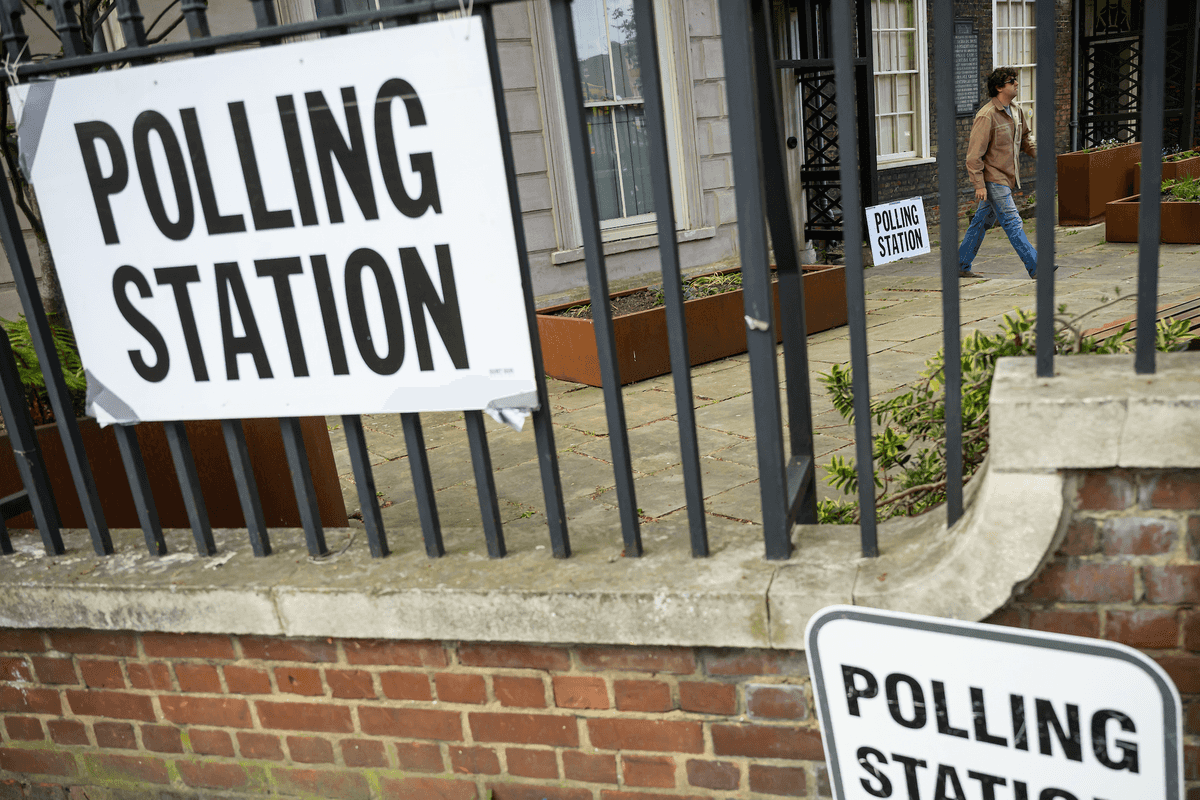 Photo by Leon Neal/Getty Images
General elections in the UK usually take place every 5 years.
The last general election took place on Thursday, 4 July 2024, and therefore the next general election must take place no later than 15 August 2029.
But, as is the chaotic world of politics, it could take place before then.
Elsewhere from Indy100, Trump shares how concerned US should be about Hantavirus, and Trump judicial nominee’s refusal to rule out third term ‘chilling’.
How to join the indy100’s free WhatsApp channel
Sign up to our free indy100 weekly newsletter
Have your say in our news democracy. Click the upvote icon at the top of the page to help raise this article through the indy100 rankings.