Eating red meat and smoking are among the lifestyle factors responsible for more than a quarter of healthy years lost to breast cancer, the largest study of its kind suggests.
Breast cancer is the most common cancer in the UK with around 55,000 women and 400 men diagnosed every year. There are numerous known risk factors for developing breast cancer, such as drinking alcohol, being overweight and inherited genes, but eating red meat could have the biggest impact.
A study published in the journal Lancet Oncology, has used data from population-based cancer registries to analyse the risk factors and forecast trends of the disease up to 2050.
The data used spans from 1990 to 2023 from more than 200 countries and predicts new breast cancer cases worldwide will rise by a third from 2.3 million in 2023 to over 3.5 million in 2050. The annual global breast cancer death toll is forecast to increase by 44 per cent from 764,000 to nearly 1.4 million by 2050.
Data suggests maintaining a healthy lifestyle, such as not smoking, exercising, lowering red meat consumption and having a healthy weight may prevent more than a quarter of healthy years lost to illness and premature death due to breast cancer worldwide.
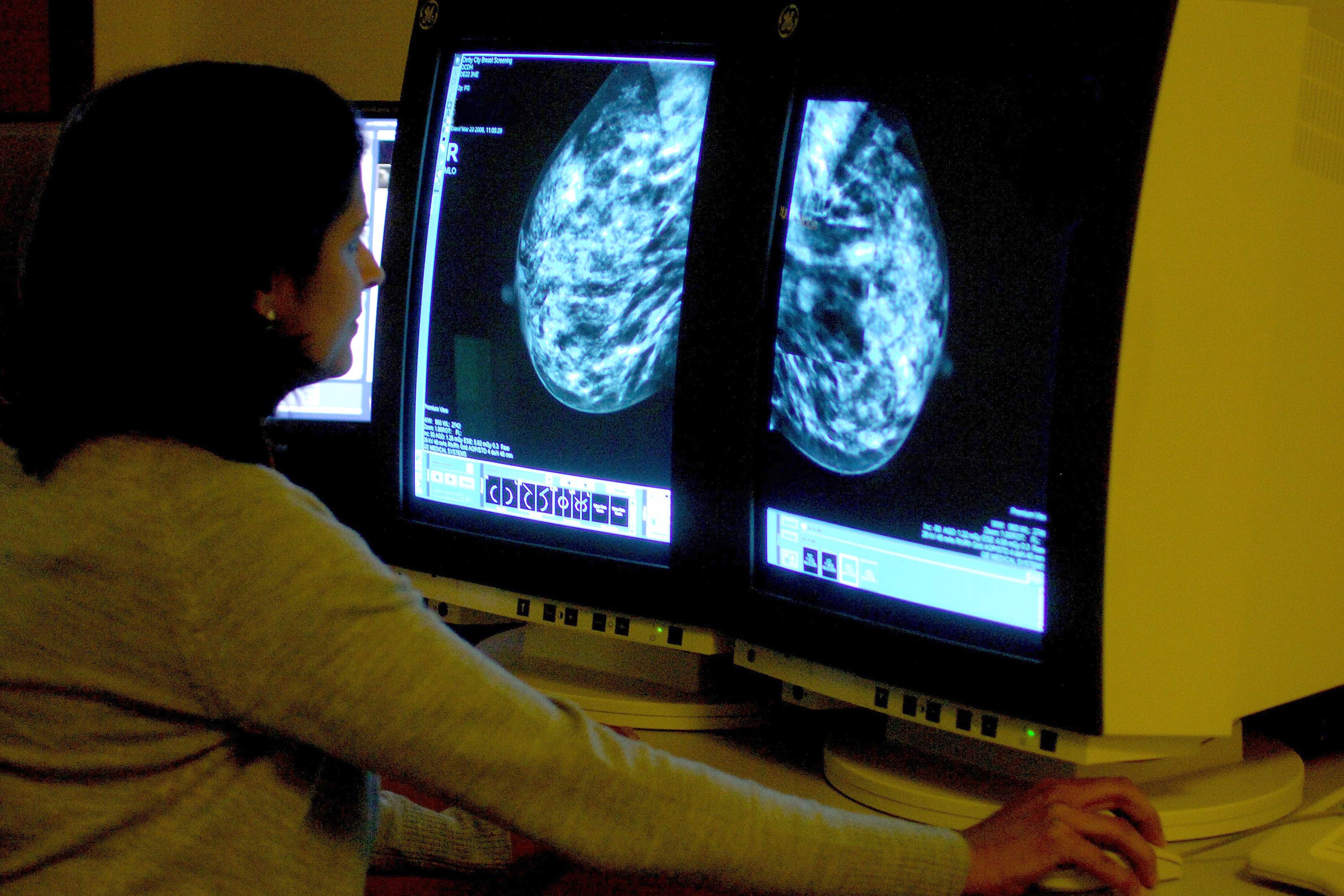
“Breast cancer continues to take a profound toll on women’s lives and communities,” said lead author Kayleigh Bhangdia from the Institute for Health Metrics and Evaluation (IHME), University of Washington, USA.
“While those in high-income countries typically benefit from screening and more timely diagnosis and comprehensive treatment strategies, the mounting burden of breast cancer is shifting to low- and lower middle-income countries where individuals often face later-stage diagnosis, more limited access to quality care, and higher death rates that are threatening to eclipse progress in women’s health,” she added.
Data revealed three times as many new breast cancer cases were diagnosed in women aged 55 or older globally in 2023, in comparison to women aged 20 to 54. But the rates of new cases in women aged between 20 and 54 have risen by nearly a third since 1990, while rates in older women have not changed substantially.
Researchers also estimated the number of years of healthy life that women with breast cancer have lost to illness, disability, and premature death.
Globally, the number of years of healthy life lost due to poor health and early death as a result of breast cancer more than doubled from 11.7 million years in 1990 to 24 million years in 2023.
However, although women in low- and lower-middle-countries account for 27 per cent (around 628,000) of new cases globally, they contribute to more than 45 per cent of all the ill-health and early deaths from breast cancer globally, which is the equivalent of nearly 11 million years of healthy life lost.
In 2023, 28 per cent of the global breast cancer burden (6.8 million years of healthy life lost to disability, illness and early death) was linked to six potentially modifiable risk factors.
High red meat consumption had the biggest impact linked to nearly 11 per cent of all healthy life lost, followed by tobacco use including second-hand smoke; which was linked to 8 per cent of healthy life lost.
High blood sugar was responsible for 6 per cent, overweight and obesity linked to 4 per cent, and high alcohol use and low physical activity both linked to 2 per cent.