Three screenings of Japanese films in Hong Kong have been cancelled, indicating that escalating tensions between China and Japan have spread to the territory.
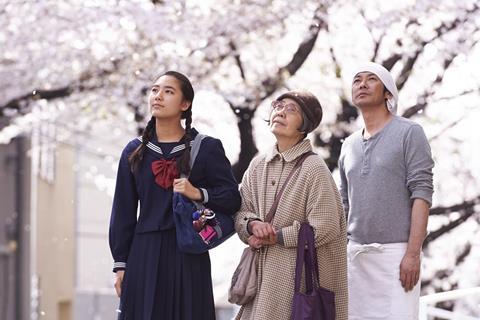
Naoko Ogigami’s 2006 drama Kamome Diner, Juzo Itami’s 1985 cult comedy Tampopo and Naomi Kawase’s Cannes 2015 title An were due to play at a culinary themed film programme presented by Hong Kong’s Leisure and Cultural Services Department this month.
However, all three films have been abruptly pulled from the schedule, with the department stating on its website that the cancellations were “due to programme adjustments”.
The programme, titled Food for Thought – A Cinematic Feast, is running from December 6 to January 18, organised by the department’s film programmes office. Screenings of other international titles such as Danish feature Babette’s Feast and US film Julie & Julia will go ahead.
The move follows the postponement of several Japanese films in China last month after prime minister Sanae Takaichi’s remarks about Taiwan.
Titles to have been withdrawn from their planned release include the live-action version of anime Cells at Work!, Neo Sora’s Happyend and animation Crayon Shin-chan the Movie: Super Hot! The Spicy.
Further Japanese titles that had officially announced their undated China release and are now impacted include Sony Pictures’ animation Scarlet by Mamoru Hosoda, and psychological thriller Exit 8, which debuted at Cannes and had its China premiere at the Golden Rooster & Hundred Flowers Film Festival with director Genki Kawamura and actor Yamato Kochi in attendance.
In November, Takaichi suggested that Japan could take military action if Beijing attacked Taiwan. It has resulted in economic and cultural restriction measures from China that include travel warnings against Japan, bans on certain Japanese food imports and cancellations of Japanese music concerts including a high-profile performance by Japanese popstar Ayumi Hamasaki.
Japanese blockbuster animation Demon Slayer: Kimetsu no Yaiba – The Movie: Infinity Castle opened on November 14 as the first title from the hugely popular franchise to hit mainland Chinese cinemas.
The film topped the Chinese box office in its opening weekend and has earned $93.4m (RMB663m) as of December 7, according to Artisan Gateway, making it the 12th highest grossing film of 2025 to date.
However, the film may not have secured an extended release to remain in cinemas after its first run of 30 days – the standard screening period. US feature Now You See Me: Now You Don’t, which also opened on November 14, has received the extension approval.
Demon Slayer may be the last Japanese title that mainland Chinese audiences can see in local cinemas for some time unless relationships between the two countries thaw. China imposed an unofficial ban on Korean entertainment in mid-2016, which has lasted almost a decade. This came after South Korea installed a US anti-ballistic missile defence system. Beijing has never officially acknowledged the existence of any such restrictions, which have become known as the “Korean wave ban”.