March 17, 2026, 3:01 a.m. ET
A hard truth for presidents: It’s easier to get into a war than to get out of it.
Just ask Harry Truman about Korea, Lyndon Johnson about Vietnam, George W. Bush about Iraq.
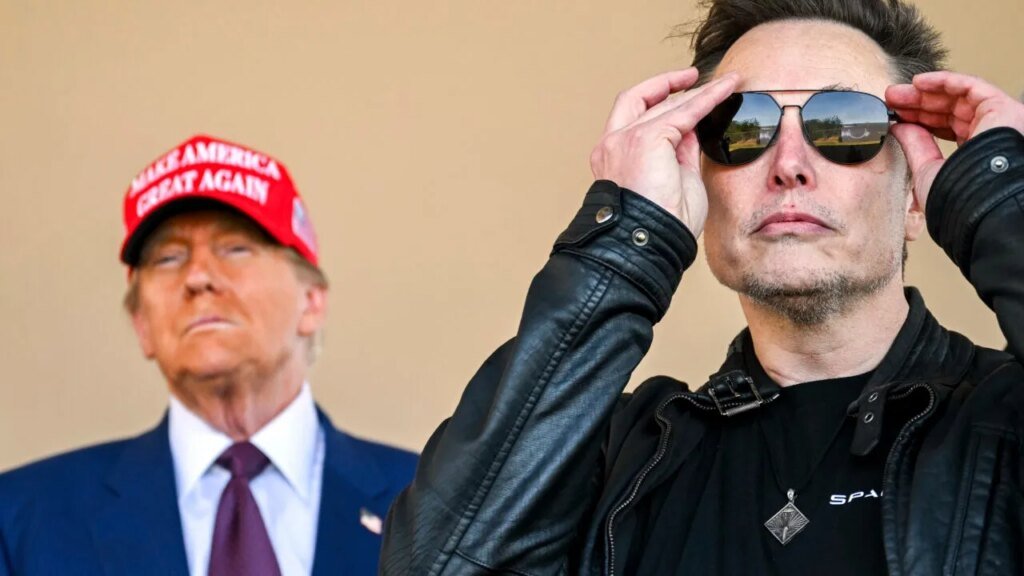
And now Donald Trump about Iran.
When Trump announced in a social media video on Feb. 28 that the United States and Israel were striking Iran, he vowed that their overwhelming military advantage would crush the Islamic republic’s navy, its missile capabilities and its nuclear potential − perhaps even overturn the government itself − in a war he suggested might last four to five weeks.

Now on week three, the United States has destroyed much of Iran’s armed forces and its stores of missiles. Its supreme leader, Ayatollah Ali Khamenei, has been killed.
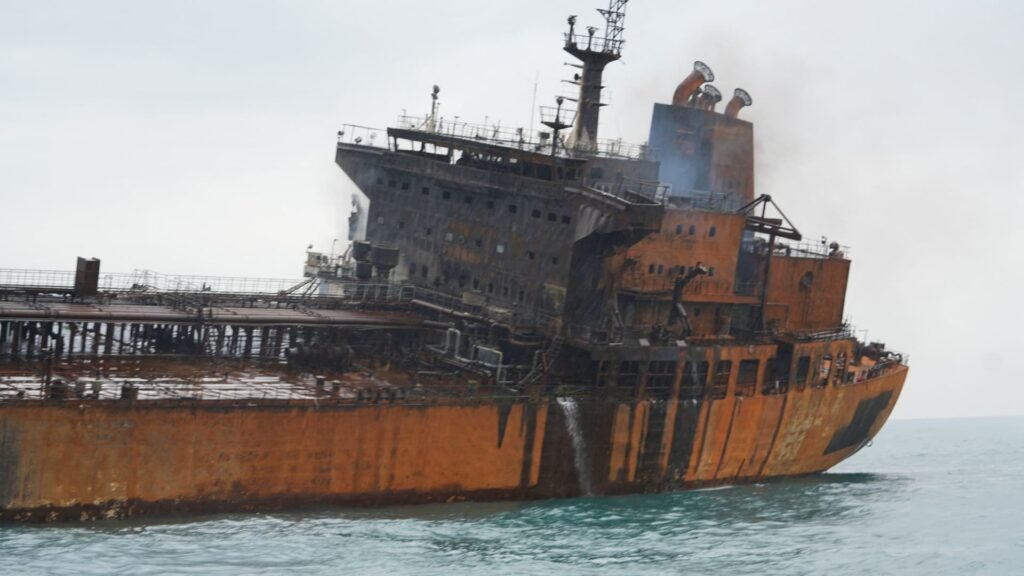
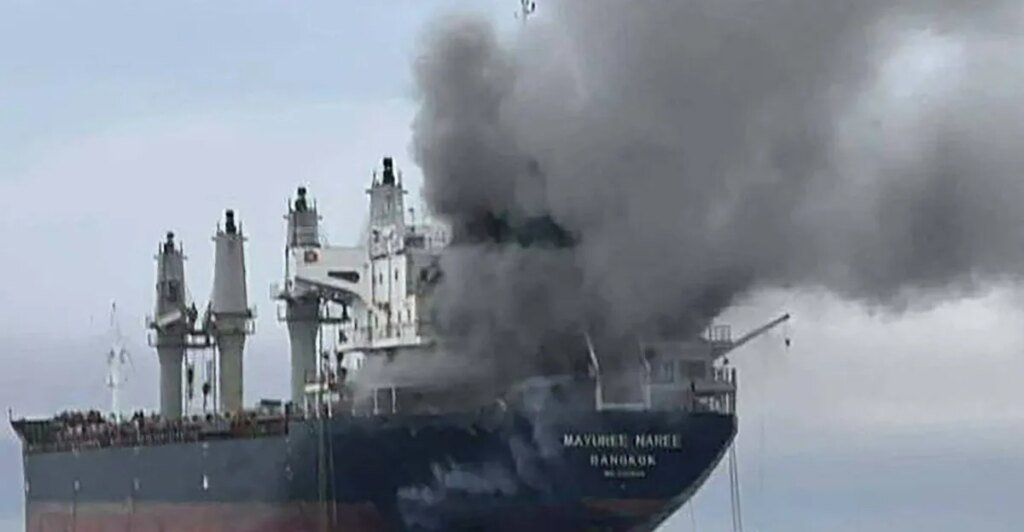
But the ayatollah’s son has taken his place, and Tehran has managed to essentially paralyze the crucial Strait of Hormuz with the threat of mines and attacks from small boats. That has spiked the cost of energy around the world and across the United States, including at the gas pump.
For Trump, that has made it both problematic to declare victory and increasingly costly to continue the fight.
“I think the president, frankly, is stuck,” State Department veteran Aaron David Miller said on MSNOW.
All his options have downsides.
Asking allies for help – and hearing ‘no’
For starters, Trump has found himself in the unaccustomed role of asking allies for help, to send warships that could escort vessels safely through the Strait of Hormuz. That may be the clearest message yet that he now sees an extended campaign ahead, not one that the forces arrayed in the region can end within a few weeks.
Also unaccustomed: Many allies declined.
Some noted that Trump launched the war without asking their advice or support. “This is not our war,” Germany’s defense minister, Boris Pistorius, said. Prime Minister Keir Starmer said the United Kingdom would not be “drawn into wider war.” The European Union declined. Japan said it would consider the request.
Their demurrals prompted a rebuke from an angry Trump. “We don’t need anybody,” he told reporters at the White House on March 16. “We’re the strongest nation in the world.”

Meanwhile, he rejected the idea that the United States had underestimated Iran’s ability to flummox a more powerful enemy. “I knew about the strait − that it could be a weapon, which I predicted a long time ago,” he shrugged.
He reiterated the importance of stopping, once and for all, its nuclear ambitions. “You can’t let the most violent, vicious country in the last 50 years have a nuclear weapon, because the Middle East will be gone,” he said.
But he didn’t explain how the United States could or would gain control of the uranium that Iran has processed nearly to bomb-grade, now buried far underground near Isfahan. That could involve deploying special operations teams and ground troops − a perilous mission that would carry the risk of higher casualties and deeper complications.
He has ordered an additional expeditionary force of 2,500 Marines to the Middle East. When a reporter on Air Force One asked Trump to explain the deployment, he replied, “Shh, you are a very obnoxious person,” and called on another reporter for a question.
Most Americans aren’t persuaded that the initial strikes were a good idea or that the war will make the United States safer.
In a Quinnipiac Poll taken March 6-8, 53% of voters opposed the U.S. strikes, and three of four (74%) were against sending ground troops. Nearly two-thirds (62%) said the White House hadn’t provided a clear explanation for the military action.
The survey of 1,002 registered voters had a margin of error of plus or minus 3.8 percentage points.
Only one in five predicted the war would last just days or weeks. More than 7 in 10 predicted it would last months or a year or even longer.
What defines a presidency?
Another lesson of history: Big wars tend to take over presidencies.
LBJ is remembered more for the misadventure in Vietnam than he is for the Great Society legislation that created Medicare and Medicaid. George W. Bush’s presidency is defined by two of America’s longest wars, in Iraq and Afghanistan, which lasted longer than his tenure in office.
During his second term, Trump has been focused on his legacy − in adding his name to the U.S. Institute of Peace and the Kennedy Center, in campaigning for the Nobel Peace Prize with an argument he had settled wars from Armenia to Rwanda.
In Iran, though, peace now seems far away.