Got story updates? Submit your updates here. ›
 The U.S. Navy’s presence in the Asia-Pacific region has been diminished as resources are diverted to conflicts in the Middle East, potentially allowing China to expand its influence.Washington Today
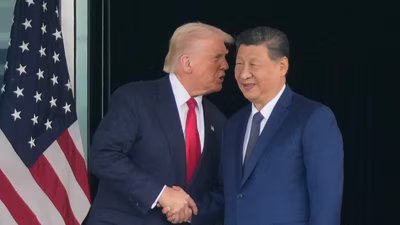
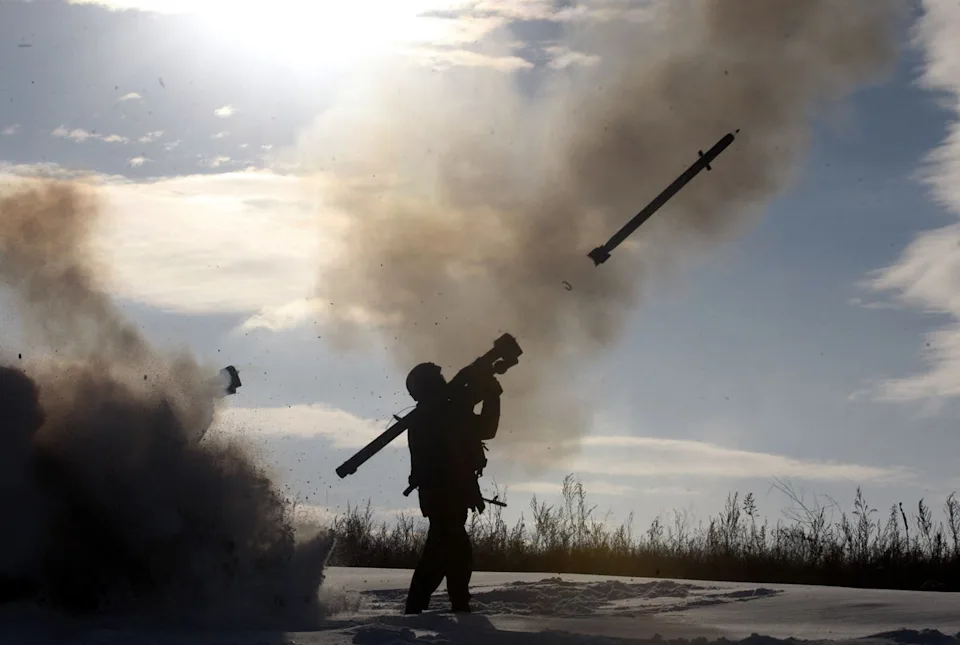
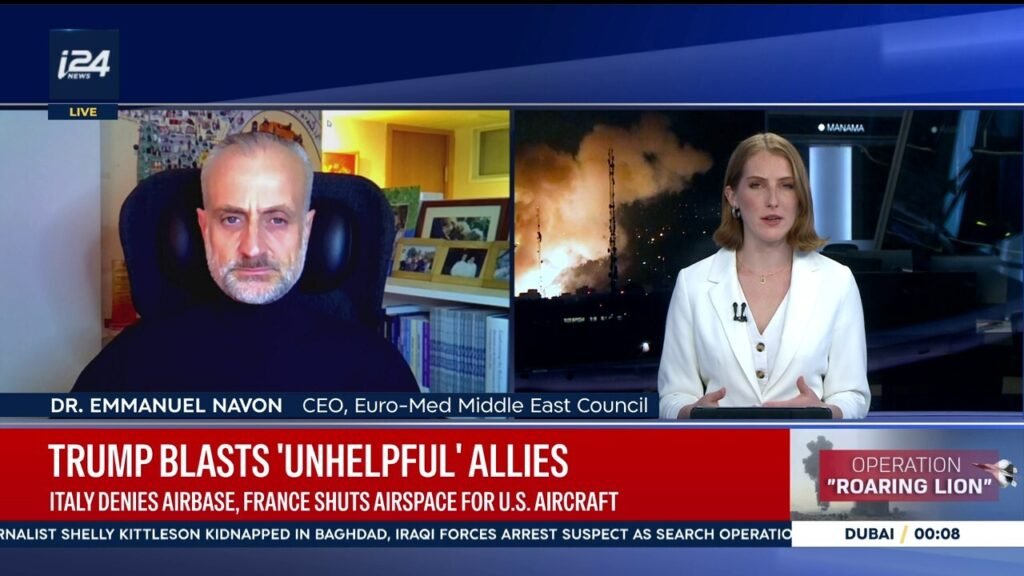
In 2011, President Barack Obama declared it was time for America to leave behind the wars in Iraq and Afghanistan and ‘pivot’ to Asia to counter the rise of China. Fifteen years later, the U.S. finds itself still at war in the Middle East and has pulled military assets from the Asia-Pacific as it aims to eliminate the threat posed by Iran’s nuclear and missile programs. The demands of the Iran war also caused President Donald Trump to delay by several weeks his highly anticipated trip to China, deepening worries that the U.S. is once again getting distracted at the cost of its strategic interests in Asia, where Beijing seeks to unseat the U.S. as the regional leader.
Why it matters
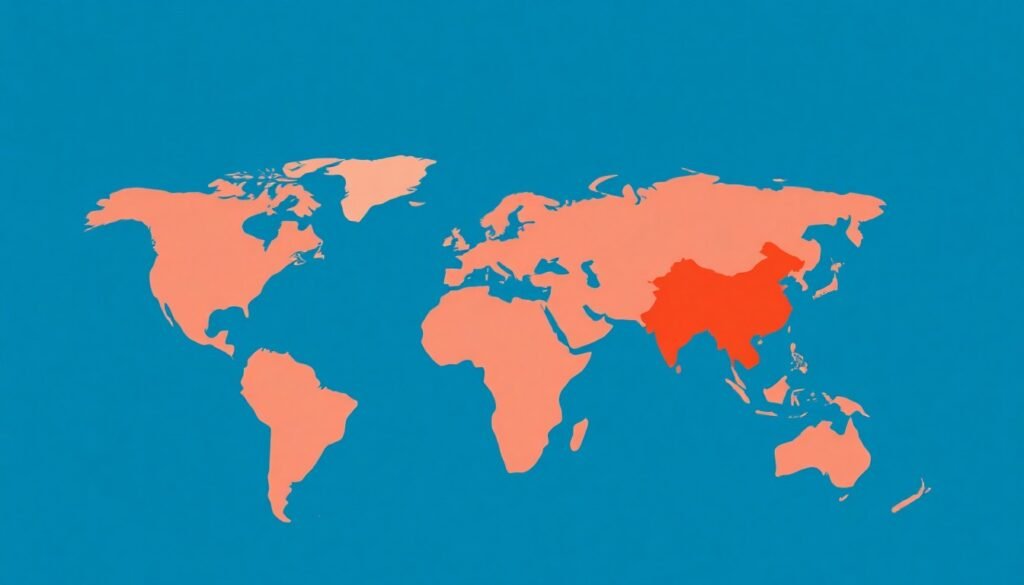
The ‘pivot to Asia’ strategy was meant to refocus American military, diplomatic and economic resources on the Asia-Pacific region to counter China’s growing influence. However, the ongoing conflict with Iran has diverted significant U.S. attention and resources away from this goal, potentially allowing China to gain more ground in the region.
The details
In 2011, President Obama announced the ‘pivot to Asia’ policy, which aimed to shift the U.S. military and diplomatic focus away from the Middle East and towards the Asia-Pacific region in response to China’s growing economic and military power. However, the U.S. has remained heavily involved in conflicts in the Middle East, including the ongoing war with Iran over its nuclear and missile programs. This has required the reallocation of U.S. military assets and attention away from the Asia-Pacific, potentially allowing China to expand its influence in the region.
- In 2011, President Barack Obama declared the ‘pivot to Asia’ strategy.
- Fifteen years later, the U.S. is still engaged in conflicts in the Middle East.
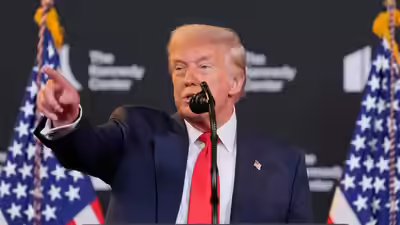
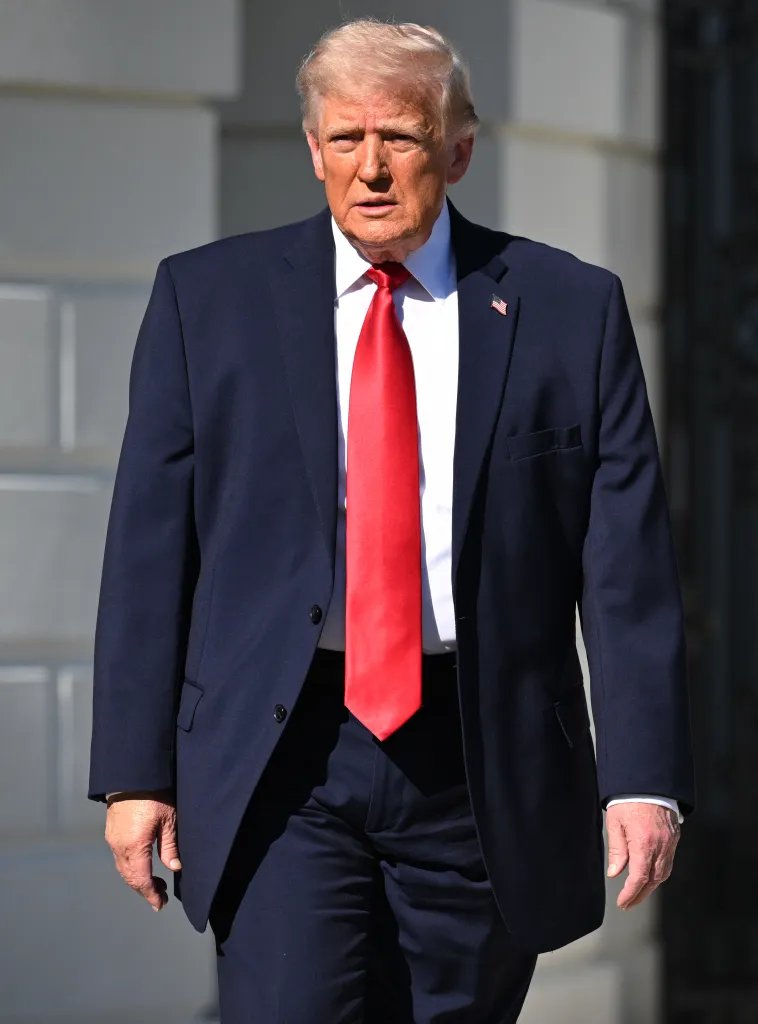
- The demands of the Iran war caused President Donald Trump to delay his trip to China by several weeks.
The players
President Barack Obama
The 44th President of the United States who announced the ‘pivot to Asia’ strategy in 2011.
President Donald Trump
The 45th President of the United States who had to delay a trip to China due to the demands of the Iran war.
China
A rising global power that the ‘pivot to Asia’ strategy was intended to counter in the Asia-Pacific region.
What they’re saying
“In 2011, President Barack Obama declared it was time for America to leave behind the wars in Iraq and Afghanistan and ‘pivot’ to Asia to counter the rise of China.”
— President Barack Obama
What’s next
The outcome of the ongoing conflict with Iran and its impact on U.S. military and diplomatic resources will be crucial in determining whether the ‘pivot to Asia’ strategy can be effectively implemented in the coming years.
The takeaway
The U.S. ‘pivot to Asia’ strategy has been repeatedly sidetracked by conflicts in the Middle East, allowing China to potentially gain more influence in the Asia-Pacific region. Resolving the Iran issue and refocusing resources on Asia will be critical for the U.S. to counter China’s rise and maintain its regional leadership.