A two-week ceasefire agreement between the United States and Iran includes a proposal allowing Iran and Oman to charge transit fees on ships passing through the Strait of Hormuz, a key global oil route, news agency AP reported.

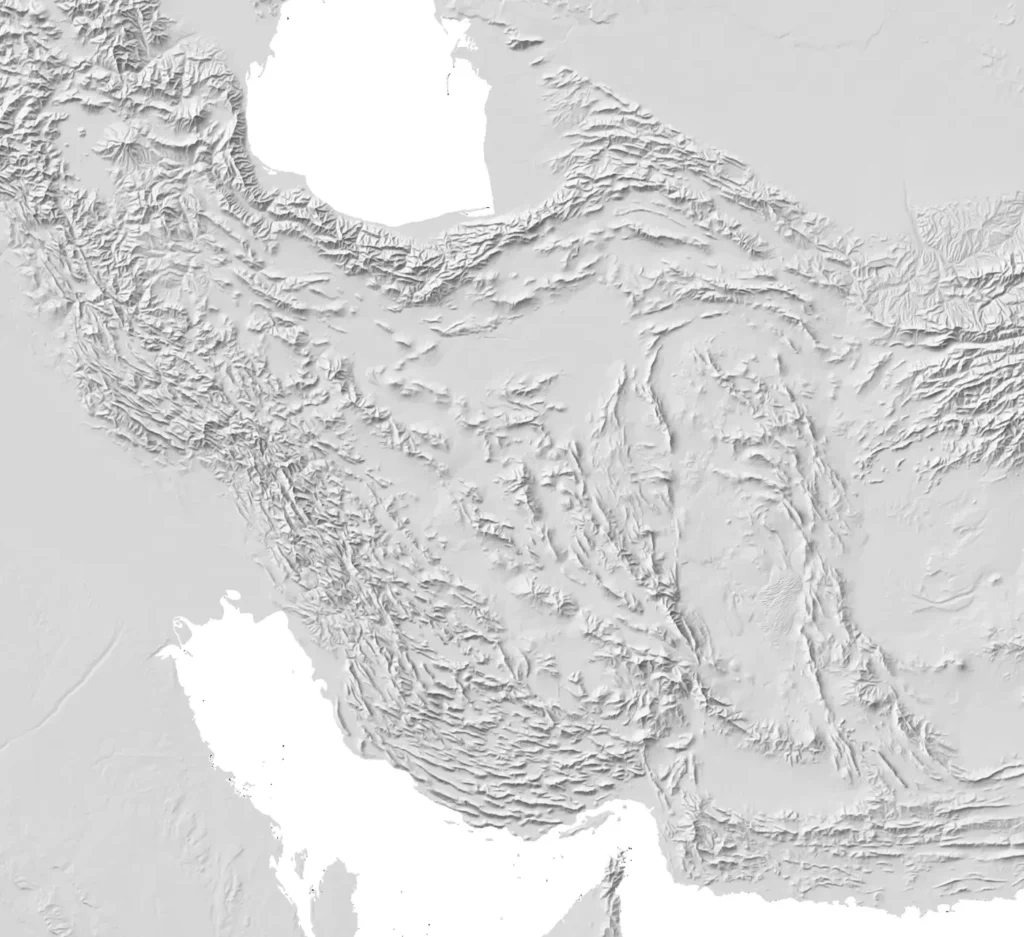
The Strait of Hormuz is a slender stretch of water — just 34 km wide at its narrowest point — lying between Iran and Oman. Despite its size, it plays an outsized role in the global economy. Roughly a fifth of the world’s oil supply passes through this route, along with other essential goods such as fertilisers.
The ceasefire,has been proposed to end a 40-day conflict that began on February 28. As part of the agreement, Tehran has conditionally agreed to reopen the strait, which had remained effectively closed during the hostilities, with attacks on vessels disrupting transit and pushing global oil prices higher.
The proposed fee structure would vary depending on the type of ship, its cargo, and other prevailing conditions, according to Reuters.
Further discussions on the future of the Strait of Hormuz and other aspects of a long-term settlement are expected to take place in talks between the United States and Israel, scheduled to begin in Islamabad on Friday.
Also read | What Iran said in its 10-point plan after Trump’s ceasefre announcement
Gulf countries, including the United Arab Emirates and Qatar, have opposed any move to impose transit fees, calling for the restoration of free navigation and stating that discussions on financial mechanisms should follow the reopening of the waterway.
US-Iran ceasefire
President Donald Trump has announced a two-week suspension of US attacks on Iran, following diplomatic efforts led by Pakistan. The pause comes after Trump’s earlier threats to strike Iran’s bridges, power plants and other infrastructure if the Strait of Hormuz was not reopened by Tuesday evening.
“Based on conversations with Prime Minister Shehbaz Sharif and Field Marshal Asim Munir, of Pakistan, and wherein they requested that I hold off the destructive force being sent tonight to Iran, and subject to the Islamic Republic of Iran agreeing to the COMPLETE, IMMEDIATE, and SAFE OPENING of the Strait of Hormuz, I agree to suspend the bombing and attack of Iran for a period of two weeks,” Trump wrote on Truth Social.
He described the ceasefire as “double sided” and said the U.S. had already “met and exceeded all Military objectives.” Trump added that a 10-point proposal from Iran offered a “workable basis” for negotiations, and the two-week period would allow the agreement to be finalized. He called it “an Honor to have this Longterm problem close to resolution.”
What has happened so far
Since the conflict began with US and Israeli strikes on Iran’s leadership on February 28, movement through the Strait has been severely disrupted. Iran’s Islamic Revolutionary Guards Corps has blocked most traffic, and there have been reports of vessels being fired upon in the Gulf.
Also read | Oil plunges 14%, stocks jump up to 5.6% as US-Iran ceasefire reopens Hormuz
Only a limited number of ships have managed to pass through in recent weeks. There are also unconfirmed reports that at least one vessel paid as much as $2 million to secure passage.
Comparison with other routes
There are precedents for charging transit fees in man-made waterways like the Suez Canal and the Panama Canal. However, natural straits like Hormuz are governed differently under international law.
Other key passages, such as the Turkish straits, allow only limited, standardised charges for services, not for transit itself. Meanwhile, major routes like the Singapore Strait remain free for navigation.
While the Strait of Hormuz remains the most sensitive chokepoint at present, disruptions elsewhere have also occurred. Yemen’s Houthis have intermittently targeted shipping near the Bab el-Mandeb Strait, though alternative — albeit longer — routes exist.
At present, there are no immediate threats to other major passages such as the Strait of Gibraltar or the Øresund.