Passenger flight cuts triggered by surging fuel prices could temporarily affect Hong Kong’s status as a transit hub, but the impact will be relative and depend on how long the Middle East conflict lasts, aviation experts have said.
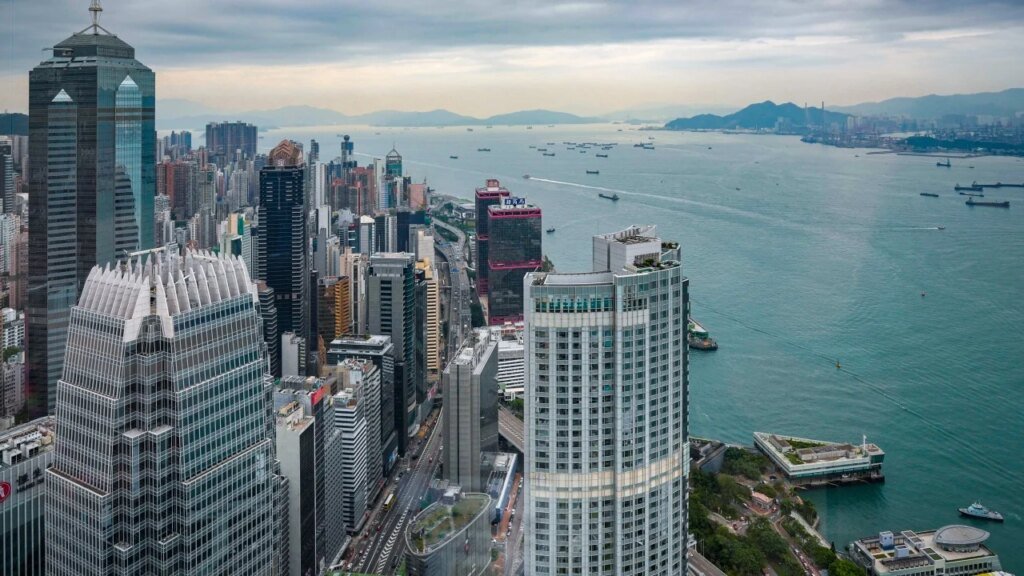
Steven Cheung King-lung, chairman of the Hong Kong Professional Airline Pilots Association, said on Monday that the city faced fierce competition in the region not only from Singapore, but also from the Greater Bay Area, as well as from Japan and South Korea.
“While Hong Kong is no more susceptible [to the impact of the war than its rivals], its competitive edge could be diluted,” Cheung told the South China Morning Post, noting that the city had been relatively slow in its post-pandemic recovery, compared with other places in Asia.
He said airlines would be inclined to consolidate flights with few passengers, but the reduction in local flights could also mean a longer layover for passengers, who may look for other options.
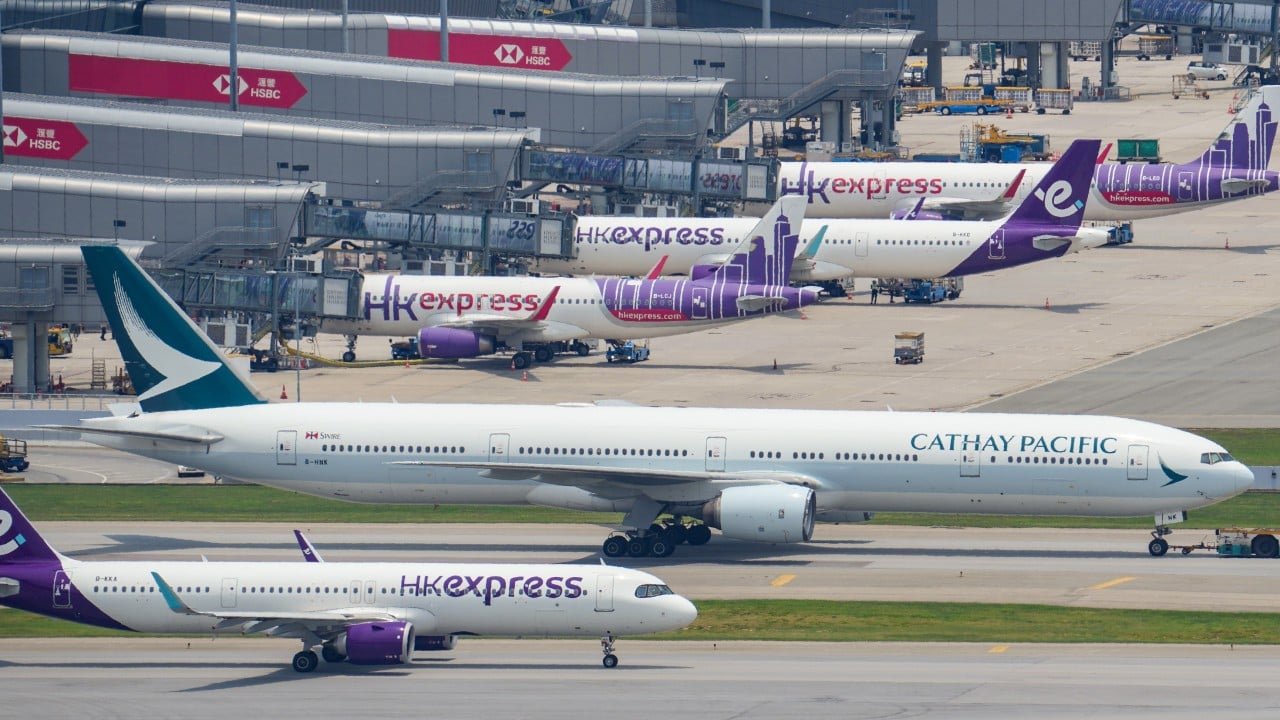
Hong Kong’s flag carrier Cathay Pacific Airways said on Saturday that it would cut about 2 per cent of its flights between May 16 and June 30, mainly on regional routes, as well as a small number of services to Australia, South Asia and South Africa.
The carrier’s budget arm, HK Express, will also cancel about 6 per cent of flights from May 11 to June 30, with Cathay saying cutting capacity was a “last resort” it had to consider to “mitigate part of the increased costs”.
According to Cheung, airlines in Hong Kong were competing with those in Taipei and Tokyo for routes headed to the US and Canada, while the city faces rivals in Thailand, the Middle East and those on the mainland for European routes.