The teachings of philosopher and psychologist John Dewey, who was a major 20th-century education reformer, still resonate with teachers around the world today.
He believed that learning is a social, communal process – requiring students to build their own understanding based on personal experience – and involves a continuous, lifelong journey, rather than merely a means to an end for gaining knowledge for one’s future career. He wrote: “The aim of education is growth: the aim of growth is more growth.”
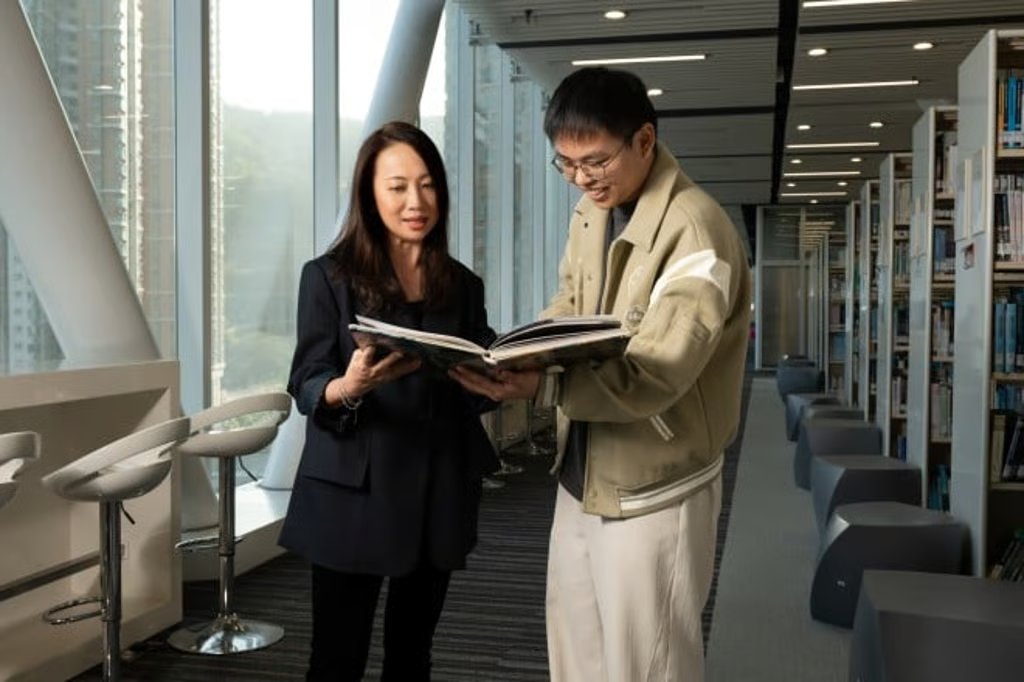
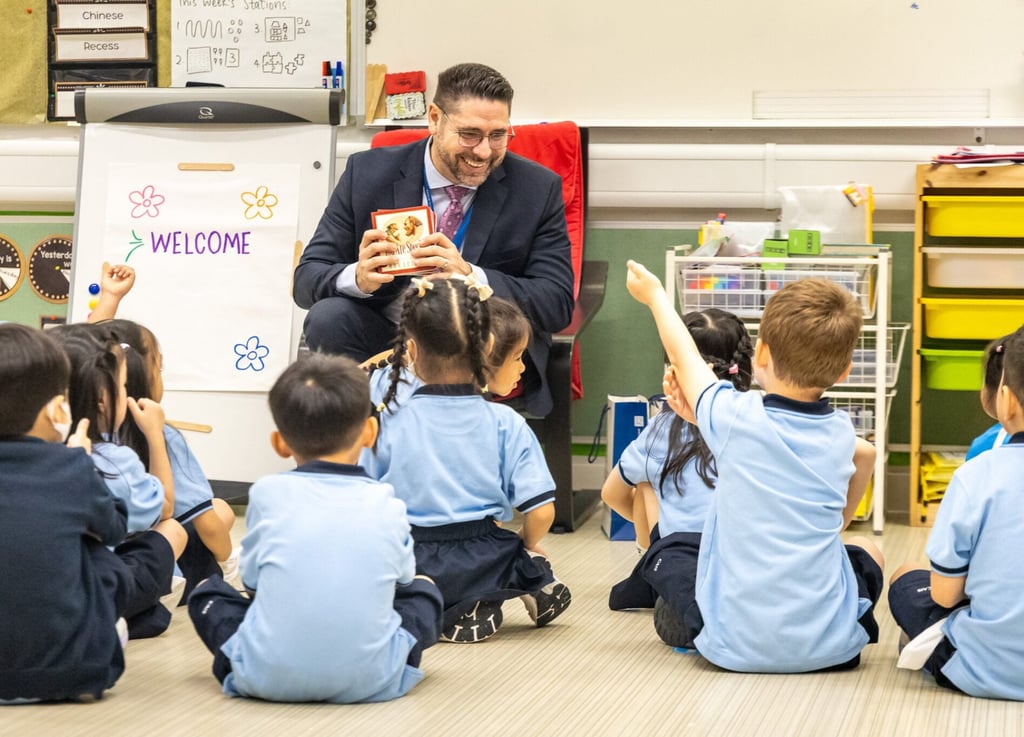
One of today’s educators putting these ideas into practice is Daniel Schick, head of school at Hong Kong’s Christian Alliance International School (CAIS) since last August. He has worked in education in the city since 2008 in various roles, including English teacher, head of humanities and high school principal at CAIS.
“CAIS is blessed with growth,” says Schick in the latest edition of EdTalk, South China Morning Post’s recurring video series of interviews in which experts discuss pertinent issues surrounding education. “Numerically, we’ve been growing every year in student enrolment, but what we are most concerned about is the growth of the students that we have.
“Are they growing emotionally, socially, spiritually and academically? We want to see our students transform through learning, extracurriculars and all the aspects of school life that provide them with leadership opportunities. This is the growth that we seek.”
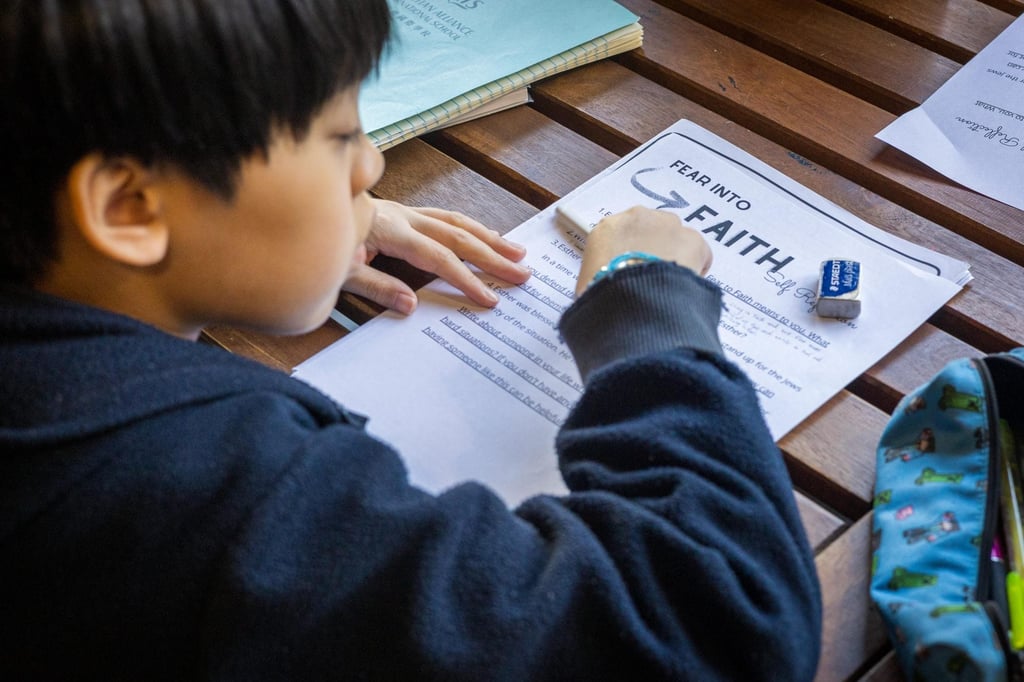
CAIS is a non-profit through-train school in Lai Chi Kok, Butterfly Valley, in Kowloon. It offers Canada’s Alberta curriculum, Advanced Placement courses and International Baccalaureate Diploma Programme to more than 1,700 children representing more than 33 nationalities, aged five to 18, across its preparatory, lower and upper primary, and secondary school sections.
Schick says that, as a “Christ-centred, student-focused school”, CAIS’ success hinges on how he and his team of educators nurture the overall growth and character of the children – as well as their knowledge and skills – while fulfilling its aim of being the “best school for Hong Kong, for the world and for Christ”.
“Every child is unique, which is why CAIS has a flexible curriculum approach to learning as we know there isn’t a one-size-fits-all solution for education,” he says. “We offer different curriculums so that students can enjoy their learning at school and also leverage these pathways for the best university acceptances.”
Schick says that faith and CAIS’ core values – wisdom, integrity, love, service and community – are embedded in the learning process of its students, so that their educational experience throughout their time at the school will shape who they are as a person. When they graduate and enter university and the global workforce, they will be able to be confident leaders of society who value their faith and integrity, he says.
Outside the classroom, CAIS offers a vibrant extracurricular activities programme. Its high school division currently has more than 50 student clubs focused on sports and the arts, where children can find and develop their interests, as well as serve the community.
Schick says more than a third of these clubs are service-focused. The Social Justice Club, which was formed by a group of students at the school and their social studies teacher, is one example.
It now has eight branches and works with several Hong Kong-based NGOs to organise various charitable activities, such as distributing food to the homeless and visits to children and elderly people in hospitals, community centres and care homes for seniors.
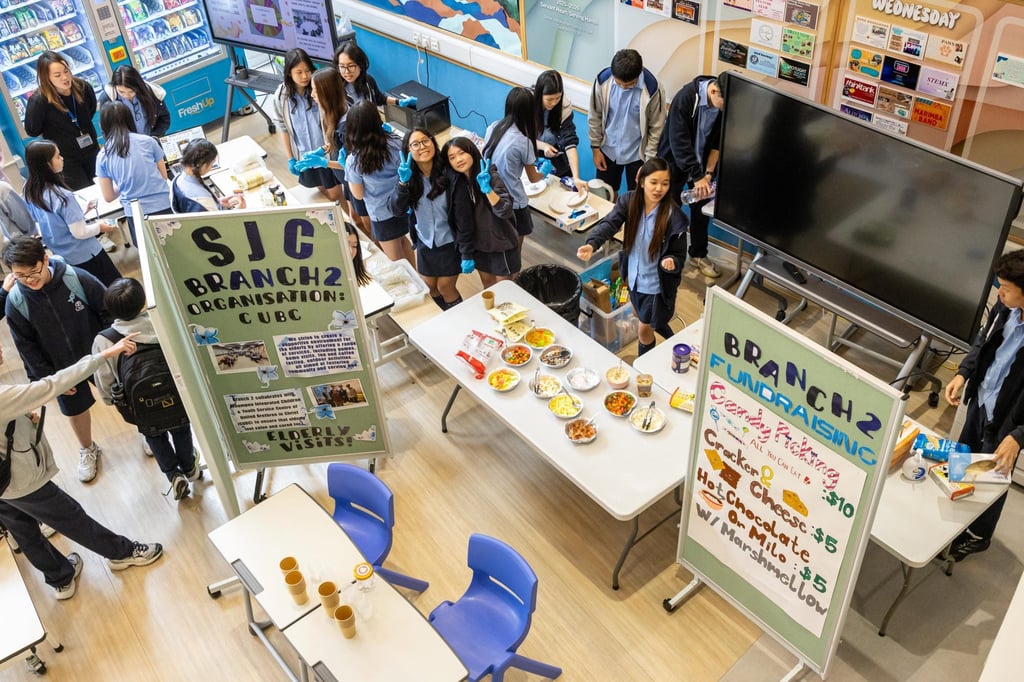
“Young people today want to be involved in things that matter to them and make a difference in society,” Schick says. “I’ve found that many young people find their true calling while they are working on a service project, such as volunteering with an NGO. We also hear stories about students who want to become a teacher after participating in an activity that involves teaching other kids.
“What I really appreciate about these clubs is that they empower students with a voice and agency, and a chance to advocate for causes they care about. It’s amazing to see how much students want to be involved … These are wonderful ways to celebrate our community and pride for the school.”
Together, all these elements form the school’s vision, its definition of holistic Christian education and illustrate its focus on students’ overall development, Schick says.
“We believe the purpose of education is to have a sharp mind, a soft heart and serving hands,” he says. “This is embodied in our students, our graduates and our very purpose as a school.”