Struggling with fatigue, weight gain or mood swings after 30? Know early signs, causes and simple lifestyle changes to manage hormone imbalance effectively.

Written by Muskan Gupta |Published : March 28, 2026 8:01 PM IST
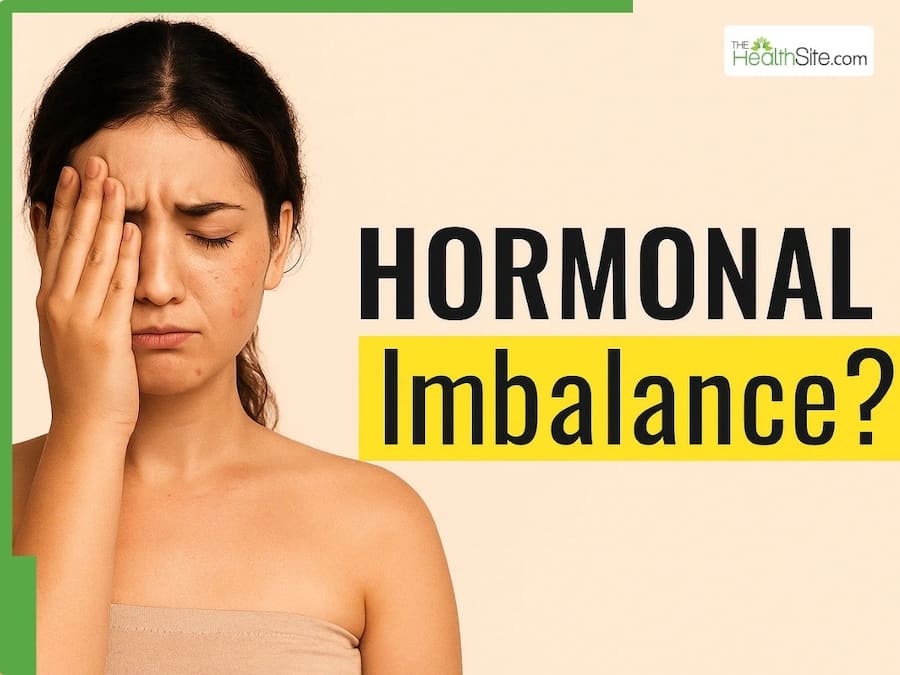
Thirty-something is often a decade marked by ambition and responsibility. Our careers can accelerate rapidly, while our lives and personal plans evolve. However, in the midst of it all, we can often neglect our health. Those subtle signs that we often brush off as the normal ageing process, fatigue, stubborn weight gain and moodiness might actually be the beginnings of a hormone imbalance. Prioritising hormone health after 30 is not just vanity-it is a long-term investment in your metabolic strength, reproductive harmony and cardiovascular health.
Why does hormone health after 30 need attention?
According to Dr Hemant Deshpande, OBGYN at DPU Super Speciality Hospital, Pimpri, explains, “Endocrine changes may occur silently, years before overt signs of perimenopause become apparent, even in your thirties. Your hormonal health relies on the coordinated workings of the hypothalamic-pituitary-ovarian axis, the thyroid hormones, the adrenal hormones and the insulin metabolism system. Your estrogen and progesterone will dictate your menstrual cycles, as well as bone density, vascular integrity and mental equilibrium, while your thyroid hormones regulate metabolism and energy production, and your insulin sensitivity can affect weight regulation and androgen balance. Excess cortisol secretion in response to prolonged stress can trigger the decline of your ovulation hormones, increase belly fat, and disturb sleep, setting off a domino effect of hormonal imbalance.”
Early signs of hormonal imbalance you should not ignore
Common signs often start subtly, such as fatigue despite adequate rest, PMS, irregular menstrual cycles, breakouts, brain fog, anxiety, low sex drive, and weight gain, primarily in the central area. But don’t accept these signs of hormonal imbalance as a normal ageing process.
Women prioritise everyone’s health-family, career, responsibilities-before their own, but this self-neglect inevitably catches up. After 30, that lack of prioritisation manifests as hormonal imbalances, chronic fatigue, weight fluctuations, thyroid disorders, and PCOS, which aren’t just signs of ageing but signals from our bodies. Investing in hormone health post-30 is about vitality, metabolic strength, and future health; and proactive steps like good sleep, strength training, conscious eating, gut health and stress management now can pay dividends later.
How do stress, diet and lifestyle affect hormonal balance?
“Our hormones function as an intricate network. Stress response releases adrenaline for acute danger and cortisol for chronic threats. While this was once life-saving, modern stressors are ongoing. Constant high cortisol levels interfere with sex hormones, negatively impact sleep and mood, and increase blood sugar and appetite,” Dr Hemant added.
Early indicators are often fatigue, abdominal weight gain, low libido, acne, PMS, brain fog and depression. Diet has an impact: Cruciferous veggies support estrogen metabolism; adequate protein helps maintain muscle mass; vitamin D and calcium protect bones; and healthy fats are building blocks for sex hormones. Simple stress-reduction techniques such as deep breathing, meditation, EFT, and yoga can shift the body into repair mode.”
Lifestyle changes that support hormonal health
The effectiveness of lifestyle interventions as the initial steps toward achieving hormonal balance is backed by scientific research. Resistance training enhances insulin sensitivity and helps retain lean muscle mass, while a nutrient-dense diet high in fibre and protein and rich in omega-3s promotes metabolic and inflammatory balance. Quality sleep maintains proper regulation of both cortisol and thyroid hormones. Planned stress management strategies restore neuroendocrine equilibrium.
Beyond fertility, hormonal health is critical for longevity, cardiovascular health, cognitive function and overall quality of life. Women in their thirties have a prime opportunity to take preventative measures now that can significantly influence their well-being in the decades to come.

Disclaimer: Dear readers, this article provides general information and advice only. It is not at all professional medical advice. Therefore, always consult your doctor or a healthcare specialist for more information. TheHealthSite.com does not claim responsibility for this information.

Don’t Miss Out on the Latest Updates.
Subscribe to Our Newsletter Today!