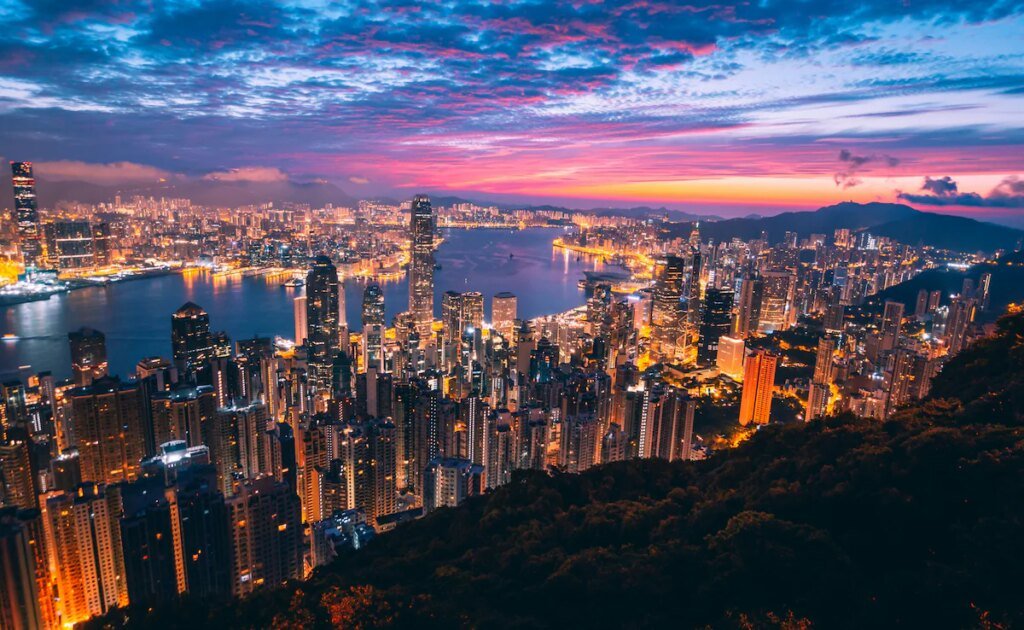
Hong Kong’s travel and tourism sector has not yet fully bounced back from recent shocks but the gap between its current position and 2018 benchmarks is “recoverable,” according to a new report from the World Travel & Tourism Council (WTTC) that recommends investments in key inbound markets and business travel, and a rethink of the city’s offer to encourage longer stays.
Political turmoil and protests in 2019 led to Hong Kong’s international visitor spending dropping from US$49.2 billion in 2018 to US$38.8 billion in 2019, a 21% decline. The sector’s GDP fell 14.3% and 93,000 jobs were lost. Confidence spiralled, leading to a $1.2 billion decline in investment.
A second shock—COVID-19 restrictions— followed in 2020, when international visitor spending plummeted a further 90.1%, and fell another 36.3% in 2021. Spending by domestic visitors fell by 38.6% in 2020 but rebounded by 32.6% in 2021. Nonetheless, the sector’s total GDP contribution contracted by 73.6% in 2020, shedding 128,000 jobs.

The recovery has lagged behind that of regional competitors. Figures for 2025 indicate travel and tourism GDP in the city to have recovered to 98.5% of 2018 levels, whereas Singapore and Macao are now 3.6% and 2.4% above 2018, respectively.
Part of the problem is Hong Kong’s heavy reliance on inbound visitors from both Mainland China and foreign markets such as the US and UK. Overnight stays by arrivals from the mainland are down 23.4%, which the report attributes partly to changing daytripping trends. Many visitors now stay in Shenzhen and use its newly opened Bay Bridge to access the city for short trips, rather than book multi-night stays in Hong Kong.
The maturation of the luxury shopping market in other Chinese cities and the growth of e-commerce have also eaten into Hong Kong’s retail USP, as has the development of more widespread tourism to destinations across the country. These factors are all impacting market share and will not be helped by the launch of Hainan Island Free Trade Port, competing since December 2025 for the duty-free spend that was once Hong Kong’s preserve.
Hong Kong is on the rebound – but the next chapter is about going global.
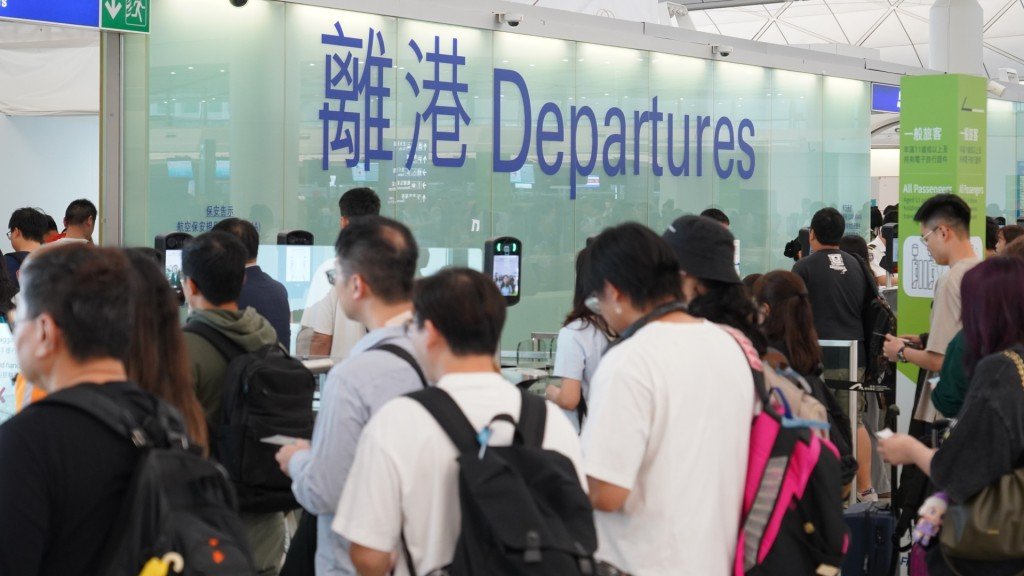
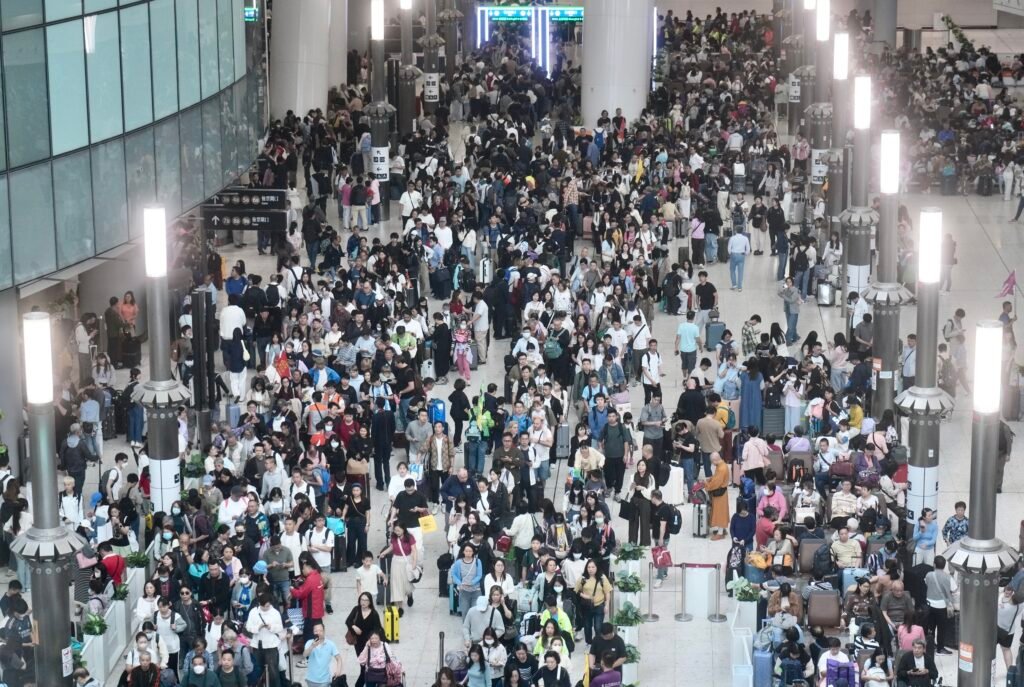
In 2025, the city welcomed 50 million visitors, yet just 24% came from beyond Mainland China.
Travel & Tourism already contributes $56.4BN and supports 587,000 jobs -nearly back to pre-2018 levels after… pic.twitter.com/wUmpc66ckb
— WTTC (@WTTC) April 1, 2026
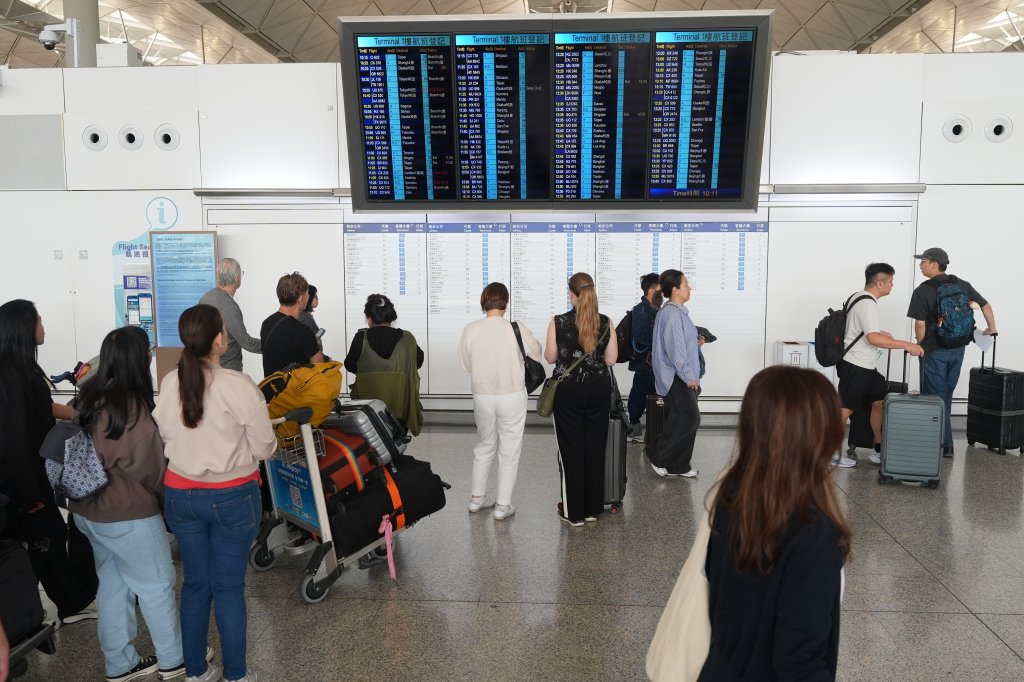
Major international source markets also “show substantial room for recovery,” the report notes. Inbound visitors from South Korea are down 29.2% on 2018, from the United States by −28.1%, from Japan −35.7%, and from the UK by −40.5%. Total international visitor arrivals to Hong Kong are forecast to have hit 50.3 million in 2025—but that’s still 22.9% below the 2018 peak of 65.3 million, whereas Macao and Singapore are only 12.6% and12.4% below their previous peaks. This reveals Hong-Kong-specific issues. The city tourism board’s Industry Snapshot, from February 2026, points particularly to air connectivity constraints, as flight numbers in and out remain 15% down on 2018. Cathay Pacific is launching new routes, for example to Seattle, but has had to raise fuel surcharges from 1 April 2026 due to the Middle East oil crisis—a potential geopolitical barrier to improving aviation capacity in the short-to-mid-term.
Furthermore, the loss of international MICE visitors, who are reported to have relocated in numbers to Singapore, means spending by business travellers is 16.8% below 2018 levels, which, the WTTC analysts say, “has a disproportionate impact due to the higher spending tendencies of business travellers.”

Nonetheless, the situation can be helped by a pivot to reimagine Hong Kong as an experiential destination where luxury shopping is only part of the equation, complemented by gastronomy, neighbourhood exploration, curated itineraries, and bundled experiences that encourage longer stays.
The WTTC also calls for advertising in diversified key markets, such as India where the outbound tourism market is fast-growing thanks to the rise of the middle class. Business travel can be re-energised too, through targeted incentives, streamlined entry processes, and strategic bidding for international conferences, while long-haul demand can be restored through renewed airline partnerships, the report says.
Overall, the Hong Kong travel and tourism “has made meaningful progress since the dual shocks of the 2019 turmoil and COVID-19 pandemic,” WTTC reports, but with the sector worth 14% of the city’s GDP, it is “crucial to ensure its quick recovery, and in this, the Hong Kong Tourism Board (HKTB) has a critical role to play.”