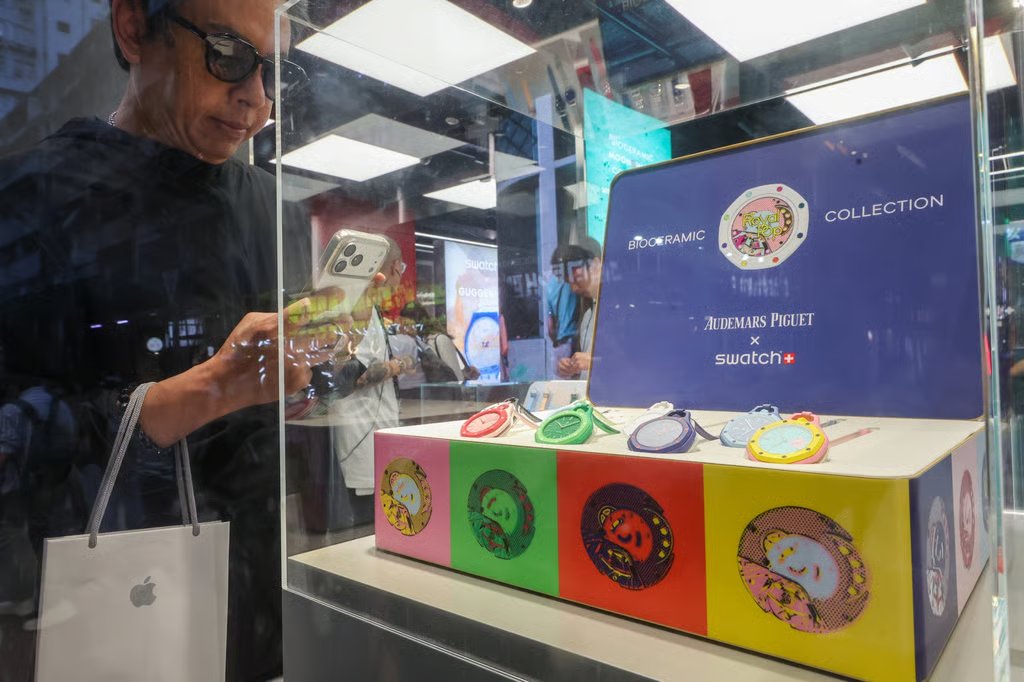
Hong Kong’s retail sector is expected to remain bleak through early next year, an industry representative has warned while calling for rental reductions of at least 30 per cent.
The decline followed 15 months of continuous growth after the coronavirus pandemic, with authorities attributing the slowdown to changes in consumption patterns, the strong Hong Kong dollar, and outbound summer travel.
“The trend will continue to the end of the year or even early next year. The situation may improve slightly next March or April because the base figure in 2024 is low enough,” she told a radio programme on Monday.
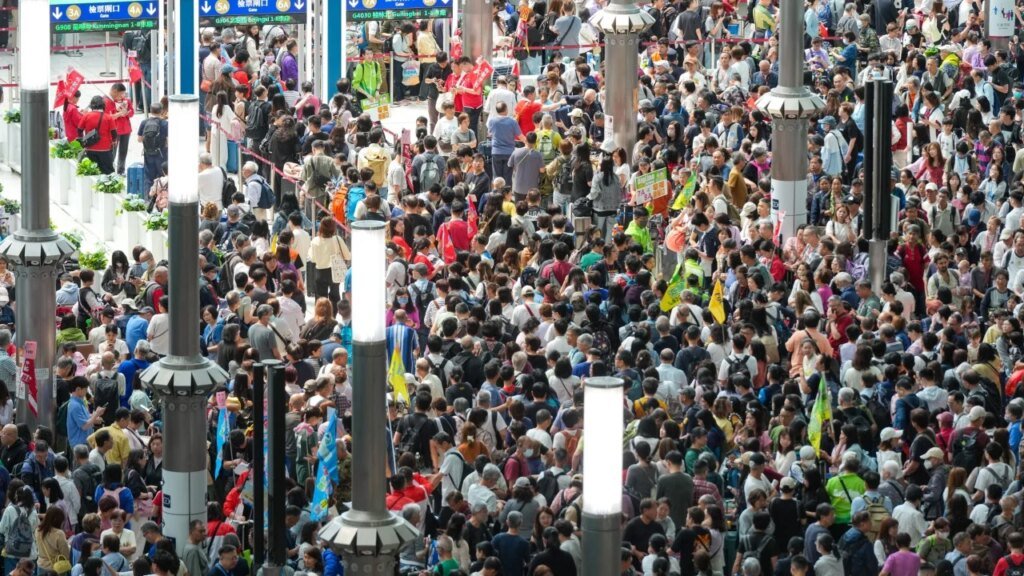
Tse said the recent increase in the number of inbound travellers had little impact on alleviating retail woes, as the anticipated boost during the Labour Day golden week and the summer season were minimal.
“Consumption patterns have changed. Previously, retail sales were mainly driven by mainland tourists, but now most of them come here for sightseeing and don’t spend much,” she said.
“A 30 per cent rent reduction is necessary to truly help the industry … Some of our members got a five to 10 per cent cut, which is better than nothing but does not reflect the market realities.”
Tse added that while the government had been promoting a mega event economy, a lack of communication with the industry often left retailers unprepared.
She urged authorities to provide details about coming events at least three months in advance and to enhance promotional efforts to help the city capitalise on these opportunities.
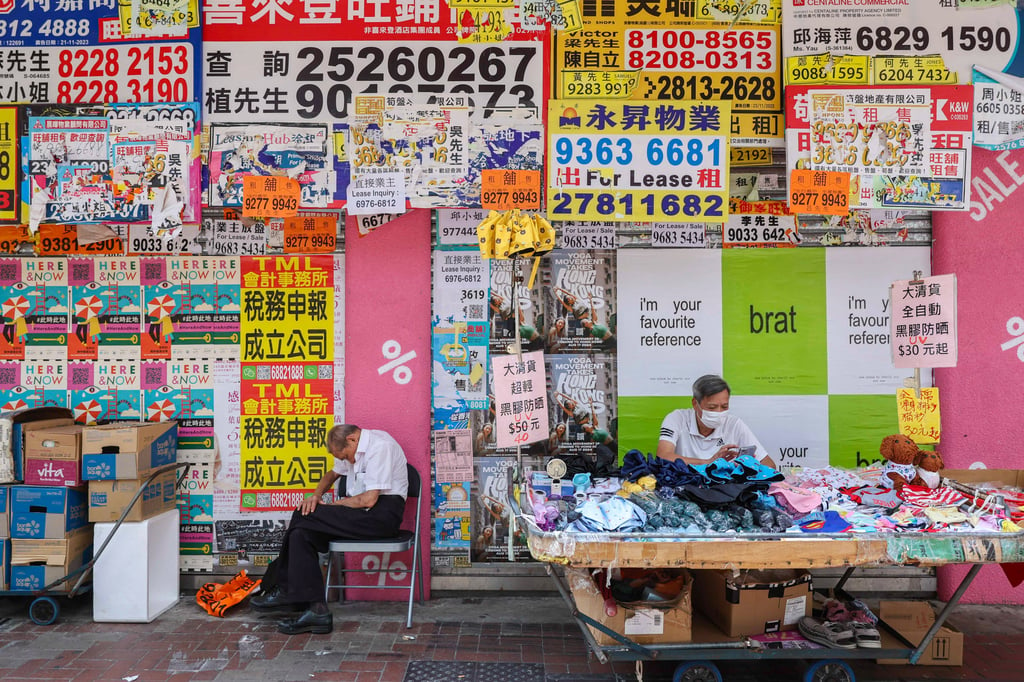
But Lau Chun-kong, managing director of Colliers Hong Kong, a commercial real estate agency, said in the same radio interview that the rental market had been “flexible” regarding rent adjustment and lease terms.
“It’s overly simplistic to say rent was the only factor. It usually accounts for a single-digit percentage of the total sales. For some, it would go up to 20 per cent,” he said.
“But if the percentage increased sharply because the sales declined, the business model or the location may no longer be suitable – we have to look at the cost structure like this.”
Lau also noted that vacancy rates in shopping centres tended to be lower than those of street-level shops, as landlords of the latter might lack professional expertise and ability to respond promptly to market developments.
At least a dozen restaurants have closed or announced closures, according to a review by the Post based on social media posts and media reports.
They included nine outlets, or almost half of Outback Steakhouse, Wan Chai’s Nebraska steakhouse and Shatin Inn Restaurant, a 60-year-old eatery featured in many local films.