Police in eastern China’s Zhejiang province have detained Yu Faxiang, the chairman of Hong Kong-listed Haichang Ocean Park, as authorities investigate alleged mismanagement following defaults on multibillion-yuan wealth products issued by a firm under his control.
It is the latest crackdown on mainland China’s shadow banking system, continuing years of government efforts to clean up the sector.
Police have imposed “criminal compulsory measures” against Yu and were conducting a probe into his alleged wrongdoings, Haichang, mainland China’s largest marine theme park operator, said in an exchange filing on Tuesday, adding that it had been notified by Yu’s family about the matter.
Do you have questions about the biggest topics and trends from around the world? Get the answers with SCMP Knowledge, our new platform of curated content with explainers, FAQs, analyses and infographics brought to you by our award-winning team.
The development comes just six months after Sunriver Holding Group, which is controlled by the billionaire, spent HK$2.3 billion (US$295.7 million) to buy a 39 per cent stake in Haichang.

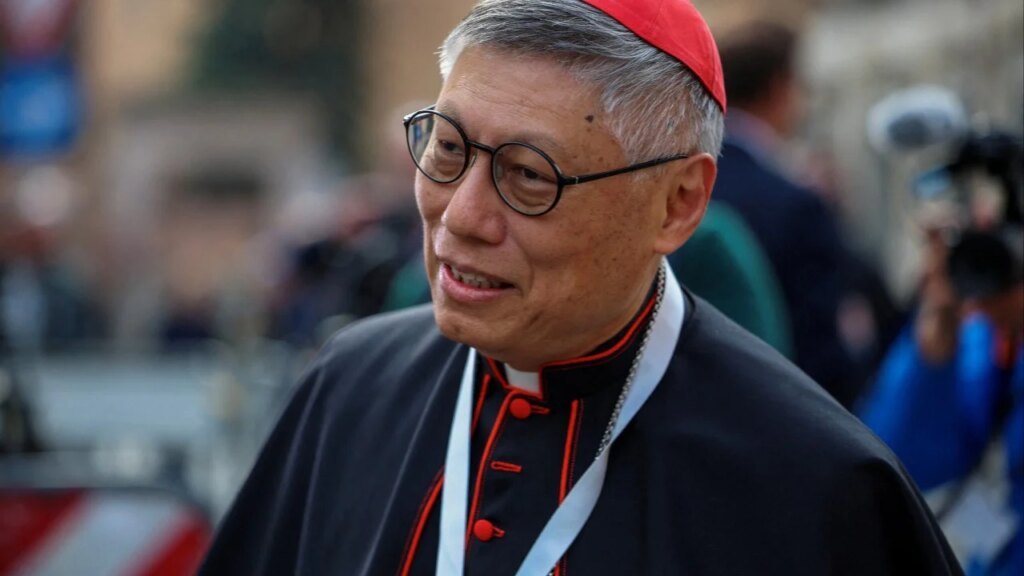
Yu Faxiang, the chairman of Hong Kong-listed Haichang Ocean Park, has been arrested on the mainland. Photo: Xinhua alt=Yu Faxiang, the chairman of Hong Kong-listed Haichang Ocean Park, has been arrested on the mainland. Photo: Xinhua>
Sunriver Holding also has two Shanghai-listed subsidiaries – Sunriver Culture Tourism and Anhui Gourgen Traffic Construction. Both companies released statements confirming Yu’s detention.
Earlier this month, a redemption crisis affected thousands of investors who bought wealth management products linked to a real estate project operated by Sunriver Holding.
On December 7, the three listed firms said in exchange filings that there had been delays in the repayment of the wealth management products, and said Yu would bear the related liabilities.
Shares of Haichang, which owns Shanghai Haichang Ocean Park, slumped 6.3 per cent to HK$0.45 on Tuesday morning. Sunriver Culture shed 2.8 per cent to 5.91 yuan and Gourgen Traffic lost 4.6 per cent to 7.60 yuan.
Wealth management products, a big part of China’s shadow banking system, are targeted at depositors with an appetite for low risks, with the funds from these products typically invested in fixed-income and money market instruments.
A large portion of the products was sold via peer-to-peer (P2P) lending platforms on the mainland.
Data from Zhejin Asset Operation, a P2P platform, showed about 10 billion yuan of borrowings by Sunriver Holding had matured this month.