Published on
March 30, 2026

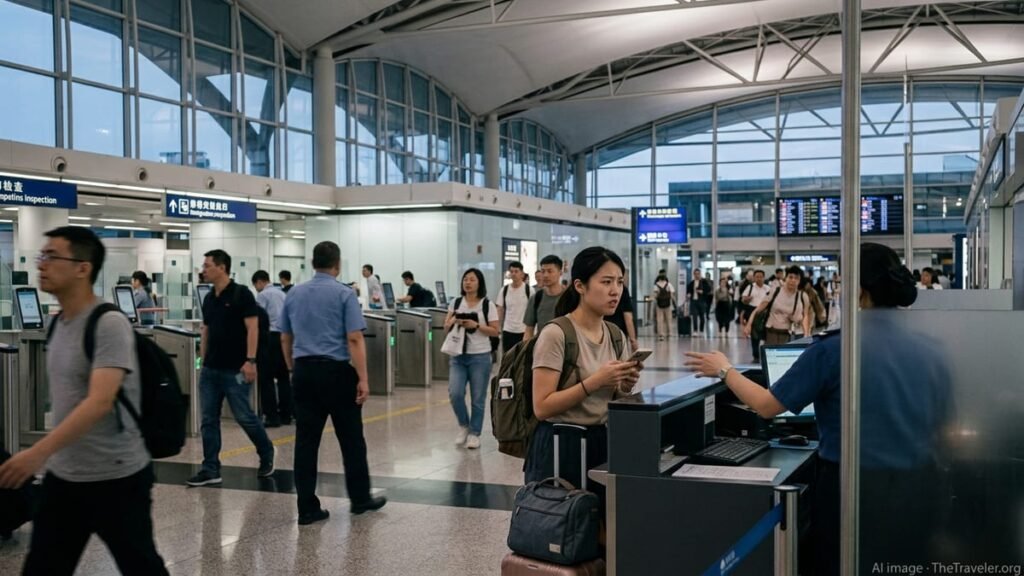
Image generated with Ai
Hong Kong Joins Japan, South Korea, Singapore, UK, Canada, US and New Zealand in Tightening Immigration Rules Across Asia, New Device Password Law Aims to Protect Tourism in 2026
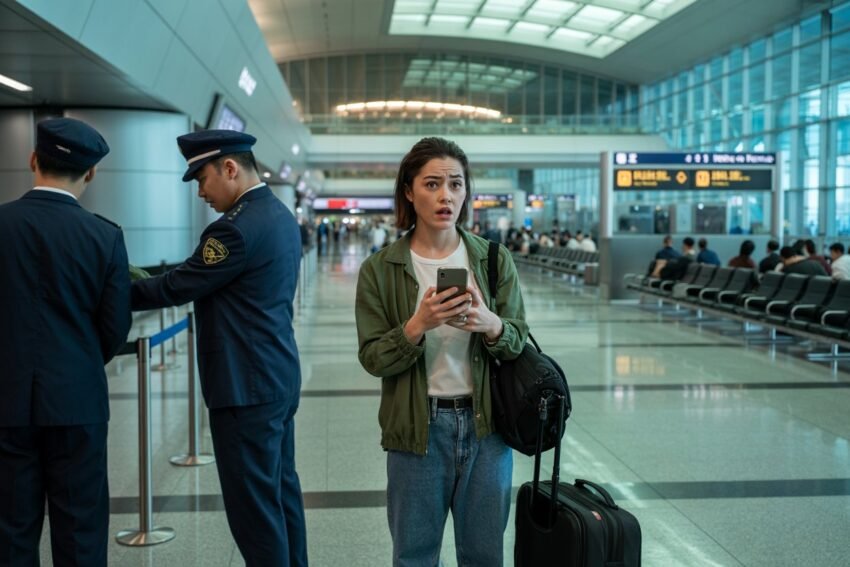
In a significant shift to Hong Kong’s immigration policies, a new law came into effect as of this past Saturday. This amendment grants Hong Kong immigration, customs, and police officers the authority to demand passwords from travellers to unlock their electronic devices. Laptops, smartphones, and tablets can now be subject to inspection as authorities aim to monitor the contents of devices belonging to individuals entering or transiting through Hong Kong.
For tourists heading to Hong Kong, this change introduces a new layer of security and potential inconvenience. Visitors who are already accustomed to stringent security measures at airports worldwide may now face further scrutiny when travelling through Hong Kong. Hong Kong’s popular attractions and growing tourism market have long been a magnet for international travellers, and with these new regulations, those planning trips to the region must be aware of these changes.
Impact on Tourists
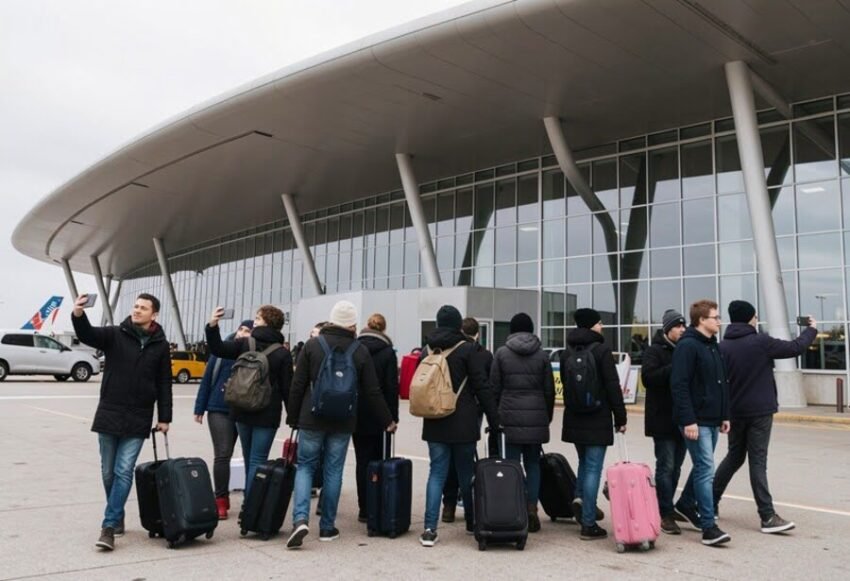
The new law applies to anyone travelling into or through Hong Kong, regardless of nationality. Tourists arriving in the city from overseas, or those who are just transiting through the airport on their way to another destination, will need to be prepared to unlock their electronic devices upon request by customs or immigration officers.
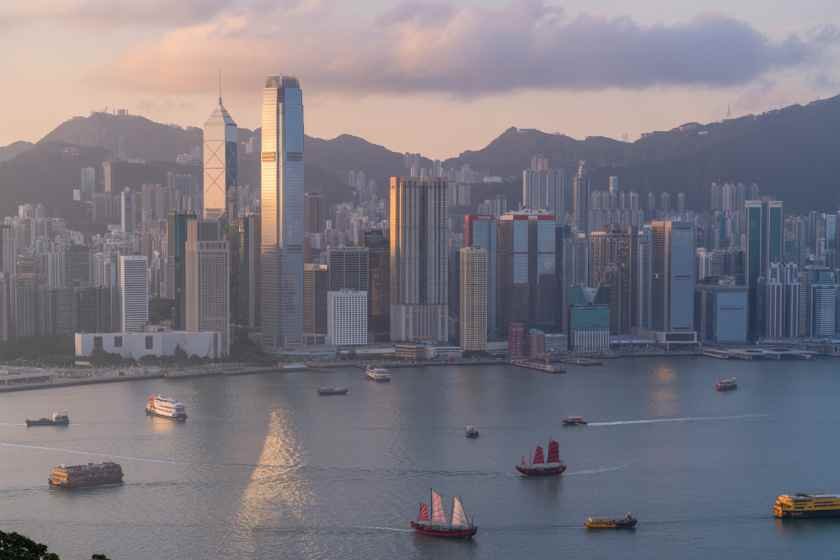
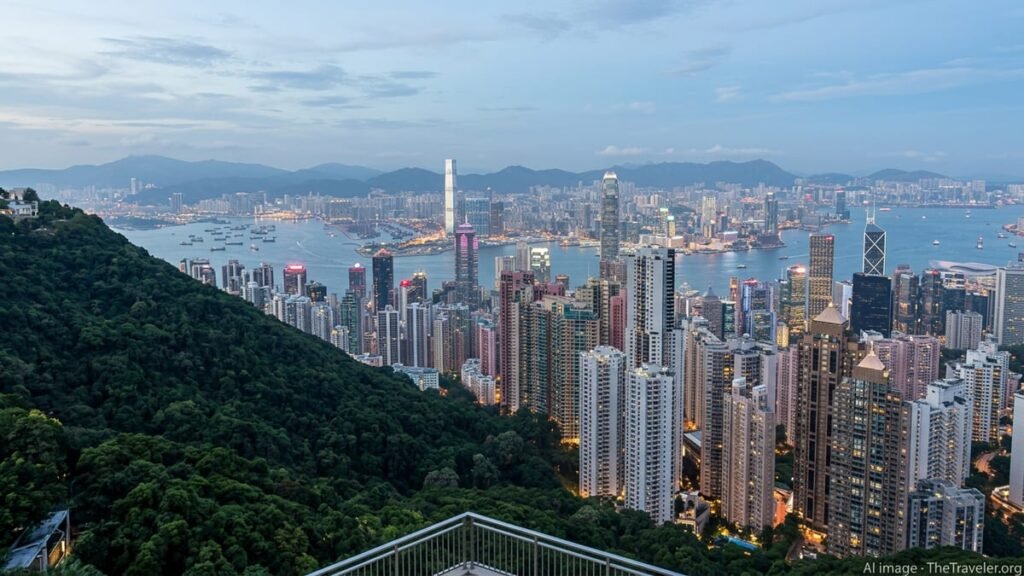
Tourism in Hong Kong has always been influenced by its international appeal, with visitors flocking to world-famous landmarks like Victoria Peak, Disneyland Hong Kong, and the bustling shopping districts of Tsim Sha Tsui. Now, these travellers will be required to provide “reasonable assistance” when asked to unlock their devices for inspection. This means that visitors could be asked to unlock their phones or laptops, allowing officials to browse through the content stored within.
The amendment grants authorities considerable discretion to scrutinise not only personal communications but also files, images, and other content. While the regulation aims to enhance security and combat crime, tourists need to understand that non-compliance could result in penalties or refusal of entry.
Tourist Privacy Concerns
This change has raised concerns regarding the privacy of visitors, as sensitive personal information, travel details, or work-related documents could be exposed during these checks. However, it is worth noting that Hong Kong’s authorities have insisted that these powers are meant to be exercised responsibly, only when necessary, and to prevent activities such as terrorism and human trafficking. While these goals are framed as matters of national security, the new rule is still likely to cause some discomfort among travellers who are now tasked with a new level of transparency.
Advertisement
Advertisement
For those planning to visit Hong Kong soon, it is crucial to be aware of the implications of this regulation. Devices with important personal or business information may be subject to review, and visitors will be required to comply with officers’ requests. The new rules serve as a reminder to tourists of the increasing role that technology and data security play in international travel.
What Tourists Can Expect
Travellers planning trips to Hong Kong may want to take a few precautions before embarking on their journey. First, ensuring that all important or sensitive data on their devices is protected could be a useful first step. This could include locking certain apps with additional passwords or using encryption for documents. Additionally, those traveling with work-related devices may want to ensure that only necessary files are stored on their laptops or smartphones, reducing the risk of disclosing sensitive information.
The new immigration regulations are not an isolated case. Similar practices have been implemented in other countries, where authorities have the right to inspect devices as part of their security measures. While the scope of such policies varies from country to country, tourists to Hong Kong will now face the prospect of more stringent checks as they move through customs and immigration.
What Happens If You Refuse to Unlock Your Device?
While travellers are required to assist authorities in unlocking their devices, what happens if someone refuses? In the case of non-compliance, Hong Kong immigration officials have the power to detain the individual or even deny entry into the territory. This creates a challenging situation for tourists who may feel uncomfortable with the request. As the global landscape of privacy laws continues to evolve, it will be interesting to see how these regulations are enforced in the coming months and how they impact tourist behavior in Hong Kong.
Understanding the Legal Framework
The new powers granted to immigration and customs officials in Hong Kong are part of broader efforts to modernize the territory’s security apparatus. While the law is designed to combat illegal activity, it also reflects the increasing importance of data in global law enforcement practices. By aligning Hong Kong with global security standards, the authorities aim to create a safer environment for both residents and tourists alike. The focus remains on increasing the detection of serious crime, such as organized criminal activities and cybercrime, where access to digital devices is often key.modernise
For tourists visiting Hong Kong in the near future, it is wise to familiarise themselves with the updated regulations. A proactive approach, such as ensuring devices are password-protected and encrypted, can help travellers experience minimal disruption at the city’s customs and immigration checkpoints.
Conclusion
As Hong Kong’s new immigration laws take effect, travellers entering or transiting through the city will need to adjust to a new set of expectations regarding device checks. The law grants Hong Kong’s customs and immigration authorities the ability to demand passwords for electronic devices, a move aimed at enhancing security and preventing crime. For those planning to visit, it is important to be aware of these changes and understand what to expect during the immigration process.
As Hong Kong remains a key global travel destination, tourists must adapt to these new regulations to ensure smooth and hassle-free travel. Whether exploring the famed Victoria Harbour or enjoying the city’s vibrant street food scene, visitors should keep in mind the increasing role of technology in international travel and be prepared for the new security measures at Hong Kong’s borders.
Advertisement
Advertisement