Published on
February 28, 2026

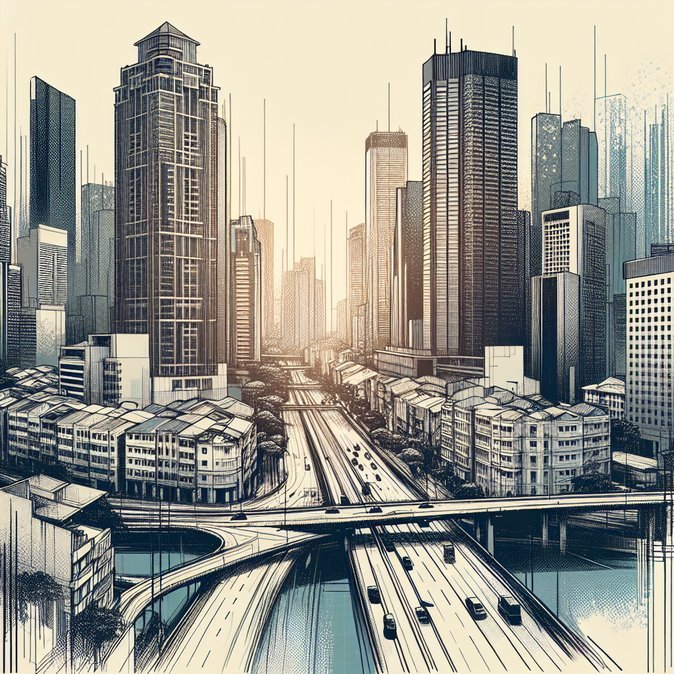
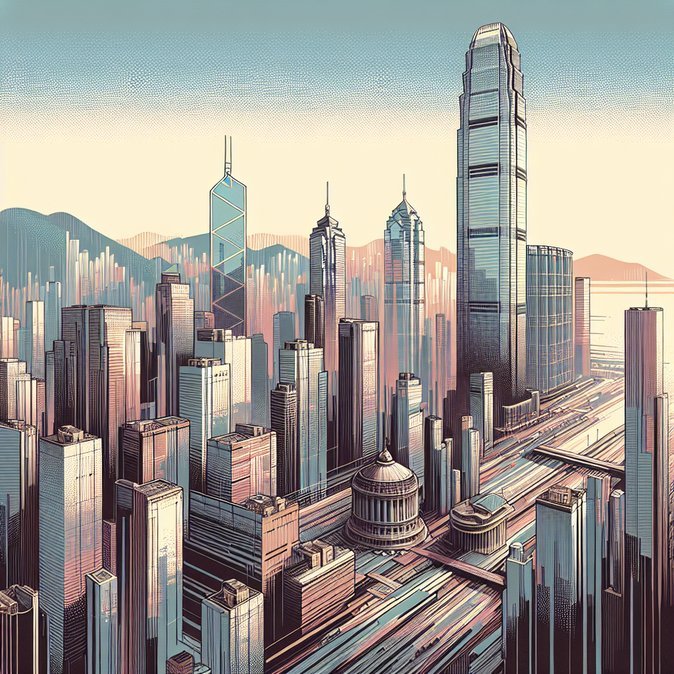
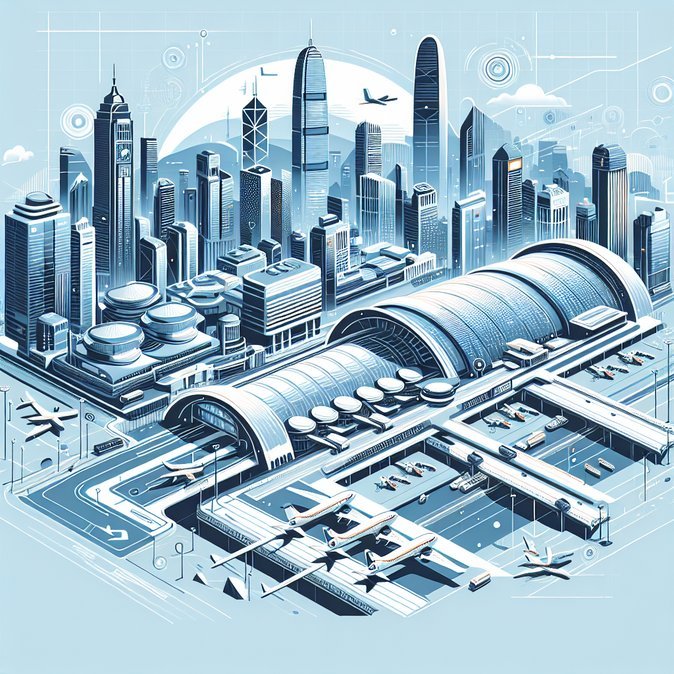
Image generated with Ai
Hong Kong International Airport (HKIA) is set to introduce a groundbreaking new service with the launch of driverless buses connecting Terminal 2 to the Hong Kong-Zhuhai-Macao Bridge. This move is part of the airport’s continuous efforts to enhance convenience and efficiency for passengers, offering a seamless travel experience. With autonomous technology becoming increasingly integrated into public transport, HKIA aims to provide a futuristic, reliable, and eco-friendly transportation solution that reduces wait times and improves overall accessibility between key airport terminals and the bridge. This innovative step not only boosts passenger convenience but also positions HKIA as a leader in airport automation.
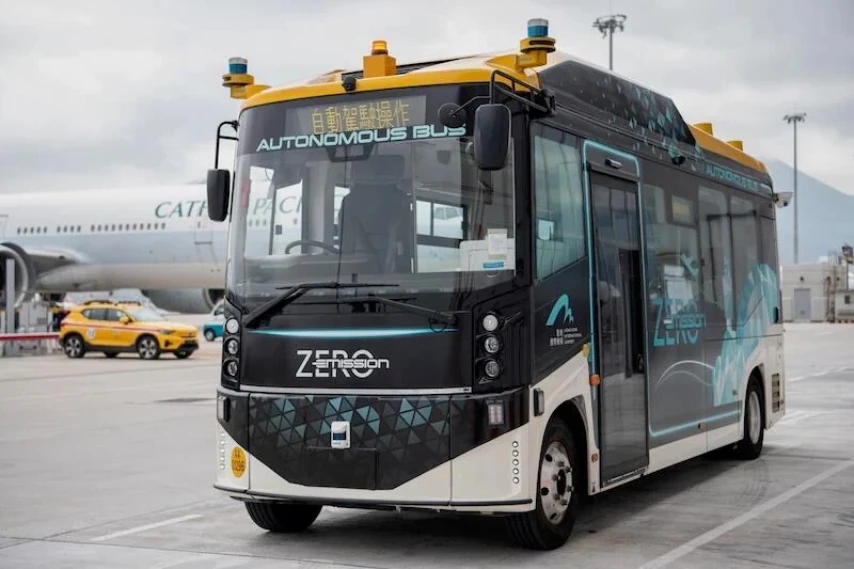
Hong Kong International Airport (HKIA) is making a major leap in transportation innovation by launching driverless buses to connect Terminal 2 with the Hong Kong Port of the Hong Kong-Zhuhai-Macao Bridge (HZMB). This initiative marks a significant step in the integration of autonomous technology into public transport systems, offering passengers a convenient and futuristic way to travel within the airport precincts.
The new autonomous bus service will feature vehicles capable of carrying up to 16 passengers each. Once fully operational, the service is expected to handle a remarkable 2,000 passengers per hour in each direction, making it an efficient transport solution for travellers. While the route itself covers a relatively short distance—currently taking about five minutes by car or taxi—these driverless buses are designed to offer a seamless and hassle-free travel experience.
This move by HKIA is not entirely unexpected, given the growing trend of automation in various sectors, including public transport. Since 2019, the airport has already been utilizing a fleet of 70 autonomous vehicles and electric tractors to handle baggage transfers, air cargo duties, and security patrols. These autonomous systems have already proven their worth in non-passenger functions, laying the groundwork for more widespread adoption of driverless technology within the airport.
Advertisement
Advertisement
Despite past challenges with autonomous vehicles, such as the temporary suspension of a driverless shuttle service following a collision last year, the airport has continued to press forward with its efforts to integrate autonomous technology into its infrastructure. The incident, which occurred in a restricted airside area, did not result in any injuries, and the service has since been re-evaluated for improvements to ensure safety moving forward.
The driverless buses will operate landside, providing an efficient link between Terminal 2 and the Hong Kong-Zhuhai-Macao Bridge port. This new service will greatly enhance the accessibility and convenience for travellers, especially those needing to move quickly between terminals and the bridge. The buses are expected to complement the existing transport options, making travel smoother and more streamlined for passengers using the bridge.
Advertisement
Advertisement
The introduction of autonomous buses is part of a broader strategy to modernize and expand the facilities at HKIA. The new Terminal 2, which will officially open its expanded passenger and departure facilities on May 27 this year, will be an ideal starting point for this innovative transport solution. While no exact launch date for the autonomous bus service has been announced, it is anticipated that it will be operational soon after the terminal’s opening.
HKIA’s autonomous bus service is part of a larger push by airports worldwide to incorporate cutting-edge technologies into their operations. The move reflects the growing trend of integrating automation into everyday travel, enhancing efficiency, reducing human error, and improving the overall passenger experience. As autonomous technology continues to evolve, we can expect more airports and transportation hubs to explore similar initiatives.
Advertisement
Advertisement
HKIA’s upcoming driverless bus service promises to revolutionize landside travel between Terminal 2 and the Hong Kong-Zhuhai-Macao Bridge port. With a focus on safety, efficiency, and convenience, the autonomous buses are set to become an essential part of the airport’s infrastructure. As HKIA continues to embrace automation, passengers can look forward to a future of travel that is faster, more efficient, and more futuristic than ever before.