The group’s latest acquisition was the Bay Bridge Lifestyle Retreat, a 435-room waterfront hotel in the western New Territories overlooking Tsing Ma Bridge. It paid HK$1.42 billion last year for the property, which is due to reopen in July in time for the summer holidays under its new name, the Grand Bayview Hotel, Cheng said.
The average occupancy rate in the first quarter of the year hit 70.6 per cent, one of the highest in the region and comparable to Singapore’s 73.7 per cent and Thailand’s 70.7 per cent, according to data from STR, which tracks hotel performance. Those cities reopened their doors to tourists much earlier than Hong Kong did.
The numbers are only going to improve, said Jesper Palmqvist, senior director for Asia-Pacific at STR, as they have yet to fully reflect Beijing’s scrapping of travel curbs that began in January.
“We are still missing flights and a general travel flow outbound from China. We read about interest and searches yes, but actual booking and staying is still yet to take off to a large degree,” Palmqvist said.
“We stand by our previous forecast that it won’t be until the second half of the year, and gradually, that volumes pick up more. As a test, it will be interesting to see … during the [May Day holiday week] how many choose to go abroad instead of taking a domestic holiday.”
The last three years were a far cry from Hong Kong’s record year in 2015 when hotel investment hit US$3.5 billion, according to Jonathan Law, vice-president of investment sales at JLL in Hong Kong and Asia-Pacific.
“Deals in 2022 reached US$806 million, with all of them being for conversions into co-living or student accommodation,” Law said. “Hotel transactions are likely to pick up in 2023 in newly reopened markets such as Hong Kong and mainland China.”
So far this year, there have only been two hotel transactions in the city, according to Jack Tong, director, research and consultancy at Savills Hong Kong. The first was the acquisition of the 546-room The Kimberley Hotel in Tsim Sha Tsui by China Tourism Group for HK$3.4 billion and the second was the sale of the A3 hotel in Jordan.
There are about 30 hotels on the market now, but potential buyers and vendors are finding it difficult to agree on a price, Tong said.
“The sentiment is turning good, in fact too good and that has actually made a lot of vendors firm up their asking price,” he said. “That’s why we only saw two deals done in the first quarter.
“During the Covid-19 period, we saw owners willing to accept a 15 to 20 per cent discount. Now it’s just between 5 and 10 per cent.”
Confidence in the segment has been bolstered by the 4.4 million tourists who had visited Hong Kong as of March, though this is still only a quarter of the total number of visitors in the same period of 2019.
The Hong Kong Tourism Board has forecast tourist arrivals of about 26 million this year, almost 30 per cent of pre-Covid numbers.
One potential deterrent in the market is rising interest rates.
That makes markets like Japan an attractive option for hotel property investors, said Koichiro Obu, head of real estate research at asset manager DWS.
“High borrowing costs could still be an issue in some markets, but this is not the case for stabilised assets in Japan,” he said.
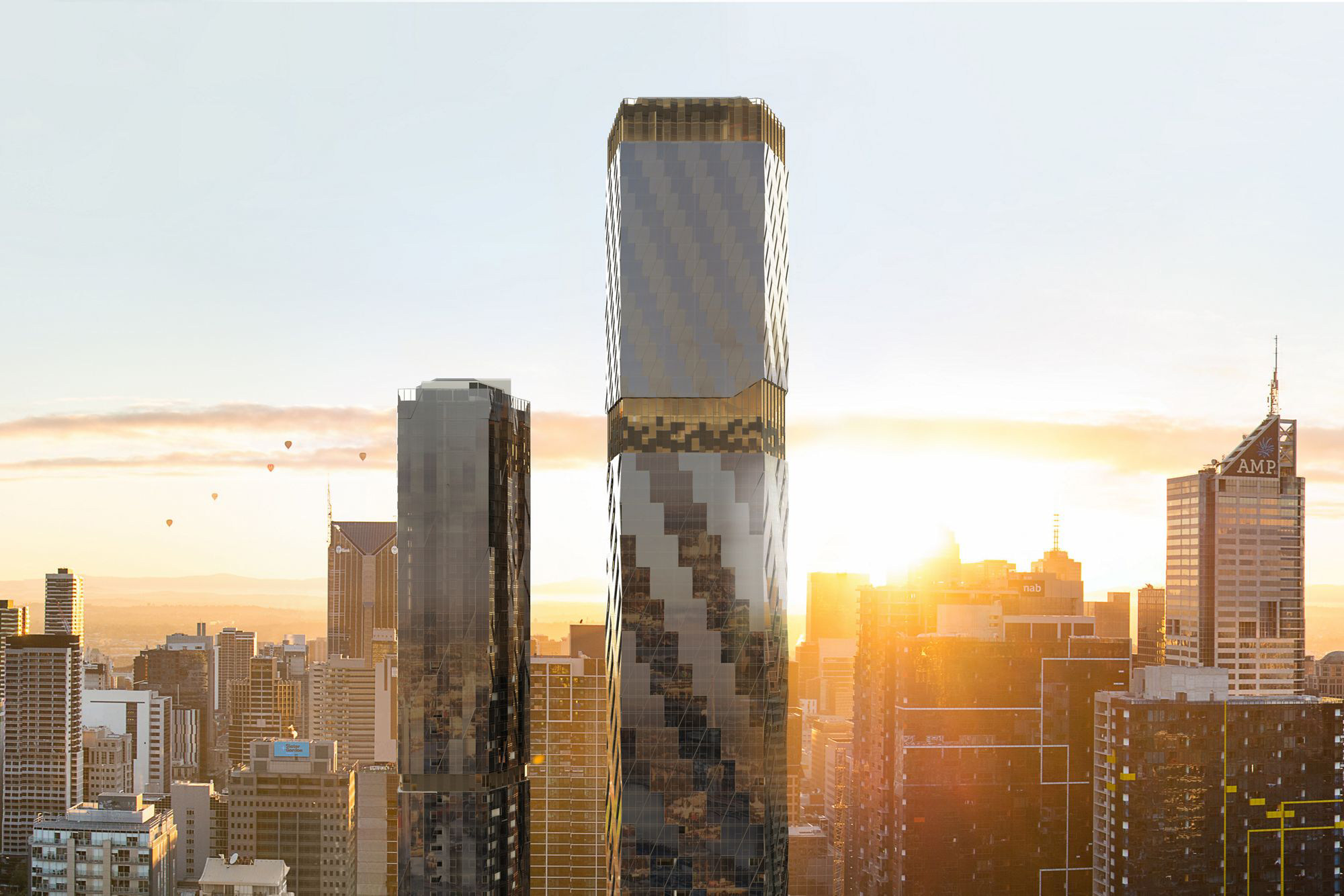
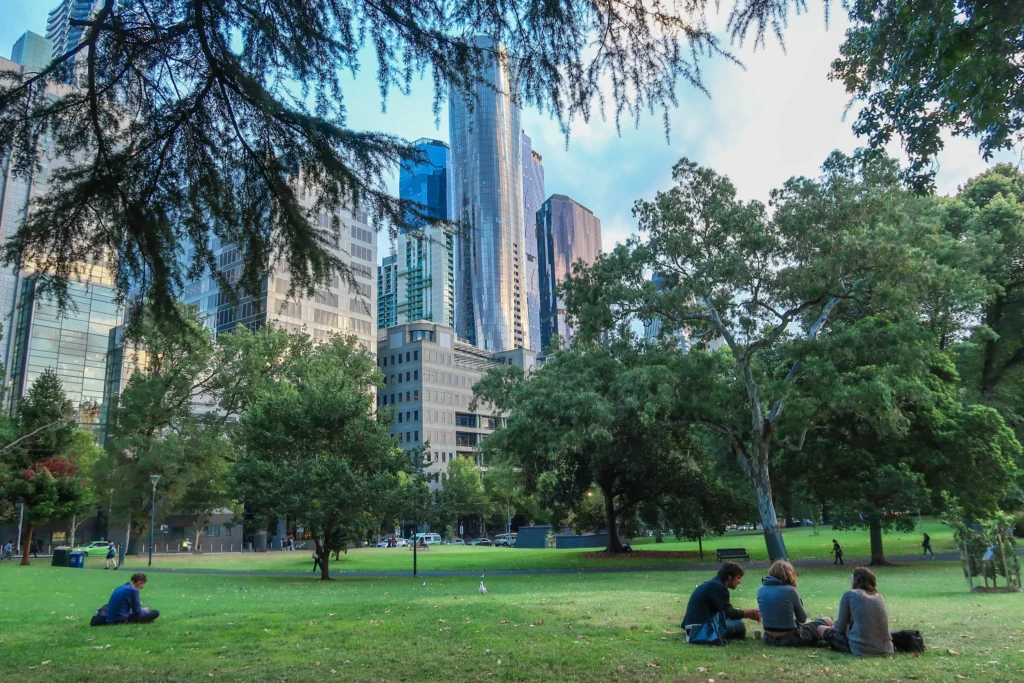
In March it opened the 257-room Ritz Carlton Melbourne, and this month it opened the Dorsett Melbourne with 316 guest rooms.
“FEC adopted a strategy of diversification and has a geographically diverse footprint across 10 countries,” said Chris Hoong, managing director of FEC.