Hong Kong’s health minister has said that a legislative proposal allowing some patients to receive physiotherapy without a doctor’s referral should not be mistaken as making the medical service “diagnosis-free”.
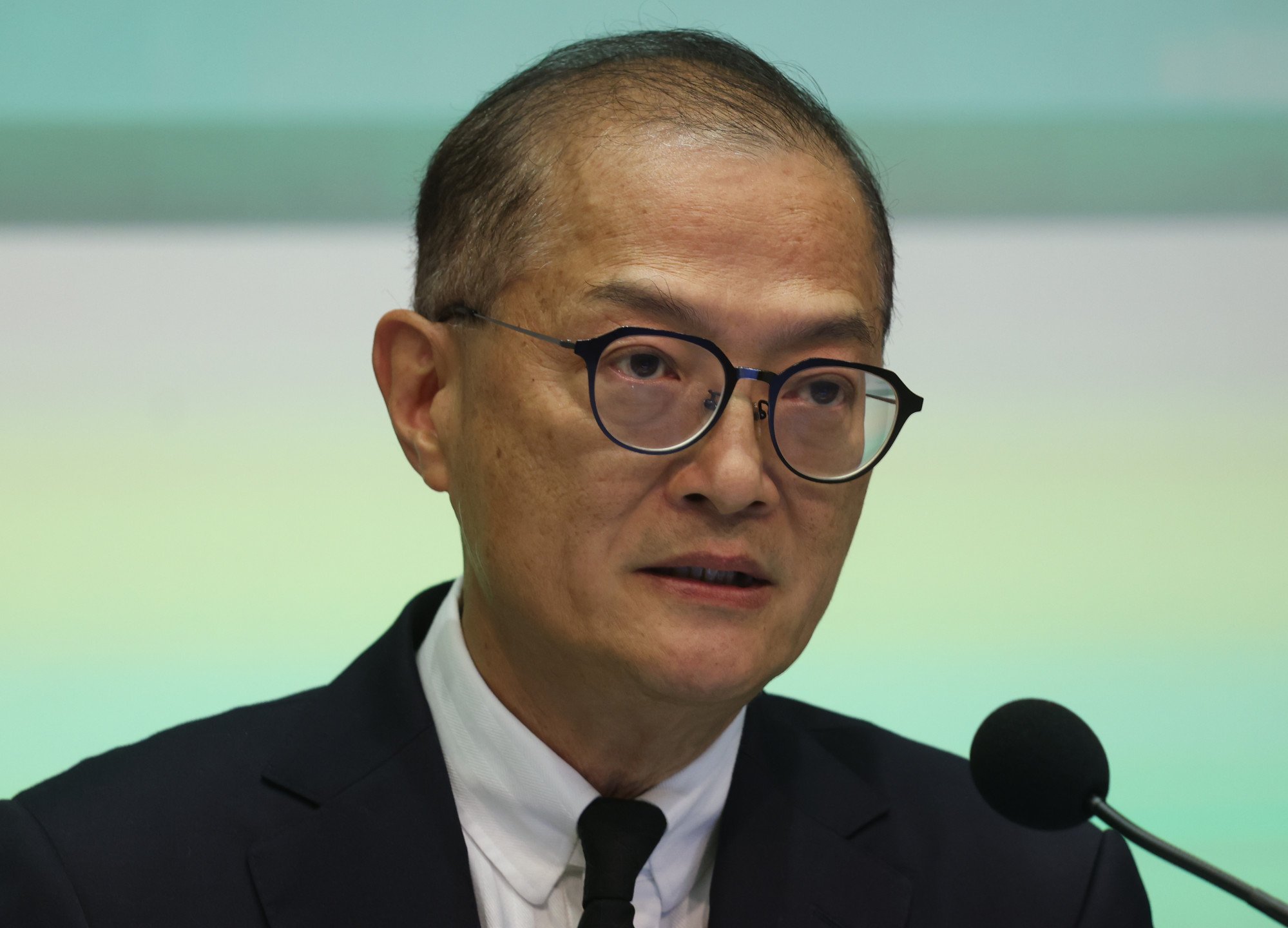
Secretary for Health Lo Chung-mau told lawmakers on Friday that most patients would still need a medical diagnosis before seeing a physiotherapist, as he briefed a Legislative Council meeting on plans to expand the roles of non-doctor healthcare staff.
“Direct access should not be mistaken as diagnosis-free. All arrangements should safeguard patients’ safety,” the minister said.
Under the proposal, physiotherapists can provide services to patients with proof of diagnosis from a registered medical practitioner dating back no more than 12 months, without the need for a referral from a doctor.
The need for a referral can also be waived if a patient suffers from health conditions specified in government-issued clinical protocols, such as chronic arthritis in the knee.
Alternatively, a patient can skip the referral stage if the physiotherapist offering treatment is listed in the coming Primary Care Register and they update the former’s registered family doctor using the Electronic Health Record Sharing System.
The Supplementary Medical Professions Council will also specify the types of emergencies and other factors that allow a patient to see a physiotherapist without getting a doctor’s referral.
Hong Kong TCM practitioners ‘can play bigger role’ in primary healthcare
Hong Kong TCM practitioners ‘can play bigger role’ in primary healthcare
Lo on Friday also said the direct access arrangement would apply to private sector practitioners and those working with NGOs, as physiotherapists under the public healthcare sector had their procedures to follow.
The government would also talk to other sector representatives to determine whether occupational therapists could be covered under a similar policy, he added.
The proposal will be an amendment to the Supplementary Medical Professions Ordinance, with authorities planning to hold a public consultation next year and introduce the bill to Legco as soon as possible.
During the meeting, lawmaker Chan Hoi-yan asked whether physiotherapists could accept a verbal diagnosis given during a free community-based clinic session.
“Sometimes there are free clinic sessions in the community, and [the doctors] might not give out a written proof, but a verbal one,” she said. “How can patients prove their [diagnosis]? Must it be in a paper format?”
AI-based app offers Hong Kong stroke patients guided physical rehabilitation at home
AI-based app offers Hong Kong stroke patients guided physical rehabilitation at home
But the minister raised concerns over whether such a diagnosis was in line with the code of conduct by which doctors abided.
“For such an informal diagnosis, I would be very concerned about its quality,” he said. “If a patient followed a verbal diagnosis and made the wrong medical decision, it could be very serious. Diagnosis made by doctors is not that simple.”
Medical sector lawmaker Dr David Lam Tzit-yuen asked whether certain symptoms or injuries covered under clinical protocols could meet the direct access criteria.
The minister warned that it could be dangerous to make a decision based on isolated symptoms, pointing to the various medical conditions associated with back pain, such as injury to a major blood vessel or pancreatic cancer.
“It’s not just treating the pain in the back,” Lo said. “There could be various reasons for back pain, and some of them could be very serious or acute.”