Hong Kong’s tourism sector entered 2025 with cautious optimism and exited the year with renewed confidence, albeit one tempered by structural shifts in traveller behaviour and regional competition.
Official figures from the Hong Kong Tourism Board (HKTB) show that the city welcomed approximately 45 million visitor arrivals in the first 11 months of 2025, exceeding the full-year total for 2024 and representing year-on-year growth of around 12 percent.
Mainland China remained the dominant source market, accounting for roughly 34 million arrivals over the course of the year, while overseas markets – particularly Japan, South Korea, Southeast Asia, Australia – recorded double-digit growth as flight capacity and connectivity continued to normalise. The city also saw a 15% rise in daily average inbound visitor trips during the festive season, with a whopping 1.7 million people flocking to the city during the 10-day Christmas and New Year’s holidays.
Regent Hong Kong’s managing director Michel Chertouh describes the year as one of measured but meaningful progress. “We saw encouraging momentum from our key markets in Mainland China, alongside renewed strength from short-haul destinations across Asia and a welcome increase in long-haul visitors, particularly from the US and Australia,” he notes.
Elsewhere in the city, operators faced a more volatile demand environment, particularly in the first half of the year. At Eaton HK, managing director Shane Pateman describes a slow start followed by a steady rebound. “After a difficult first two quarters, the second half of the year grew in strength month on month, eventually finishing the year about 5% above last year,” he says.
That said, growth was not evenly distributed across segments, with group and corporate travel outperforming expectations. “Groups’ business and corporate business, though much smaller in scale than the retail leisure business, were the best performers by far, with Southeast Asian markets as well as Japan and Korea the best performing.”
Mondrian Hong Kong, which opened in late 2023, has been building relationships in markets like Thailand. “We noticed a growing number of Thai visitors, so we researched how they spend their time in Hong Kong,” says general manager Dirk Dalichau. “One of their top activities was visiting Hong Kong temples, so we immediately created a temple guide for them to visit along with our monthly publication, including tips from our team that you won’t find in any guidebook, including Instagram Spots, underground art spaces, local eateries and cool places to visit.”
/HK_KaiTakSportsPark-261201/Kai-Tak-Sports-Park-is-Hong-Kong%e2%80%99s-largest-multi-p.jpg?tr=w-600%2Ch-340%2Cfo-auto "Kai Tak Sports Park is Hong Kong’s largest multi-purpose sports and entertainment complex")
Kai Tak Sports Park is Hong Kong’s largest multi-purpose sports and entertainment complex Photo Credit: Hong Kong Tourism Board
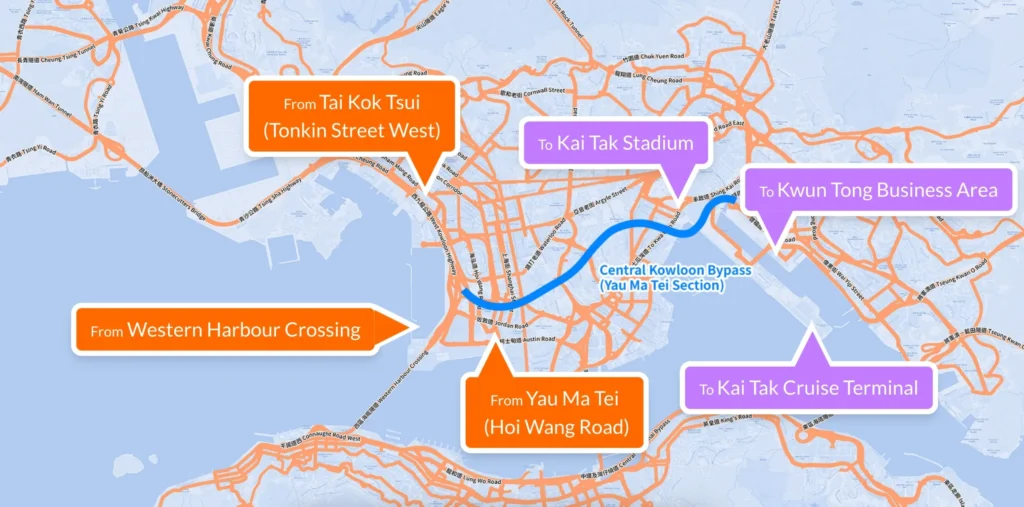
Large-scale events emerged as an increasingly important driver of demand. “Sporting events and concerts, particularly with the new Kai Tak Stadium, have added some great life to the groups and entertainment markets,” Pateman says, pointing to a trend that is expected to intensify as Hong Kong expands its calendar of international events.
At the airport end of the market, The Silveri Hong Kong – MGallery in Tung Chung experienced what its leadership describes as a shift from volume-led growth to qualitative gains. “2025 was a year of stabilisation and qualitative growth for The Silveri Hong Kong-MGallery,” says John Webb, regional vice president – Hong Kong & Macau of Accor.
“While 2024 was defined by the initial post-pandemic surge and high-volume ‘revenge travel’, 2025 saw a shift toward more intentional, experiential stays.” Long-haul arrivals increased by around 30% year on year, while MICE and bleisure travel rebounded strongly in tandem with the full return of AsiaWorld-Expo’s events calendar.
Despite rising visitor numbers, the broader tourism economy revealed persistent imbalances. Retail sales linked to tourism remained uneven throughout the year, reflecting changing spending habits and heightened competition from regional destinations such as Tokyo and Bangkok. This divergence underscored a central challenge for Hong Kong: converting growing arrivals into higher-value, longer-stay visitation.
“With increased regional competition from cities like Tokyo and Bangkok, Hong Kong hotels had to work harder to justify a premium,” says Webb, adding that primary challenges in 2025 included pricing pressure and the reintroduction of the Hotel Accommodation Tax.
Related: Which are APAC’s most popular cities in 2025?
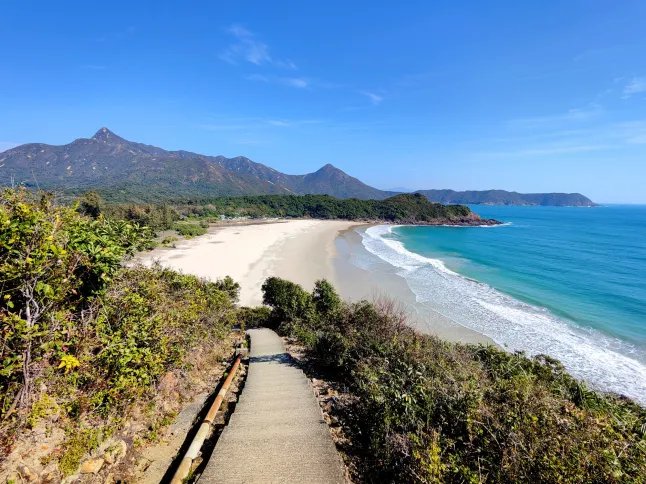
Tourism authorities continued efforts to broaden Hong Kong’s appeal beyond its traditional strengths in shopping and dining. Throughout 2025, the city promoted outdoor and cultural attractions, including country parks, hiking routes and outlying islands, as part of a wider push to diversify visitor experiences.
Looking ahead to 2026, sentiment across the industry is cautiously optimistic. Infrastructure upgrades, including the full operation of Kai Tak Sports Park and the continued expansion of Hong Kong International Airport’s three-runway system, are expected to support further growth. “These infrastructure milestones will cement Hong Kong’s status as a ‘Mega-Event Hub’ going forward towards 2030,” says Webb.