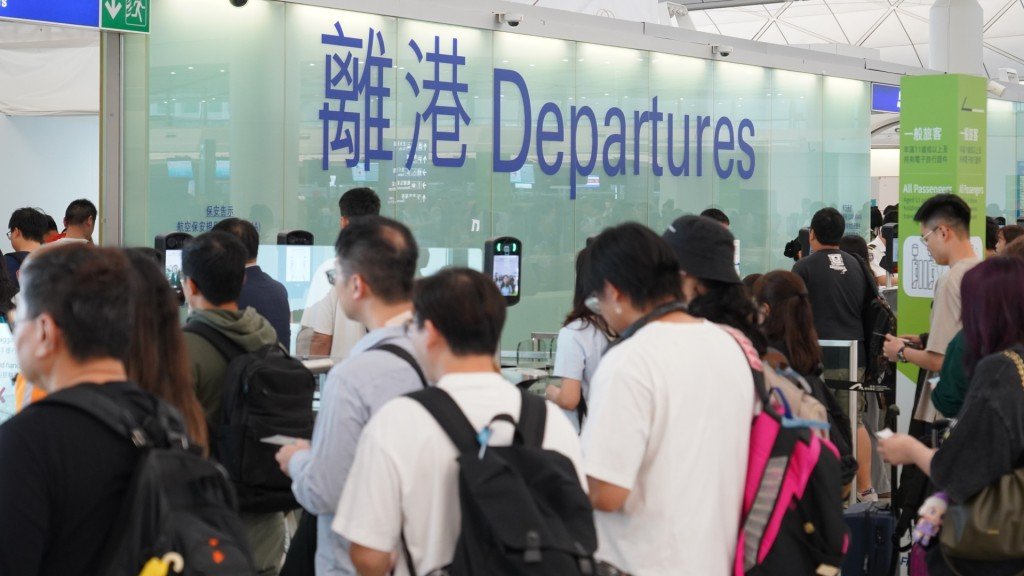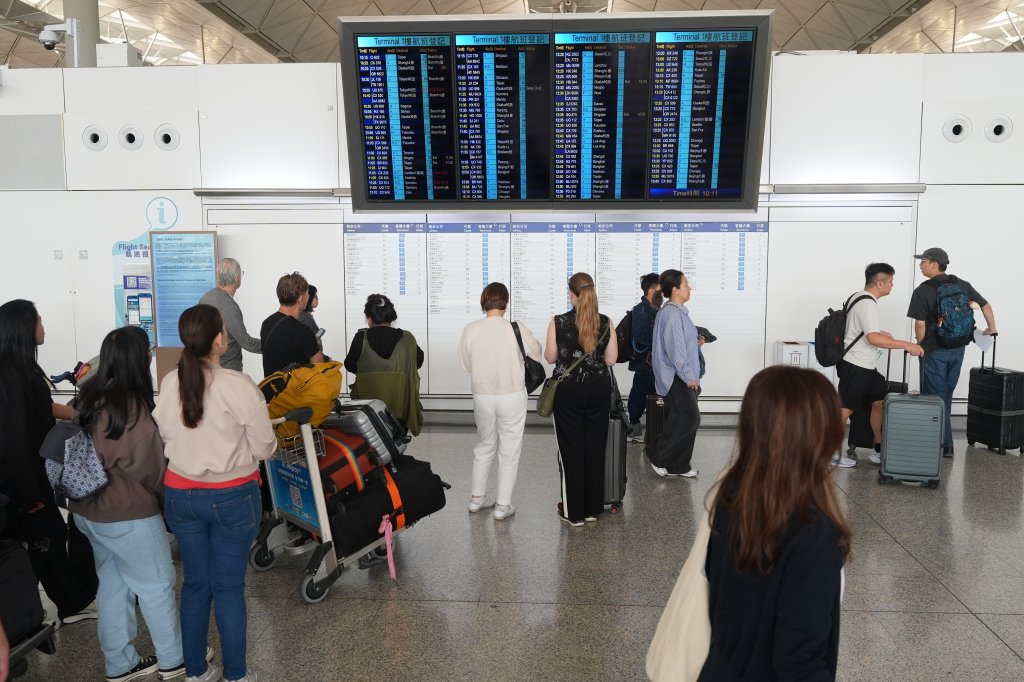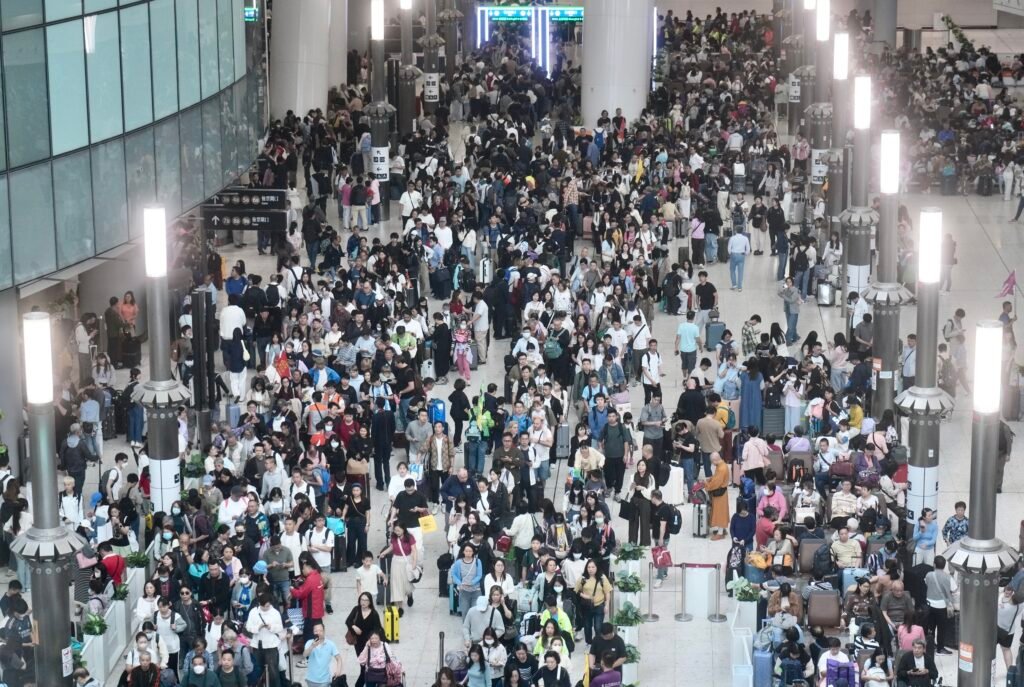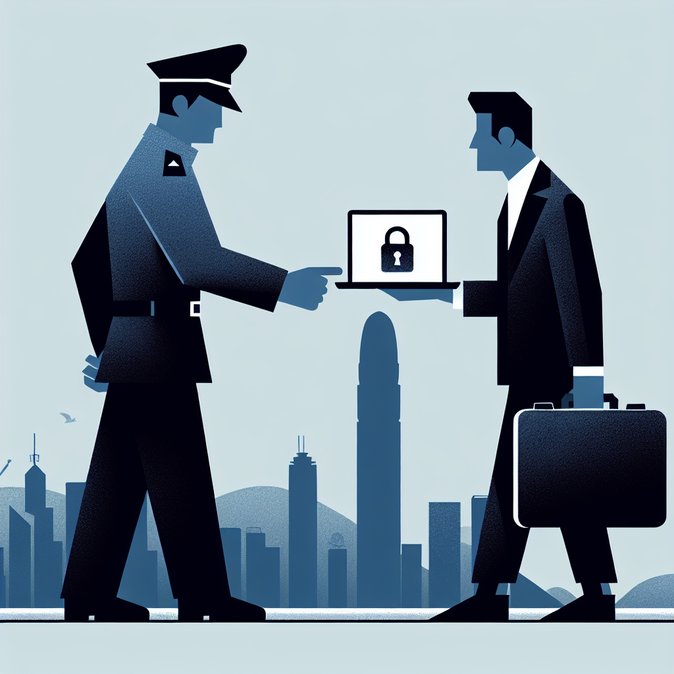
Hong Kong has quietly tightened its border-control regime by gazetting amendments to the Implementation Rules of the National Security Law that give police and other law-enforcement agencies the power to demand passwords or decryption assistance for any electronic device carried by a person entering or leaving the territory. The new rule, which took effect when it was published in the Government Gazette on 3 April, was highlighted to foreign visitors in a 5 April Travel & Tour World advisory after the US State Department updated its Hong Kong travel guidance. Under the amended rules, any individual – including tourists in transit at Hong Kong International Airport – who refuses to unlock a phone, laptop or tablet when asked can be prosecuted and face up to one year in prison and a HK$100,000 (US$12,800) fine. Providing false or misleading information attracts an even stiffer penalty of three years’ imprisonment and a HK$500,000 fine. Crucially, officers do not need a court warrant; a “reasonable suspicion” of endangering national security is sufficient to trigger the demand. Business-travel risk consultants say the change materially alters the compliance landscape for multinational companies that move staff or data through Hong Kong.

For travellers and organisations trying to stay ahead of these fast-moving requirements, VisaHQ offers up-to-date guidance and streamlined processing of Hong Kong travel documents, with real-time alerts that flag regulatory changes such as the new device-search powers; corporate mobility teams can find details at https://www.visahq.com/hong-kong/
Firms that rely on end-to-end encryption or transport commercially sensitive files must now decide whether to deploy ‘clean-phone’ protocols, tighten data-loss-prevention settings or reroute travellers through other Asian hubs when feasible. Travel managers are also updating pre-trip briefings to warn assignees that client-attorney or medical privilege will not shield information at the border. Lawyers point out that the power is broader than similar device-search provisions used in Australia, the United States or Singapore because it covers anyone “believed to know” a relevant password, potentially roping in interpreters, assistants or family members. Privacy advocates argue that the amendments erode professional confidentiality and could deter conferences, journalistic coverage and cross-border legal work. Government officials insist the measure is proportionate and will not affect “law-abiding visitors,” but the speed with which it was introduced – bypassing the Legislative Council – underscores Hong Kong’s determination to privilege national-security objectives over privacy concerns. Companies with regional headquarters in the city now have less than a month to audit mobility policies before Labour Day Golden Week brings the next wave of inbound traffic.