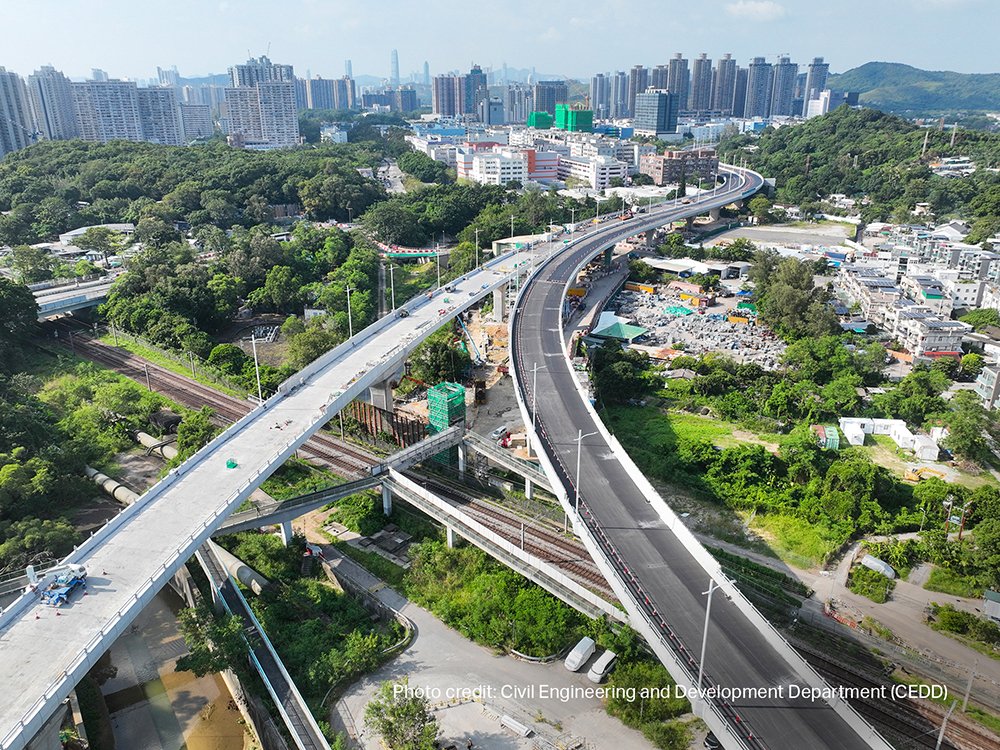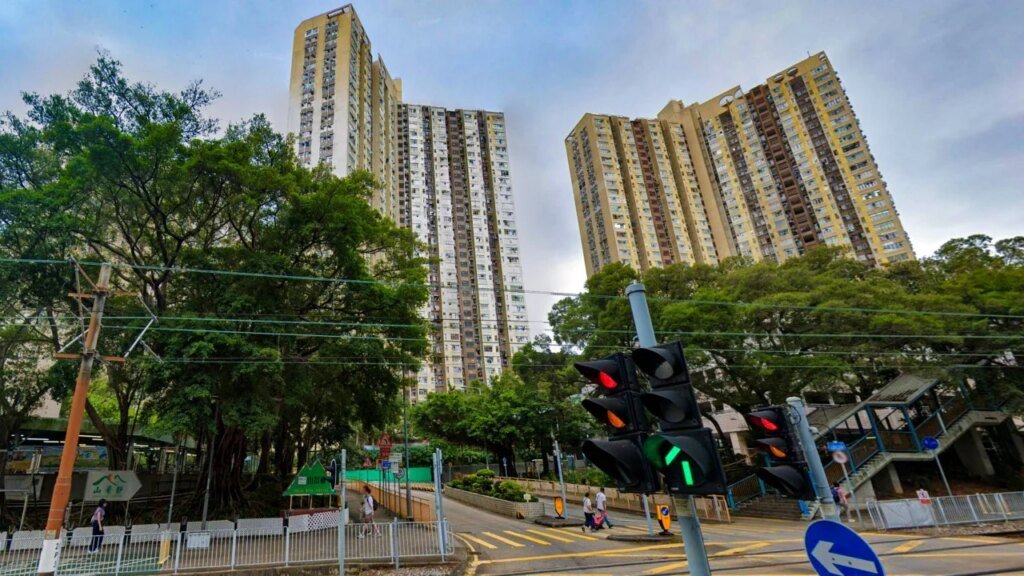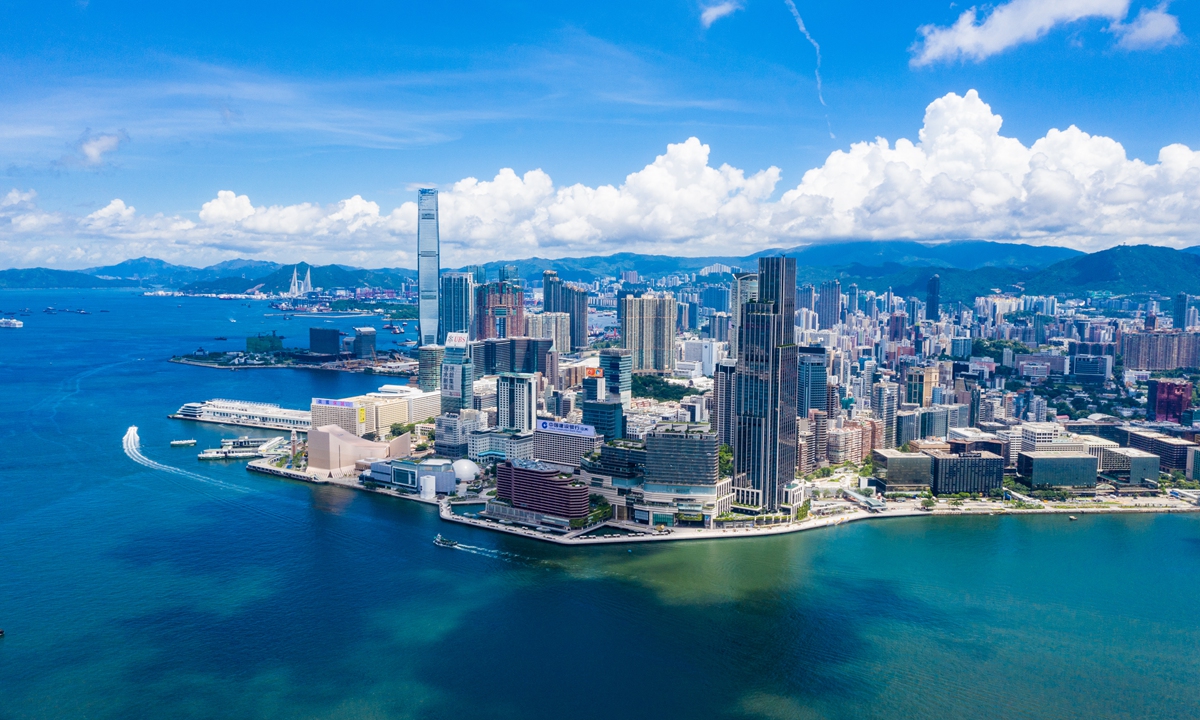
A view of Kowloon City, Hong Kong Photo: VCG
John Lee, chief executive of China’s Hong Kong Special Administrative Region (HKSAR), said on Tuesday that Hong Kong is stepping up efforts to develop strategic industries of the future such as embodied intelligence, at an embodied artificial intelligence (AI) industry summit in the city, according to a release on the website of the HKSAR government.
Lee made the remarks during the first Hong Kong Embodied AI Industry Summit and the 2026 AgiBot Partner Conference (Hong Kong). He said that a new round of technological revolution and industrial transformation is accelerating, with AI moving from the digital world toward deeper integration with the real economy. Embodied intelligence, as a key form of interaction between AI and the physical world, has become an important engine driving industrial upgrading and fostering new quality productive forces.
Lee said that realizing the vision requires a solid research and development (R&D) foundation, noting that Hong Kong is home to a number of world-renowned experts and scholars in the fields of AI and robotics.
He said that the HKSAR government has been supporting local universities, research centers and enterprises through the Innovation and Technology Fund to carry out research projects, including those related to embodied intelligence.
“Hong Kong’s highly internationalized, culturally diverse and compact urban environment provides ideal testing and application scenarios for embodied intelligence technologies,” Lee said, noting that sectors including service robots, healthcare applications and intelligent manufacturing offer broad and challenging application opportunities that can help related technologies connect with international markets.
To further promote AI-enabled industrial development, the HKSAR government will establish an AI Plus and Industry Development Strategy Committee, bringing together experts, academics, enterprises and innovation park companies, with an initial focus on life and health technology as well as embodied intelligence, Lee said.
Lee also said that the Hong Kong Institute of Artificial Intelligence, wholly owned by the HKSAR government, will begin operations in the second half of the year.
The institute aims to promote upstream AI R&D, downstream commercialization and application expansion, while building a platform to match AI technology solutions with industry needs, accelerating the commercialization and industrial application of technologies including embodied intelligence, Lee said.
Beyond infrastructure, Hong Kong will continue to leverage its unique advantages under One Country, Two Systems, being backed by the motherland while connected to the world, to help enterprises seize opportunities and expand globally, Lee said.
He said that Hong Kong welcomes more promising and representative companies to establish a presence in the city and make full use of its local talent pool, capital, industry-academia research collaboration and international connectivity to accelerate technological iteration and explore global opportunities.
Chen Jing, vice president of the Technology and Strategy Research Institute, told the Global Times on Tuesday that Hong Kong’s push into embodied intelligence reflects a broader strategic shift rather than simply following a tech trend.
“Hong Kong is seeking to move beyond its traditional role as a financial and trading hub toward becoming a platform for industrial empowerment and value creation,” he said.
According to Chen, Hong Kong’s biggest advantage lies in serving as an international gateway for Chinese AI companies. “Hong Kong does not need to compete directly with Shenzhen or Beijing in foundational AI development,” he said. “Instead, it can help Chinese mainland firms commercialize technologies and expand into global markets through its international connectivity.
Chen also said that Hong Kong could support the mainland’s embodied intelligence industry through capital, talent and application scenarios. “Embodied AI requires long-term investment and international coordination, areas where Hong Kong has unique strengths,” he said, adding that the city’s dense and international urban environment offers ideal testing grounds for robotics and AI applications.