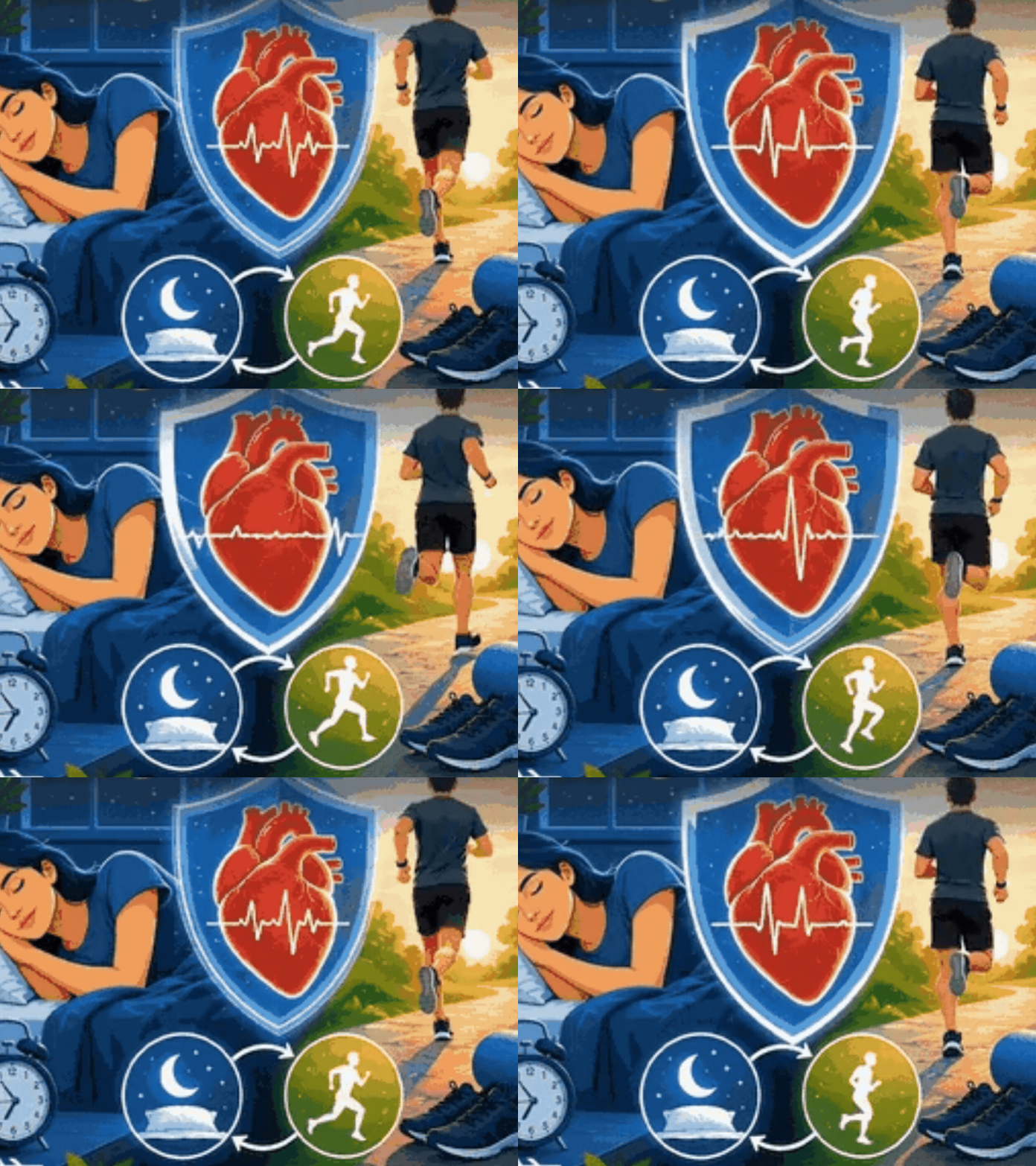
Scientists claim that 62 million women in the US are living with some type of cardiovascular health which is prokected to spike by 2050.
Heart disease is a leading cause of death for women in the United States, which can affect women of all ages. A report published by the Centres for Disease Control and Prevention (CDC) states that about 60 million women in the US are living with some form of heart disease. What is concerning about these findings is that a new study released by the American Heart Association (AHA) notes that the cardiovascular health of females will decline significantly over the next 25 years.
Heart Disease And Stroke In Women
The study that was published on February 25 in Circulation reports that nearly 60 per cent of women in the United States will have a certain type of cardiovascular disease by 2050. According to 2023 statistics released by the CDC, there were about 304,970 women who died due to heart health issues, i.e., 1 in every 5 women. Interestingly, only 56 per cent of US women are aware that certain heart conditions are the number one killer amongst all types of human illnesses.
Karen E. Joynt Maddox, MD, MPH, FAHA, professor of medicine and public health and the codirector of the Center for Advancing Health Services, Policy & Economics Research at the Washington University School of Medicine and volunteer chair of the statement writing group, said, “One in every three women will die from cardiovascular disease maybe it’s your grandmother, or your mother or your daughter.”
She further added, “Additionally, more than 62 million women in the U.S. are living with some type of cardiovascular disease and that comes with a price tag of at least $200 billion, annually. Our estimates indicate that if we stay on the current path, these numbers will grow substantially over the next 25 to 30 years.”
Other Major Health Factors
As per the latest findings, other cardiovascular complications that could significantly increase by 2050 include heart failure, atrial fibrillation and stroke. It also notes that major health factors that contribute to cardiovascular disease, like high blood pressure, obesity and diabetes, will be at surge.
Stacey E. Rosen, M.D., FAHA, volunteer president of the American Heart Association (AHA) and executive director of the Katz Institute for Women’s Health and senior vice president of women’s health at Northwell Health in New York City, explained. “While many people may think these conditions like high blood pressure are only occurring in older women, we know this is not the case. We know the factors that contribute to heart disease and stroke begin early in life, even among young women and girls. The impact is even greater among those experiencing adverse social determinants of health such as poverty, low literacy, rural residence and other psychosocial stressors. Identifying the types of trends outlined in this report is critical to making meaningful changes that can reverse this course.”
Expert Shares Lifestyle Tips To Reduce Cardiovascular Risk
Here are some essential lifestyle tips shared by Dr. Deebanshu Gupta, Consultant Interventional Cardiologist at Sarvodya Hospital, Jalandhar, which can bring positive results:

- Keep walking: You should try to get at least 30 minutes of brisk walking, biking, or light exercise. Working out regularly can help you lose weight, lower your blood pressure, and improve your circulation.
- Nutritious diet: If you want to eat a heart-healthy diet, you should eat more fruits, vegetables, whole grains, nuts, and lean proteins. Cut back on fried foods, processed foods, sugar, and salt.
- Manage stress: Take deep breaths, short breaks from screens and get enough sleep to deal with stress. Stress that lasts for a long time makes you more likely to get heart disease.
- Avoid smoking and alcohol: Stop smoking and drinking too much alcohol because both can hurt blood vessels and raise blood pressure.
- Regular checkup: Finally, put sleep and regular health checkups at the top of your list. You can find risks early and keep your heart healthy for a long time by checking your cholesterol, blood pressure, and blood sugar levels on a regular basis.
The content on TheHealthSite.com is only for informational purposes. It is not at all professional medical advice. Always consult your doctor or a healthcare specialist for any questions regarding your health or a medical condition.

Don’t Miss Out on the Latest Updates.
Subscribe to Our Newsletter Today!