Healthy ageing is increasingly linked to lifestyle choices rather than genetics alone. Experts highlight quality sleep, regular physical activity, balanced nutrition and stress management as key habits that may improve overall well-being and support longer, healthier lives.
Updated On – 13 May 2026, 03:56 PM

Representational Image
Hyderabad: Living longer is no longer just about genetics. Increasingly, everyday lifestyle habits are being linked to healthier ageing and better overall well-being. While there is no guaranteed formula for slowing ageing, small and consistent changes in daily routines may help improve both physical and mental health over time.
Prioritising Quality Sleep
Sleep plays a major role in how the body repairs and recovers. Poor sleep over long periods can affect energy levels, skin health, memory, and overall well-being. Maintaining a consistent sleep schedule and reducing screen time before bed may help improve sleep quality and support healthier ageing.
Staying Physically Active
Regular movement is one of the most important habits linked to long-term health. Walking, stretching, yoga, strength training, or any form of physical activity can help maintain mobility, improve heart health, and reduce stress. Staying active also helps support muscle strength and energy levels as the body ages.
Eating Balanced Meals
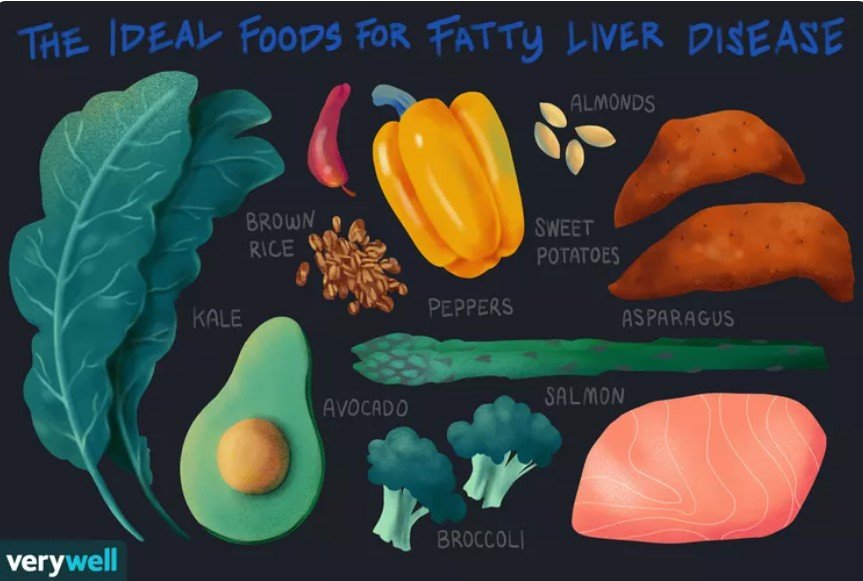
Food choices can significantly affect overall health. Diets that include fruits, vegetables, protein, healthy fats, and whole foods may help support better immunity and energy levels. Reducing heavily processed foods and excess sugar can also contribute to healthier ageing over time.
Managing Stress And Social Connection
Long-term stress can impact both physical and mental health. Spending time with family and friends, taking breaks, practising mindfulness, and making time for hobbies may help improve emotional well-being. Maintaining social connections is also increasingly associated with healthier and longer lives.