Google has just announced its latest mid-range smartphone, the Pixel 10a. While I haven’t had a chance to go hands-on with it as yet, I suspect that it’s going to make a strong case for buying the year-old Pixel 9a.
Back in August I wrote a piece about the then-new Pixel 10, suggesting that it made the older and ostensibly inferior Pixel 9a seem like an even better buy. Now the Pixel 10a is almost upon us, and its release looks set to further burnish the 9a’s reputation.
I’ll reserve final judgement until I’ve spent some quality time with Google’s new mid-ranger, but at this point I can’t for the life of me see why you’d choose to buy one over the Pixel 9a.
Déjà vu all over again
From the early leaks to the final spec list that’s currently sitting on my desktop, the Pixel 10a launch has been dogged by an overwhelming sense of familiarity.
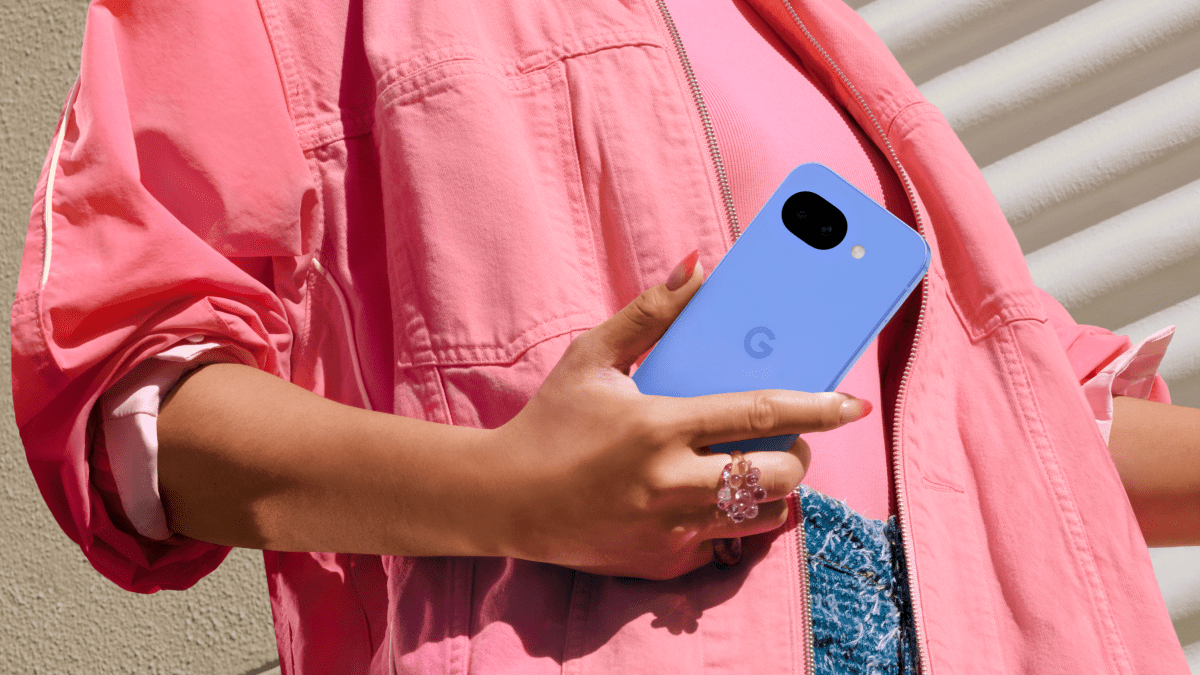
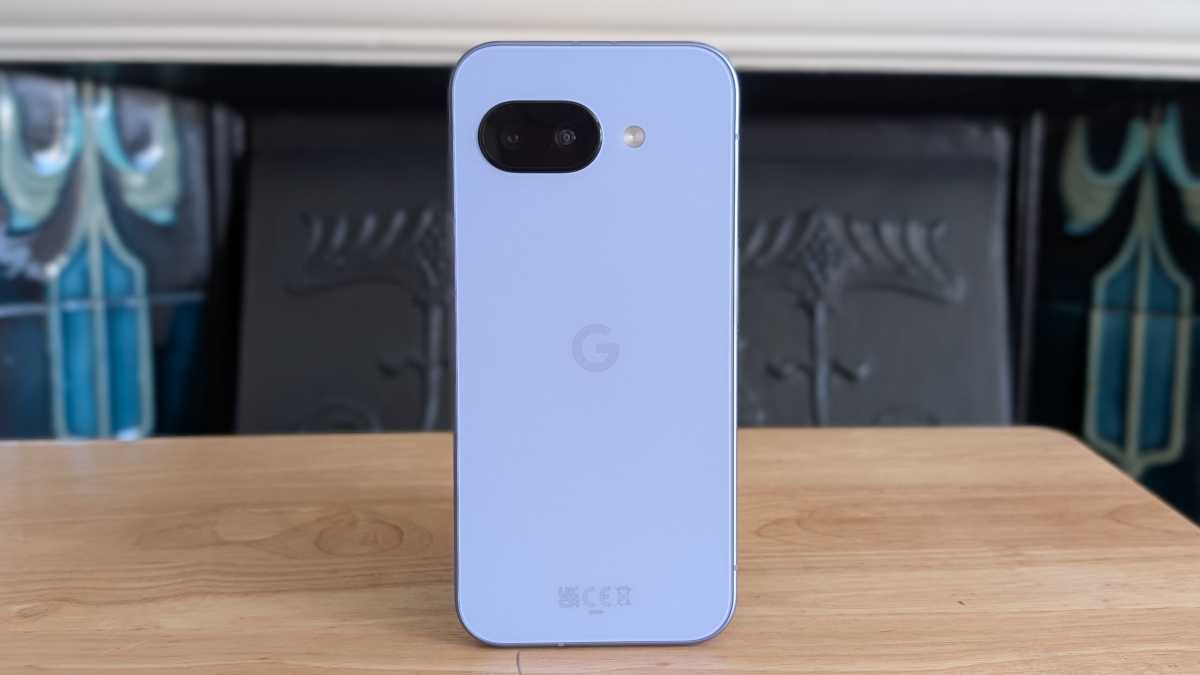
Here is a phone that looks almost exactly like the Pixel 9a before it. Sure, it’s got a flatter camera module (though the Pixel 9a’s was pretty minimal), a narrower bezel, and some slightly different colour options. It also has a fractionally smaller footprint, and it weighs 3g less.
But this is, to all intents and purposes, the Pixel 9a design reused. That’s fine. Smartphone makers do this all the time, and it’s unreasonable to expect millions of dollars of design R&D to be frittered away after a year.
The thing is, that familiarity continues when you start to examine the Pixel 10a spec sheet in greater detail. The camera set-up is identical, for one thing, and the battery size is also the same.
Most damningly, even the System on Chip – the brain of the device that runs everything from games to AI tools – is the exact same component as before.
Yes, the very same Tensor G4 that powered the Pixel 9a also powers the Pixel 10a. Previous Pixel A-series devices have always matched their non-A siblings on basic performance. This is the first time such a pattern has been disrupted.
Crime of omission
One specification that’s shared with the Pixel 9a deserves highlighting here: the lack of Qi2 wireless charging.
When the Pixel 10 series launched towards the end of 2025, some people were mildly miffed at the relative lack of progress. The addition of magnetic charging – aka Qi2 – did a lot of heavy lifting here, and indeed came to be seen as the signature feature of the range.
Now the latest member of that Pixel 10 family is here, and it doesn’t have said signature feature. With no headline improvement, it might make you question the point of the Pixel 10a’s existence.
So what’s actually new?
In the interest of fairness, let’s run through the list of what’s actually new with the Pixel 10a. Don’t worry, it won’t take long.
We’ve already mentioned the flatter camera module, the slimmer bezel, and the slightly smaller overall dimensions.
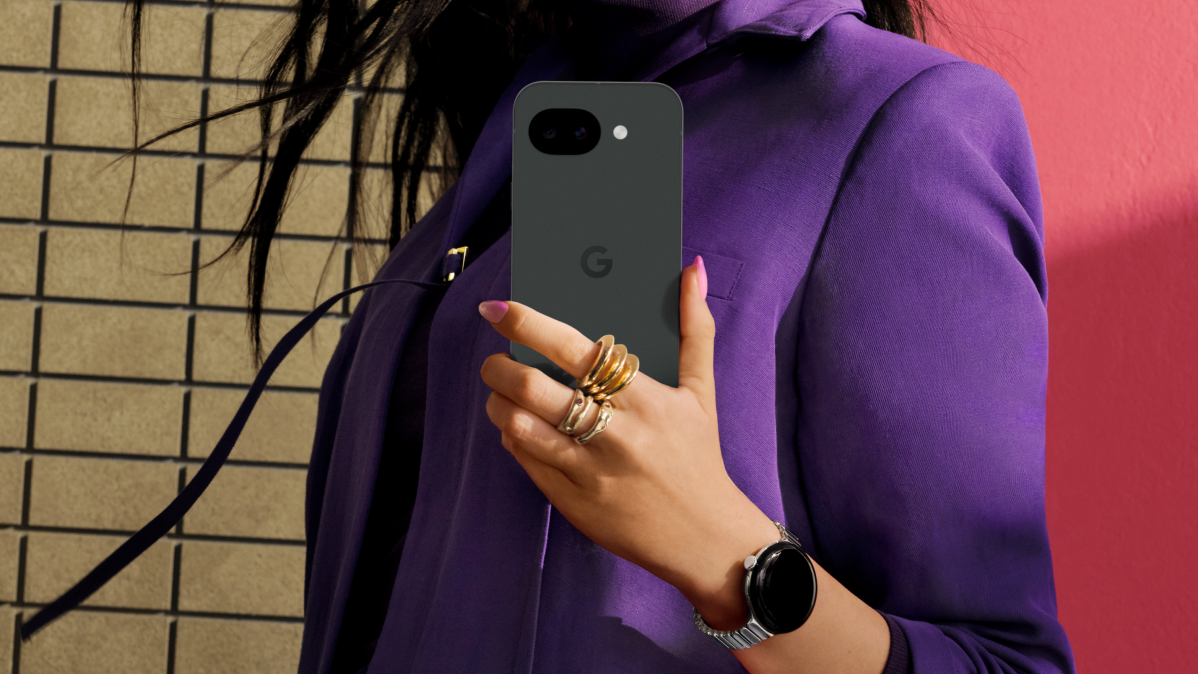
Besides these, there’s also a tougher Gorilla Glass 7i display (up from Gorilla Glass 3), slightly faster 30W wired charging (up from 23W), and a screen that can get 11% brighter in peak HDR scenarios.
It’s also made with the highest volume of recycled material of any A-series Pixel yet. That’s good to know, although it won’t affect how you use the phone in any way.
Google mentions a curious quirk by which the Pixel 10a gets 20 hours more battery life than the Pixel 9a in Extreme Battery Saver mode. Given that the processor and battery are identical, this would seem purely to be a software improvement, which is irksome in a whole new way – or it will be, should Google choose not to add it to the older phone through a firmware update.
The unconvincing elephant in the room
The Google Pixel 10a is essentially identical to the Pixel 9a, and it retails at exactly the same launch price. Anyone who’s been keeping an eye on the smartphone business in recent months will have an inkling as to the market forces at play here.
Thanks to the continued AI boom, RAM component costs have gone through the roof. Multiple reports from across the industry have revealed that smartphone prices are going to have to increase to cover these costs.
Google clearly faced a hard choice here – bump up the price of its new entry-level smartphone, or make some hardware compromises. By essentially opting to do nothing, however, I fear it’s fallen between two stools.
Anyron Copeman / Foundry
Tech Advisor will naturally be supplying its final verdict on the Pixel 10a soon, but a simple piece of buying advice is staring us all uncomfortably in the face. Professional journalists that we are, we’re all trying desperately not to make eye contact with it.
With no obvious reason to opt for the Pixel 10a over the Pixel 9a, it’s tempting to conclude that you’d be better served seeking out existing stock of the latter phone from a reputable third party retailer. At the time of writing, Amazon and John Lewis are both selling the Pixel 9a for around £346 brand new – a healthy 30% discount on the Pixel 10a.
The Google Pixel 9a was one of the best mid-range smartphone buys of 2025. The way things are going, it might well retain its position for 2026.