Published on
March 29, 2026

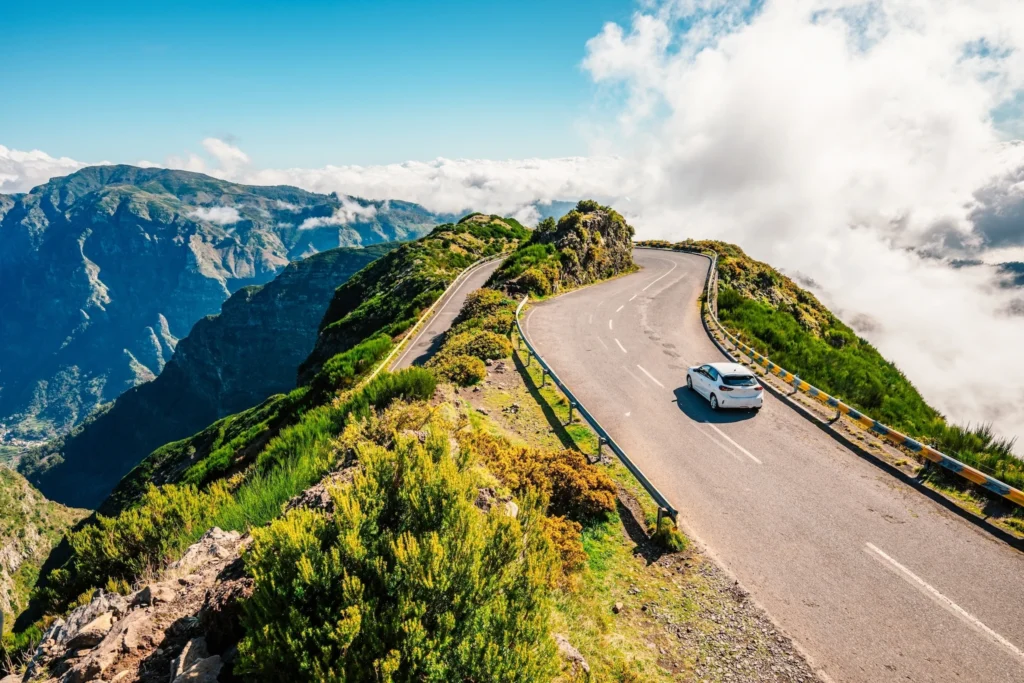
Image generated with Ai
Morocco’s tourism sector has been soaring to new heights, fueled by the increasing arrivals from key global markets. In January 2026 alone, the Kingdom welcomed over one million international visitors, with countries like France, the United Kingdom, Italy, Germany, Saudi Arabia, Brazil, Canada, and more playing significant roles in this surge. This record-breaking performance can be attributed to a combination of Morocco’s rich cultural heritage, diverse tourism offerings, and strategic investments in infrastructure. As these markets continue to contribute to the country’s tourism boom, Morocco’s global appeal is growing, positioning it as a top-tier destination for travelers from all over the world.
Morocco’s tourism industry is enjoying a remarkable rise, setting new records in the early months of 2026. The country’s long-standing appeal as a cultural hub, coupled with strategic investments in infrastructure and an expanding international reach, has propelled Morocco into the global tourism spotlight. In the first month of 2026 alone, over one million international visitors arrived in the Kingdom, highlighting an extraordinary 3% increase compared to the same period in 2025.
The country’s tourism surge is not just about raw numbers; it is a sign of the growing influence of Morocco as a premier global destination. Key markets like France, the United Kingdom, Italy, Germany, Saudi Arabia, Brazil, and Canada have significantly contributed to this growth, with each nation playing a crucial role in driving tourism to Morocco. Let’s take a closer look at how these countries have boosted Morocco’s tourism sector and how the country’s tourism is gaining momentum on the global stage.
France: Leading the Charge
As one of Morocco’s most important and historic tourism markets, France remains the largest contributor to the country’s inbound visitor numbers. In January 2026, over 370,000 French tourists visited Morocco, marking a 14% increase from the previous year. This surge is part of a broader trend, as French nationals have consistently ranked among the top international visitors to Morocco.
Advertisement
Advertisement
France’s continued dominance can be attributed to the deep cultural and historical ties between the two nations. With Morocco being a former French protectorate, there is a shared heritage that makes the country a top choice for French travelers. Moreover, the convenience of regular direct flights, proximity, and favorable visa policies make Morocco an easily accessible destination for French tourists seeking everything from exotic landscapes and Mediterranean beaches to vibrant city life and historic sites.
The French market has been particularly important in sustaining the flow of visitors during the offseason, helping to keep Morocco’s tourism sector stable year-round.
Advertisement
Advertisement
United Kingdom: A Consistent Contributor
The United Kingdom has also remained a steady feeder market for Morocco, despite challenges like Brexit and shifting economic dynamics. With a history of tourism ties that stretches back decades, British travelers have consistently flocked to Morocco’s beaches, mountains, and vibrant cities. Although January 2026 saw a slight decrease in arrivals from the UK (down 6%), British tourism remains crucial to the Kingdom’s overall performance.
The appeal of Morocco for British visitors lies in the country’s diverse offering — from the bustling markets of Marrakech to the tranquil dunes of the Sahara Desert, and from the beach resorts of Agadir to the cultural allure of Fes. Despite the occasional downturns, the UK market continues to provide a steady stream of visitors, and Morocco’s growing connectivity with London, Manchester, and Birmingham further strengthens the link between the two nations.
Italy: Rising Popularity and Growth
In January 2026, Italy recorded a 6% increase in visitor arrivals to Morocco, which highlights a positive growth trajectory. With direct flights connecting Italy’s major cities like Rome, Milan, and Venice to Moroccan hubs such as Casablanca and Marrakech, Italian visitors have increasingly chosen Morocco as an affordable yet exotic getaway.
Italy’s growing tourism to Morocco is also linked to the expanding interest in Moorish architecture and the rich cultural heritage of the Kingdom. The distinct blend of Arab, Berber, and European influences found in Marrakech, Fes, and Rabat resonates with Italian travelers seeking a mix of history, art, and unique architecture.
Moreover, adventure tourism in Morocco, such as trekking in the Atlas Mountains or exploring the sand dunes of the Sahara, has become more attractive to Italian tourists, particularly those in search of authentic, nature-driven experiences.
Germany: A Key European Market
Although Germany experienced a slight 4% decrease in visitor numbers in January 2026, it remains a vital market for Morocco. The German tourist market has always been drawn to Morocco’s mix of culture, nature, and luxury resorts. From luxury hotel experiences in Marrakech to the calming views of the Rif Mountains, German travelers continue to appreciate Morocco’s diverse offerings.
In recent years, Germany’s increasing interest in Morocco has been bolstered by eco-tourism and sustainable travel, two areas in which Morocco has invested heavily. For instance, Germany is one of the leading countries sending eco-conscious travelers to the Kingdom, eager to explore destinations like the Agafay Desert and Ouarzazate — locations known for their focus on sustainability and environmentally friendly tourism practices.
Saudi Arabia: The Middle Eastern Connection
The Saudi Arabian market has been a growing force in Morocco’s tourism sector. With an increase of 15% in arrivals from Saudi Arabia in 2026, Moroccan tourism has benefitted from the growing wealth and travel mobility of Gulf citizens. Morocco is viewed as a premium destination for luxury tourism by many Saudis, with its high-end resorts, traditional Hammams, and vibrant cultural experiences providing an escape from the heat of the Arabian Peninsula.
Furthermore, Morocco’s appeal to Saudi Arabian tourists is amplified by the Kingdom’s Islamic heritage, attracting religious travelers to historic sites like Meknes and Fez. It is no surprise that Morocco has established itself as one of the most favored destinations in North Africa for Saudi families and individuals seeking a luxurious, yet culturally rich experience.
Brazil: A Growing Long-Haul Market
Brazil is another emerging source of tourists for Morocco, with an impressive 21% increase in visitor arrivals in 2026. As South America’s largest economy, Brazil has demonstrated growing interest in Morocco’s unique combination of history, culture, and adventure tourism.
For Brazilian tourists, Morocco offers a welcome contrast to the tropical climate of Brazil. Cities like Marrakech and Casablanca are attracting increasingly affluent Brazilian travelers, eager to explore Moroccan markets, museums, and architectural gems. Additionally, Brazil’s direct flight connections to Moroccan cities via international hubs like Madrid and Paris have made the country more accessible than ever.
Canada: Tapping Into a Diverse Market
Canada has been a consistent contributor to Morocco’s rising tourism figures, with a 10% growth in visitors from Canada in 2026. Canadian travelers are drawn to Morocco’s cultural richness, its historical cities, and the diverse landscapes that make the country ideal for both leisure tourism and adventure sports. Marrakech, Fez, and Rabat remain top destinations for Canadians seeking culture, history, and a connection to Moroccan traditions.
As Canada’s relationship with Morocco strengthens, the Kingdom is increasingly seen as a prime destination for Canadians looking to combine beach holidays with cultural exploration. The robust Canadian market shows the potential for Morocco to tap into North America’s more niche tourism markets, particularly those from French-speaking Canadian provinces such as Quebec, where Morocco’s Francophone heritage resonates strongly.
Why Morocco’s Tourism is Gaining Popularity
Several factors contribute to Morocco’s tourism surge and increasing global appeal. The Kingdom has invested heavily in its tourism infrastructure, including the expansion of airports, increased flight connectivity, and the creation of luxury resorts in key cities. These investments have made it easier for tourists from all over the world to access Morocco’s cities and attractions.
Furthermore, Morocco’s rich blend of cultural experiences — Moorish architecture, ancient medinas, and traditional souks — has long captivated travelers, but in recent years, the country’s efforts to promote eco-tourism and adventure tourism have enhanced its appeal even further. Whether it’s hiking in the Atlas Mountains, taking a camel trek through the Sahara, or enjoying the coastlines in Agadir and Essaouira, Morocco’s diverse landscapes make it a destination for a wide array of travelers.
Moreover, international events such as the Africa Cup of Nations 2025 hosted in Morocco in late 2025 further boosted the country’s visibility. The tournament drove demand for accommodations across the nation, helping Morocco’s tourism sector reach new heights.
Looking Ahead: The Path to 26 Million Tourists by 2030
With 19.8 million visitors in 2025 and a goal of reaching 26 million annual tourists by 2030, Morocco’s tourism sector is on a clear upward trajectory. The country is capitalizing on its expanding international appeal by diversifying its tourism offerings and targeting new markets across the globe. Countries like France, Saudi Arabia, Brazil, and Canada have played vital roles in making Morocco a top-tier global destination.
In January 2026, Morocco’s tourism reached a new milestone, with over one million visitors arriving from countries like France, the United Kingdom, Italy, Germany, and more, driven by the Kingdom’s rich cultural heritage, diverse landscapes, and expanding global connectivity. This growth reflects Morocco’s rising popularity as a top international travel destination.
As Morocco continues to build its reputation, it is poised to become a major player in the global tourism market, supported by both its rich heritage and modern infrastructure. With strategic growth, smart investments, and a continued focus on sustainable tourism, Morocco is well on its way to achieving its ambitious tourism goals.
Advertisement
Advertisement