Published on
February 13, 2026

France, Germany, Ireland, the United Kingdom, and other European nations have issued updated travel advisories for the U.S. ahead of the 2026 FIFA World Cup due to rising security concerns, political tensions, and visa challenges. These advisories, which highlight issues such as overcrowded airports, skyrocketing airfare, and delayed flights, are reshaping U.S. tourism by prompting travelers to reconsider or delay their trips. With new visa regulations also being introduced to manage the expected influx of international visitors, the growing uncertainty surrounding the event is significantly impacting how tourists approach travel to the U.S. during this global spectacle.
As the 2026 FIFA World Cup approaches, global travelers are gearing up for what promises to be one of the most anticipated sports events in history. Hosted across three North American countries—the United States, Canada, and Mexico—this tournament will see an unprecedented level of international visitors, marking a significant milestone for the tourism industry. However, recent developments have thrown a shadow over the event. Several European countries have issued updated travel advisories for the United States, urging their citizens to exercise caution and consider heightened security, longer wait times, and potentially disruptive logistical issues.
These advisories, issued by countries such as France, Germany, Ireland, and the United Kingdom, have already begun reshaping how international travelers view the U.S. for the summer of 2026. While they do not discourage travel outright, these warnings are impacting tourism by pushing travelers to reconsider their plans, change itineraries, or postpone trips until after the World Cup. The rising uncertainty, political tensions, skyrocketing airfare prices, and security concerns are triggering ripples through the global tourism ecosystem.
The Growing Trend of Travel Advisories Amid Uncertainty
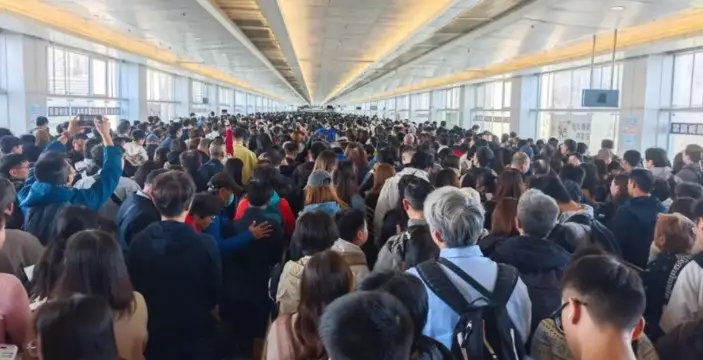
The FIFA World Cup 2026 will be a massive logistical challenge for the countries hosting the event. With 48 teams competing in over 16 cities across the U.S., Canada, and Mexico, organizers are facing challenges of monumental proportions. From heightened security screenings to crowded airports and increased accommodation costs, the sheer scale of the event is bound to cause significant disruptions. Governments worldwide are anticipating potential delays, and in response, countries have begun issuing travel advisories to prepare their citizens for the chaos.
As the 2026 FIFA World Cup draws closer, European travelers are facing a harsh reality. France, Germany, Ireland, the United Kingdom, and other major European nations have urged their citizens to reconsider travel to the U.S., citing rising security concerns, overcrowded airports, and logistical chaos surrounding the event. With flight prices soaring and security checks intensifying, what was once an exciting journey is now fraught with uncertainty. This growing caution is not just confined to Europe; it’s set to disrupt U.S. tourism on a global scale, causing shifts in travel plans and leaving the entire industry scrambling to adapt.
Now, let’s take a closer look at how each country’s advisory has impacted their citizens and the broader U.S. tourism market.
Advertisement
Advertisement
Travel Advisories Issued by European Countries
1. France
Travel Advisory: France has updated its travel guidance, urging citizens to remain vigilant in crowded areas and make sure their travel documents are valid well in advance of departure. It also highlights the need to be aware of heightened security and potential delays.
- Impact on Tourism: French tourists are now being advised to plan ahead and monitor local news closely, meaning many may rethink their visit or adjust travel dates to avoid peak World Cup periods. This advisory could cause a shift in French tourism patterns to less crowded or quieter destinations, potentially lowering demand for certain U.S. cities during the World Cup.
2. Germany
Travel Advisory: The German government also issued an updated warning, emphasizing the importance of staying informed and cautious in crowded environments, particularly in cities hosting World Cup matches.
Advertisement
Advertisement
- Impact on Tourism: German nationals who had previously planned trips to the U.S. may now reconsider their visit to host cities, particularly those with high match day foot traffic. The World Cup could lead to higher security screenings and lengthy waiting times at U.S. airports, deterring spontaneous travel from Germany, especially in the months surrounding the tournament.
3. Ireland
Travel Advisory: Ireland’s advisory includes similar language, urging travelers to remain vigilant and make sure their documents are in order before departure. It stresses the importance of following local advisories and government instructions during major events like the World Cup.
- Impact on Tourism: Irish travelers are encouraged to exercise caution when traveling to U.S. cities hosting matches, particularly in terms of monitoring security conditions. Tourism flows from Ireland may decrease during the World Cup, as many may opt to avoid potential travel delays or increased costs associated with peak-season travel to the U.S.
4. United Kingdom
Travel Advisory: The UK has issued a detailed advisory, warning about potential delays, crowded airports, and long wait times at U.S. entry points. The UK government also encourages travelers to follow all official guidelines and enter the U.S. well ahead of their planned travel dates.
- Impact on Tourism: British travelers, who make up a significant portion of international tourism to the U.S., may be particularly sensitive to concerns about overcrowded airports and high airfare costs. This advisory could lead to British tourism being skewed toward quieter periods outside of the World Cup, potentially reducing foot traffic in U.S. cities during the tournament.
The Ripple Effect on U.S. Tourism
The European travel advisories are not only causing travelers to reconsider their trips but also reshaping the demand for flights, accommodations, and local tourism in the U.S. With millions of international visitors expected to flood into the U.S. during the tournament, the tourism sector is already experiencing shifts in booking patterns.
1. Impact on Flight Bookings
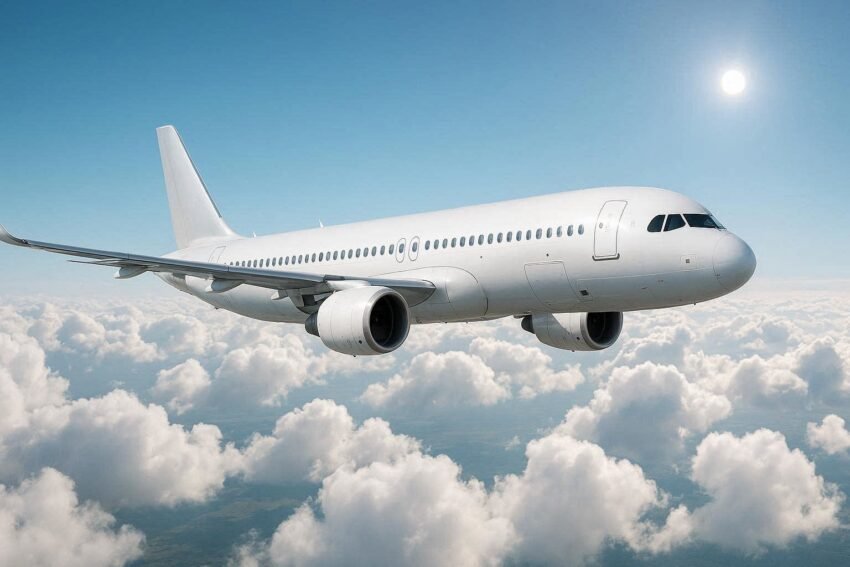
One of the biggest immediate impacts of these advisories is on flight bookings. With advisory warnings heightening travelers’ concerns about security, airlines are already noticing a shift in the travel booking window. Many Europeans are opting to advance their travel plans to 2025 or postpone trips to post-World Cup dates to avoid the crowded airports and inflated airfare prices tied to the event. European carriers may also adjust their schedules, prioritizing high-demand U.S. routes and potentially making it harder to book affordable flights.
- Impact on U.S. Tourism: A potential decrease in European tourists to U.S. cities hosting the World Cup could lead to reduced tourism revenue in airline, hotel, and hospitality sectors. The shift in travel patterns could result in lower-than-expected demand from high-value European travelers, a key demographic for the U.S. tourism industry.
2. Accommodation Challenges and Rising Costs
As the U.S. braces for an influx of millions of visitors, accommodation prices in host cities are expected to skyrocket. Hotels in cities like Los Angeles, New York, and Miami could see rates soar, leaving travelers scrambling for last-minute bookings. This surge in accommodation prices, combined with a possible reduction in European bookings, will significantly impact the U.S. tourism market.
- Impact on U.S. Tourism: European tourists, particularly those traveling on a budget, may opt to postpone their trips due to the inflated costs. This may negatively affect the mid-tier and budget segments of the tourism market while offering a potential boon to luxury accommodations catering to higher-end travelers.
3. Logistical Strain and Security Concerns
One of the key concerns highlighted by these advisories is the potential for security strain in U.S. cities hosting the World Cup. Heightened security screenings, increased passenger flow through airports, and long wait times at border crossings could make travel to and within the U.S. cumbersome for international visitors.
- Impact on U.S. Tourism: Tourism operators are already seeing shifts in tour booking patterns as travelers from Europe and beyond reassess their travel plans. Visitors may opt for domestic trips or neighboring countries like Canada or Mexico, which will also host World Cup matches. This could divert some of the expected tourism away from the U.S. to these alternative destinations.
The 2026 FIFA World Cup is undoubtedly a landmark event for global sports and tourism. However, the travel advisories issued by France, Germany, Ireland, the United Kingdom, and other countries are reshaping the tourism landscape for the U.S. As political tensions, security concerns, and rising costs affect international travel plans, the U.S. tourism industry must adapt quickly.
For many European travelers, delayed flights, higher ticket prices, and overcrowded airports are making them rethink their plans, either advancing their visits or waiting until after the World Cup frenzy subsides. With a decline in European travel to U.S. host cities during the peak event periods, the U.S. tourism industry faces both challenges and opportunities, particularly in adjusting marketing strategies and pricing models.
France, Germany, Ireland, the United Kingdom, and other European nations have updated their travel advisories for the U.S. ahead of the 2026 FIFA World Cup due to rising security concerns, political tensions, and logistical challenges, sparking fears of overcrowded airports, skyrocketing airfare, and delayed flights.
For the U.S. tourism sector, it’s crucial to stay agile and responsive to these shifting trends. The World Cup will bring substantial tourism benefits, but only for those cities and businesses that are well-prepared to handle the logistical challenges, security concerns, and elevated demand that are likely to come with it.